The pharmaceutical industry handles products that directly affect human health. Medicines, vaccines, medical devices, and raw materials must be stored and transported with extreme care. Even small contamination or damage can lead to serious consequences.
For many years, wooden pallets were the standard choice for shipping and storage. They were affordable and widely available. But over time, pharmaceutical companies began to notice the challenges that come with wood. As industry standards became stricter, many companies started looking for safer and more reliable options.
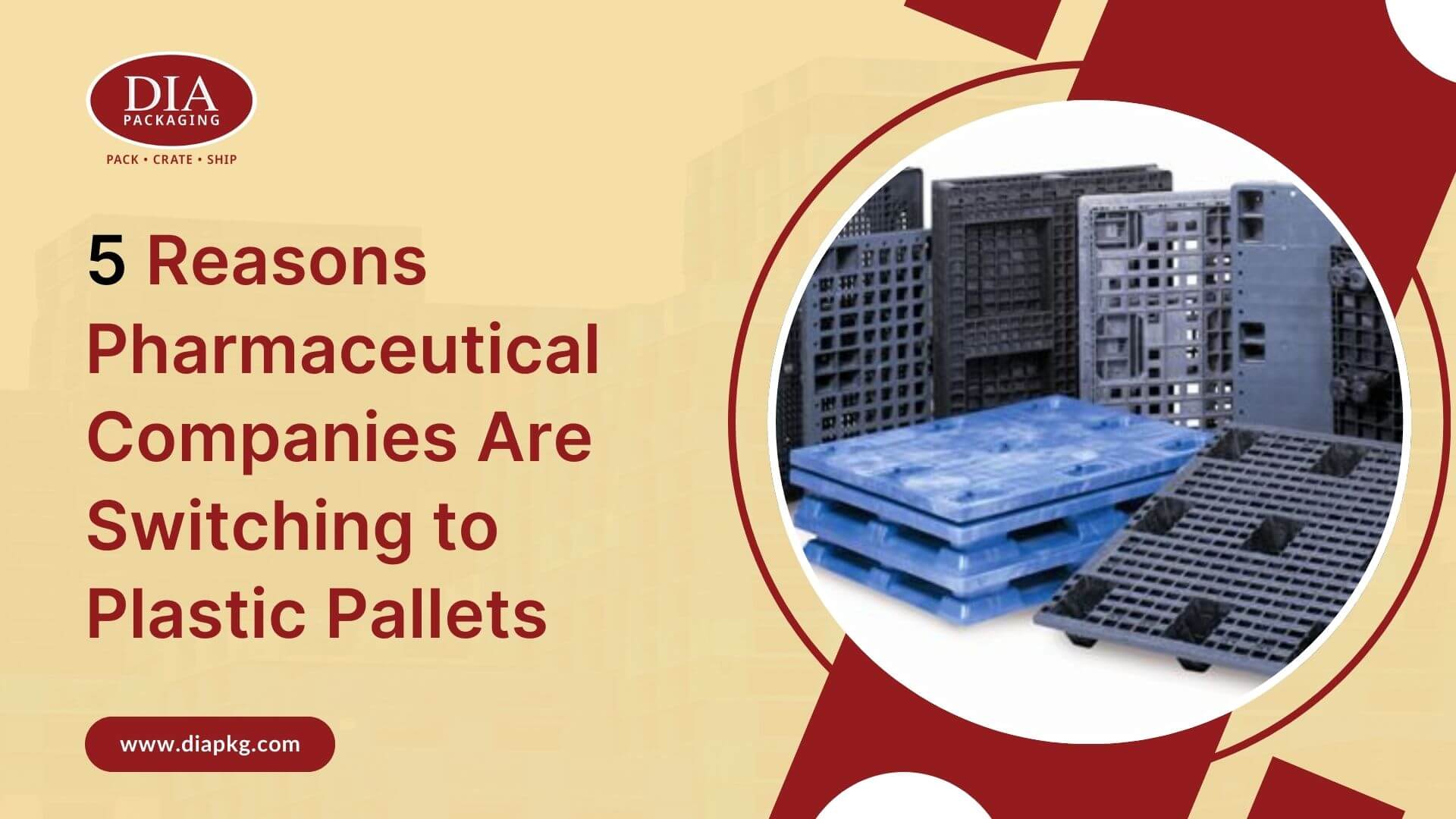
Today, more pharmaceutical companies are switching to plastic pallets. This change is not random. It is driven by clear practical reasons. Let’s take a closer look at five key reasons behind this shift.
1. Better Hygiene and Cleanliness
Cleanliness is one of the most important factors in pharmaceutical operations. Medicines are often manufacture in highly controlled environments where even tiny particles can cause contamination.
Wooden pallets can absorb moisture. They can also trap dirt, dust, bacteria, and even insects in cracks and splinters. Over time, this creates hygiene risks. Cleaning wooden pallets thoroughly is very difficult because the surface is porous and uneven.
Plastic pallets, on the other hand, have smooth and non porous surfaces. They do not absorb moisture. This makes them much easier to clean and disinfect. In many cases, they can be washed with standard cleaning solutions without damage.
Pharmaceutical companies follow strict guidelines from regulatory bodies such as the U.S. Food and Drug Administration and the World Health Organization. These agencies require companies to maintain high hygiene standards during manufacturing, storage, and transport. Plastic pallets help companies meet these requirements more easily.
When cleanliness is critical, having equipment that supports sanitation makes a big difference. That is one of the main reasons plastic pallets are becoming the preferred option.
2. Reduced Risk of Contamination
Contamination is a serious issue in the pharmaceutical world. Products can become contaminated through bacteria, mold, chemicals, or physical debris.
Wooden pallets can shed splinters and wood particles. These small fragments may end up in packaging areas. In sensitive production zones, this is not acceptable. Wood can also harbor mold if exposed to humidity. Mold spores are dangerous in pharmaceutical environments.
Plastic pallets do not splinter. They maintain their structure over time. Since they are molded as one solid piece, they are less likely to break apart or release particles.
Another important factor is chemical resistance. Pharmaceutical products are often transported with temperature control packs, cooling gels, or chemicals used in sanitation. Plastic pallets are more resistant to chemical exposure than wood. This reduces the chance of pallet material reacting with surrounding substances.
For companies handling high value or life saving medicines, minimizing contamination risk is not just about compliance. It is about patient safety. Plastic pallets offer greater peace of mind.
3. Stronger and More Consistent Performance
At first glance, wooden pallets seem strong. They can carry heavy loads and are widely used in many industries. However, wood strength can vary. It depends on the type of wood, moisture content, and how the pallet was constructed.
Over time, wooden pallets can crack, warp, or weaken. Nails may loosen. Boards may split. This creates safety hazards for workers and increases the risk of product damage.
Plastic pallets are manufactured using controlled processes. Each pallet has uniform dimensions and consistent strength. This reliability is very important in automated warehouses.
Many pharmaceutical companies use modern storage systems and automated handling equipment. These systems require pallets with precise dimensions. Even small differences in size can cause operational issues.
Plastic pallets maintain their shape under different environmental conditions. They do not swell in humidity or shrink in dry air. This consistency supports smooth warehouse operations and reduces downtime.
In an industry where delays can affect medicine availability, dependable logistics equipment plays a key role.
4. Long Term Cost Efficiency
Some companies hesitate to switch to plastic pallets because the initial cost is higher than wooden pallets. However, looking only at the purchase price does not tell the full story.
Wooden pallets often have shorter lifespans. They break more easily and may require repairs. Replacing damaged pallets adds to operational costs. There are also hidden costs such as product damage, contamination risks, and time spent on inspections.
Plastic pallets typically last much longer. They are designed to withstand repeated use without significant wear. Since they are resistant to moisture and pests, they require less maintenance.
In pharmaceutical supply chains, products are often transported globally. International shipments using wooden pallets must comply with treatment regulations to prevent the spread of pests. This can involve heat treatment and certification processes, which add complexity and cost.
Plastic pallets do not require such treatments. This simplifies international logistics and reduces administrative burden.
Over time, the longer lifespan and lower maintenance needs of plastic pallets can result in cost savings. For large pharmaceutical companies operating across multiple facilities, these savings can be substantial.
5. Improved Safety for Workers
Worker safety is a priority in pharmaceutical manufacturing and warehousing. Employees handle pallets daily while moving products, loading trucks, and organizing storage areas.
Wooden pallets can have sharp edges, protruding nails, and splinters. Workers may suffer cuts or injuries while handling them. Damaged pallets can also collapse under heavy loads, creating dangerous situations.
Plastic pallets usually have smooth edges and a consistent surface. There are no nails or loose boards. This reduces the risk of hand injuries.
In addition, plastic pallets are often lighter than wooden ones. Lighter pallets are easier to move and reduce physical strain on workers. In busy warehouse environments, this can make a noticeable difference.
By reducing workplace injuries, companies not only protect employees but also avoid medical expenses and lost work time.
Environmental Considerations
Some people assume that wood is always more environmentally friendly than plastic. The reality is more complex.
Many plastic pallets are made from recyclable materials. At the end of their life cycle, they can often be recycled into new pallets or other plastic products.
Because plastic pallets last longer, fewer units are needed over time. This reduces overall material consumption. Also, damaged wooden pallets often end up in landfills if they cannot be repaired.
Pharmaceutical companies are increasingly focused on sustainability. They aim to reduce waste and improve supply chain efficiency. While both materials have environmental impacts, many companies find that durable plastic pallets align better with their long term sustainability goals.
Final Words
The pharmaceutical industry is evolving. Standards are becoming stricter. Supply chains are more global. Automation is more common. Patient safety expectations are higher than ever.
In this changing environment, companies are evaluating every part of their operations, including something as simple as a pallet.
Plastic pallets offer advantages in hygiene, contamination control, durability, cost efficiency, and worker safety. These practical benefits explain why many pharmaceutical companies are making the switch.
The pallet may seem like a small part of the supply chain, but it plays an important role in protecting products that people depend on. When those products are medicines and vaccines, there is no room for compromise.
As the industry continues to grow and modernize, plastic pallets are likely to become even more common in pharmaceutical warehouses and distribution centers around the world.