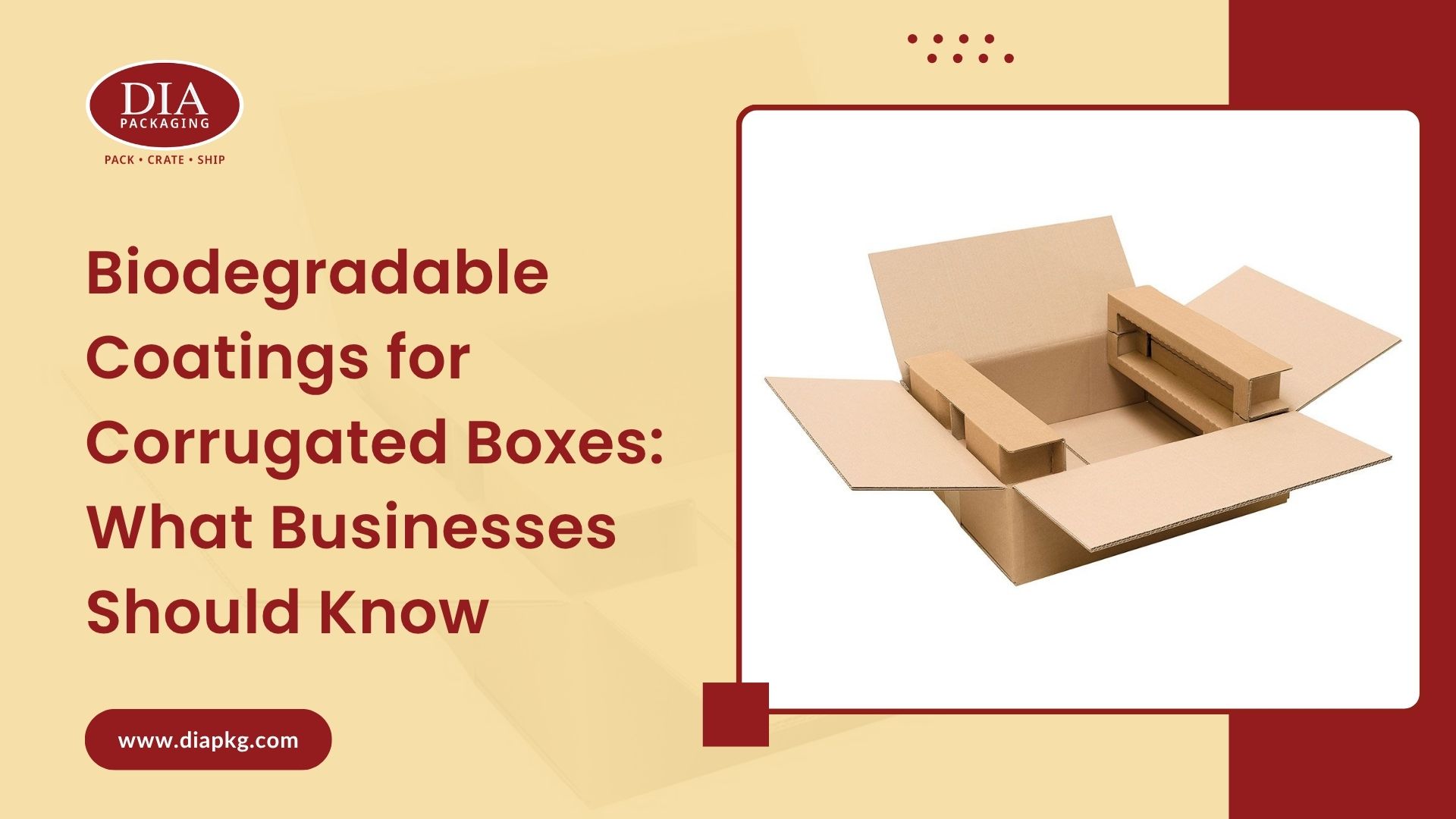
Packaging has become more than just a way to protect products during shipping. Today, customers expect businesses to use packaging that is safe for the environment and easy to recycle. Because of this shift, many companies are now looking at biodegradable coatings for corrugated boxes as a better alternative to traditional packaging materials.
Corrugated boxes are already widely used because they are lightweight, affordable, and recyclable. However, many boxes still use plastic based coatings to resist moisture, grease, or damage during transportation. These coatings can make recycling difficult and increase environmental waste. Biodegradable coatings offer a cleaner and more sustainable option.
Businesses that want to reduce their environmental impact while meeting customer expectations should understand how these coatings work, their benefits, and the challenges involved before making the switch.
What Are Biodegradable Coatings?
Biodegradable coatings are protective layers applied to corrugated boxes that naturally break down over time without leaving harmful waste behind. Unlike traditional plastic coatings, these materials are made from natural or renewable sources such as starch, plant fibers, waxes, proteins, or biodegradable polymers.
These coatings help boxes handle moisture, oils, and wear during storage and transportation. At the same time, they support recycling and composting processes more effectively than conventional coatings.
The goal is simple. Businesses can maintain packaging performance while reducing long term environmental damage.
Why Corrugated Boxes Need Coatings
Corrugated boxes are strong and versatile, but they can easily absorb moisture and lose strength. In industries like food delivery, agriculture, electronics, and retail, packaging often faces rough handling and changing weather conditions.
Coatings help improve:
- Water resistance
- Grease resistance
- Durability
- Print quality
- Shelf life of products
Traditional coatings usually rely on polyethylene or other plastic materials. While effective, they create problems during recycling because plastic layers must often be separated from paper fibers.
Biodegradable coatings solve this issue by offering protection without harming recyclability.
Growing Demand for Sustainable Packaging
Consumers are becoming more aware of environmental issues. Many people now check whether packaging is recyclable or eco friendly before buying products. Governments are also introducing stricter rules on plastic use and waste management.
This change has pushed businesses to rethink packaging choices. Large retailers and global brands are already setting sustainability goals that include reducing plastic use and improving recyclable packaging.
Using biodegradable coatings can help businesses:
- Meet sustainability targets
- Improve brand reputation
- Reduce environmental impact
- Stay ahead of future regulations
- Attract environmentally conscious customers
For many companies, sustainable packaging is no longer optional. It is becoming a business requirement.
Common Types of Biodegradable Coatings
Different biodegradable coatings are available depending on the product and industry needs. Each type has its own strengths and limitations.
Starch Based Coatings
These coatings are made from corn, potato, or other plant starches. They are widely used because they are affordable and biodegradable.
Advantages include:
- Easy to apply
- Renewable source materials
- Good recyclability
However, starch coatings may not provide strong water resistance in highly wet conditions.
Wax Coatings
Natural wax coatings made from soy or beeswax are often used for food packaging and produce boxes.
Benefits include:
- Moisture protection
- Compostable properties
- Food safe applications
Some wax coatings may still affect recycling if applied heavily, so businesses should verify compatibility with recycling systems.
Protein Based Coatings
These coatings use proteins from plants or milk products. They can create strong barriers against oxygen and grease.
They are mainly used in specialized food packaging applications where freshness is important.
Biodegradable Polymer Coatings
Certain biodegradable plastics such as PLA, which comes from corn starch, are used to coat packaging materials.
These coatings provide:
- Better moisture resistance
- Strong durability
- Improved appearance
However, some biodegradable polymers require industrial composting conditions to break down properly.
Benefits for Businesses
Switching to biodegradable coatings offers several business advantages beyond environmental benefits.
Improved Brand Image
Customers notice packaging choices. Sustainable packaging can create a positive impression and show that a business cares about environmental responsibility.
This can help build customer trust and loyalty over time.
Easier Recycling
Many biodegradable coatings are designed to work with existing paper recycling systems. This reduces waste and improves the overall recyclability of corrugated packaging.
Businesses can also simplify disposal instructions for customers.
Regulatory Compliance
Governments around the world are introducing restrictions on single use plastics and non recyclable materials. Businesses that adopt sustainable packaging early may avoid future compliance issues.
Market Advantage
Eco friendly packaging can help products stand out in crowded markets. Many retailers also prefer suppliers that support sustainability goals.
This can create new partnership opportunities and improve competitiveness.
Challenges Businesses Should Consider
While biodegradable coatings offer many benefits, businesses should also understand the possible challenges before making changes.
Higher Initial Costs
Biodegradable materials can sometimes cost more than traditional plastic coatings. Production processes may also require adjustments.
However, costs are gradually decreasing as demand increases and technology improves.
Performance Limitations
Not all biodegradable coatings perform equally under extreme conditions. Some may struggle with heavy moisture exposure or long storage periods.
Businesses should test packaging carefully before large scale adoption.
Composting and Disposal Confusion
Some biodegradable coatings need industrial composting facilities to break down properly. Customers may incorrectly assume all biodegradable packaging can safely decompose anywhere.
Clear labeling and customer education are important.
Supply Chain Availability
Depending on the region, certain coating materials may not be widely available. Businesses may need to work closely with packaging suppliers to ensure reliable sourcing.
Industries That Benefit Most
Several industries are already adopting biodegradable coated corrugated boxes because of their packaging needs and customer expectations.
Food and Beverage
Restaurants, grocery stores, and food delivery services use coated boxes for moisture and grease resistance. Sustainable coatings help maintain food safety while reducing waste.
Agriculture
Fruit and vegetable packaging often faces humid environments. Biodegradable coatings can protect products during shipping without creating additional plastic waste.
E Commerce
Online shopping continues to grow rapidly. Businesses shipping products directly to customers are looking for eco friendly packaging that reflects their brand values.
Consumer Goods
Many consumer product companies are redesigning packaging to improve sustainability and meet retailer requirements.
How Businesses Can Start the Transition
Switching to biodegradable coatings does not have to happen all at once. Businesses can begin with small steps and scale gradually.
Review Current Packaging
Start by identifying which packaging materials create the most environmental impact. Focus on products where biodegradable coatings can provide the biggest improvement.
Work With Packaging Suppliers
Packaging suppliers can help recommend suitable coating options based on product requirements, shipping conditions, and budget.
Testing different materials before full adoption is important.
Conduct Performance Trials
Businesses should test coated boxes for:
- Moisture resistance
- Durability
- Stacking strength
- Print quality
- Transportation performance
This helps avoid packaging failures after implementation.
Educate Customers
Customers should understand how to recycle or dispose of the packaging correctly. Clear instructions on boxes can improve environmental outcomes.
Future of Biodegradable Packaging
The packaging industry is changing quickly. Research into sustainable materials continues to grow as businesses and governments push for greener solutions.
Future improvements may include:
- Better water resistant biodegradable coatings
- Lower production costs
- Faster composting technologies
- Improved recycling compatibility
- More plant based material innovations
As technology improves, biodegradable coatings are expected to become more effective and widely used across industries.
Businesses that start exploring sustainable packaging now may be better prepared for future market demands and environmental regulations.
Final Thoughts
Biodegradable coatings for corrugated boxes offer businesses a practical way to improve sustainability without giving up packaging performance. These coatings help reduce plastic waste, support recycling efforts, and meet growing customer expectations for environmentally responsible packaging.
Although there are still challenges related to cost, performance, and disposal systems, the market is moving steadily toward more sustainable solutions. Companies that understand these changes early can strengthen their brand image, improve compliance, and stay competitive in an increasingly eco conscious market.
For businesses that rely heavily on packaging, biodegradable coatings are not just a trend. They are becoming part of the future of responsible packaging practices.