When it comes to shipping, storing, or handling products, the packaging you use plays a critical role. For heavy-duty applications, corrugated boxes are often the go-to solution because of their strength, versatility, and cost-effectiveness. But not all corrugated boxes are the same. If you’re dealing with heavy items, choosing the right strength of corrugated box is essential to ensure your products arrive at their destination safely.
In this article, we’ll break down how to choose the right corrugated box strength for heavy-duty applications. By the end, you’ll have a solid understanding of the factors to consider, the different types of corrugated boxes available, and how to make the best choice for your specific needs.
What is a Corrugated Box?
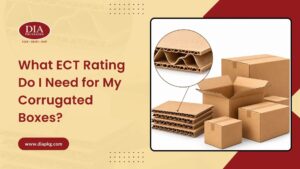
Before diving into strength considerations, let’s quickly define what a corrugated box is. A corrugated box is made from several layers of paperboard. The outer layers, which are flat, sandwich a wavy, fluted layer in the middle. This structure gives the box strength and durability, allowing it to handle significant weight and protect the contents during transportation.
The strength of a corrugated box depends on factors like the type of flute used, the quality of the materials, and the construction of the box.
Read comprehensive blog for Corrugated box vs Cardboard
Why Does Strength Matter for Heavy Duty Applications?
When you’re dealing with heavy-duty applications, the packaging needs to withstand both the weight of the items inside and the conditions it will face during transit or storage. Heavy-duty items like machinery parts, electronics, or large appliances require boxes that can:
- Support weight without collapsing: A weak box will crumple under pressure, leading to damaged goods.
- Withstand stacking: Boxes will often be assemble on top of each other during shipping or storage, so they must be strong enough to handle the weight of boxes placed on top.
- Resist punctures and tears: For sensitive or delicate items, the box needs to be durable enough to prevent any accidental tears or punctures that could damage the contents.
- Protect from external forces: Weather, rough handling, or even minor impacts can damage weak boxes. Stronger corrugated boxes help ensure the contents are protected.
Key Factors to Consider When Choosing Corrugated Box Strength
Several factors determine the strength of a corrugated box. Understanding these will help you choose the right box for your heavy-duty application.
1. The Flute Type
Flutes are the wavy layers of paper that make up the core of the box. The size and shape of the flute affect the box’s strength and durability. There are several types of flutes commonly usage in corrugated packaging:
- A-Flute: This is one of the thickest flute types, offering excellent cushioning and stacking strength. It’s often used for shipping heavier items that need more protection.
- B-Flute: Slightly thinner than A-flute, B-flute is great for providing a balance of strength and smoothness for printing. It’s commonly used for medium-weight products.
- C-Flute: This is a middle ground, offering a good combination of strength and cushioning. It’s used for a wide range of packaging applications and is common for items that aren’t extremely heavy but still need adequate protection.
- E-Flute: With a smaller, more tightly packed wave, E-flute is often used for lightweight but fragile items. While not as strong as A or C flutes, it provides sufficient protection for less demanding applications.
- F-Flute: This is even thinner than E-flute and is typically used for very light-duty applications, where strength isn’t as critical.
For heavy duty applications, A-flute and C-flute are usually the best choices. They provide strong support and cushion heavy items well.
2. The Material Grade
Corrugated boxes come in different grades, typically referred to as single-wall, double-wall, or triple-wall boxes. The material grade you choose depends on the weight and fragility of your products.
- Single-Wall Boxes: These have one layer of fluted paper between two sheets of linerboard. They are best for lighter products or products that don’t require as much protection.
- Double-Wall Boxes: These have two layers of fluted paper, making them much stronger and more durable. Double-wall boxes are ideal for medium to heavy-duty applications, offering more cushioning and resistance to impact and compression.
- Triple-Wall Boxes: As the name suggests, these boxes have three layers of fluted paper. They provide the highest level of protection and are typically used for very heavy or large items, such as industrial equipment or machinery.
When dealing with heavy-duty applications, double-wall or triple-wall boxes are generally the best choices. These boxes can withstand the weight and pressure that comes with shipping large, heavy items.
3. Box Size and Shape
The size and shape of the box also affect its strength. If the box is too large for the product inside, the contents may shift during transportation, causing damage. On the other hand, if the box is too small, it could compress the product, leading to deformation or breakage.
To ensure the box is the right size for your heavy-duty product, aim for a snug fit. The box should be large enough to hold the product comfortably but small enough to prevent excessive movement. Additionally, if your product is irregularly shaped, consider using custom-designed boxes or inserts to provide extra stability.
4. Bursting Strength and Edge Crush Test (ECT)
Two important tests can help determine the strength of a corrugated box: bursting strength and edge crush test (ECT).
- Bursting Strength measures the pressure required to puncture the box. A higher bursting strength indicates a stronger box that can withstand more force before breaking.
- Edge Crush Test (ECT) measures the box’s resistance to crushing. This test simulates the weight of boxes stacked on top of one another and evaluates the box’s ability to hold up under pressure.
For heavy-duty applications, look for boxes with a high bursting strength and ECT rating. A common standard for heavy-duty boxes is a minimum ECT of 44, which is considered suitable for medium to heavy-duty shipping.
5. Type of Product Being Shipped
Finally, consider the type of product being shipped. Is it fragile? Heavy? Oddly shaped? The nature of your product will dictate the level of protection the box needs to provide.
- Fragile items: If your heavy-duty products are delicate (e.g., glass or electronics), you may want to add additional cushioning, such as bubble wrap or foam inserts, inside the box.
- Heavy, dense items: Products that are heavy and compact (e.g., industrial tools) will require a sturdy box with higher strength ratings, like double or triple-wall corrugated boxes.
- Irregularly shaped items: If your products don’t fit neatly into a standard box, custom-sized boxes or boxes with dividers may be necessary to ensure proper protection.
Conclusion
Choosing the right corrugated box strength for heavy-duty applications requires careful consideration of several factors, including flute type, material grade, box size, and the strength ratings of bursting strength and ECT. For most heavy-duty applications, double-wall or triple-wall boxes with A-flute or C-flute construction offer the best balance of strength and cushioning.
By understanding the factors that affect box strength and selecting the right packaging for your specific needs, you can ensure that your products will be safe during transit, reducing the risk of damage and ensuring customer satisfaction. Whether you’re shipping machinery, electronics, or other heavy items, choosing the right corrugated box strength is essential for protecting your goods and optimizing the shipping process.