In today’s business world, companies are paying closer attention to sustainability. Customers, investors, and regulators increasingly expect businesses to reduce waste and use resources responsibly.
One area that is often overlooked is the pallet. While pallets may seem like a small part of the supply chain, they play an important role in transporting and storing goods across industries.
Traditional wooden pallets have been the standard choice for decades. However, they come with challenges such as short lifespan, damage from moisture, pest issues, and disposal concerns.
As businesses look for more sustainable alternatives, recyclable composite pallets are becoming a practical solution.
Composite pallets offer durability, reusability, and environmental benefits that make them an attractive option for business to business operations. They help companies improve efficiency while supporting their sustainability goals.
What Are Recyclable Composite Pallets?
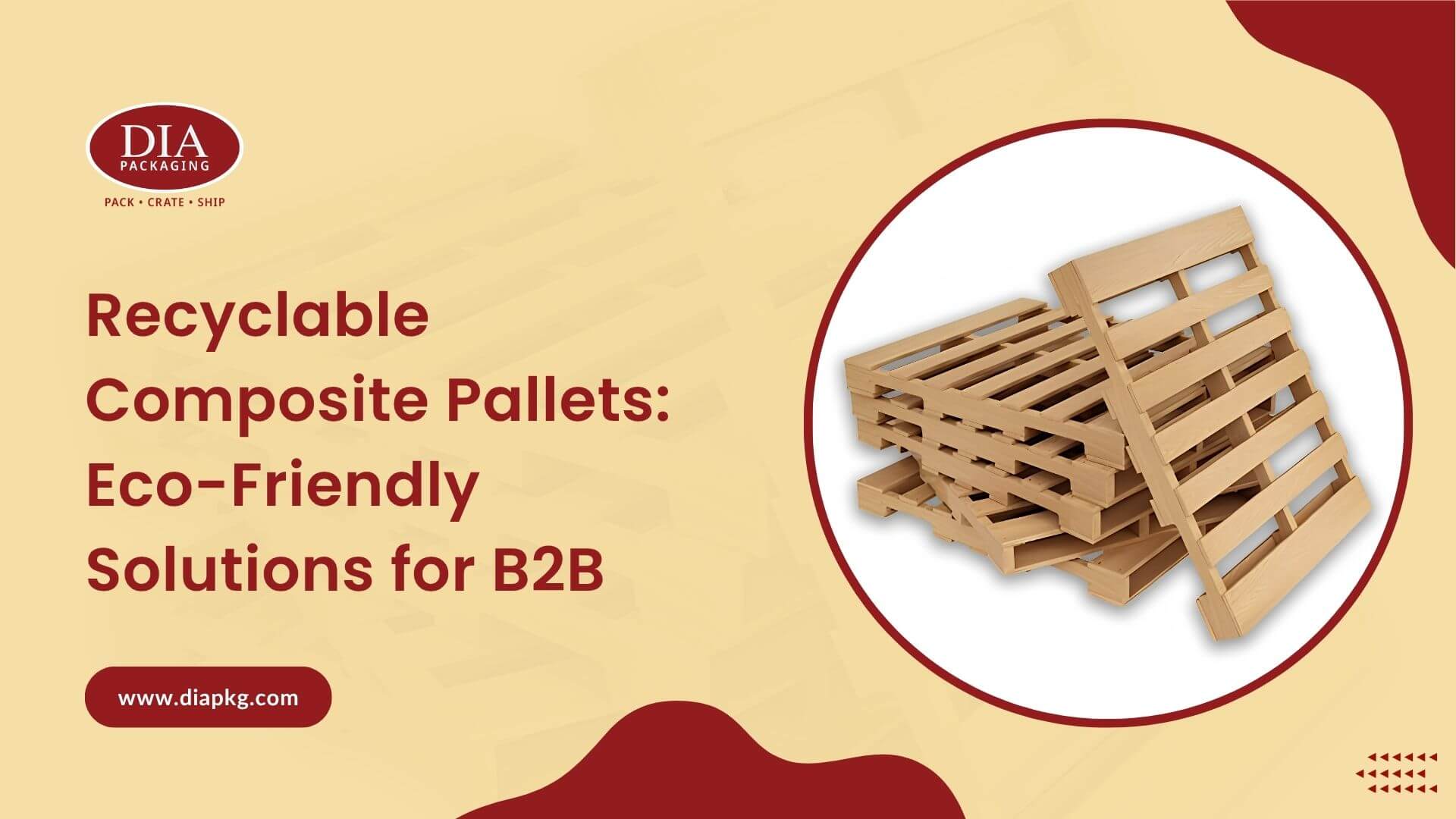
Composite pallets are made from a combination of materials, often including recycled plastics, wood fibers, agricultural waste, or other recycled resources. These materials are processed and molded into strong pallet structures that can handle heavy loads and repeated use.
Unlike traditional wooden pallets, composite pallets are designed to be more resistant to environmental conditions. They do not easily absorb moisture, splinter, or attract pests. Most importantly, many composite pallets can be recycled at the end of their service life, helping reduce waste and support a circular economy.
Because they are manufactured using recycled materials and can often be recycled again, these pallets provide a more sustainable option for businesses seeking environmentally responsible logistics solutions.
Why Sustainability Matters in B2B Supply Chains
Businesses today are under growing pressure to reduce their environmental impact. Supply chains are a major source of waste and resource consumption, making them a key area for improvement.
Pallets are used in warehouses, factories, distribution centers, and transportation networks every day. A company may use thousands or even millions of pallets annually. Choosing a more sustainable pallet option can significantly reduce waste generation and resource consumption over time.
Recyclable composite pallets align with sustainability initiatives by reducing the demand for virgin materials and minimizing landfill waste. They also support environmental reporting efforts that many organizations now include as part of their corporate responsibility programs.
For companies seeking practical ways to improve sustainability without disrupting operations, composite pallets offer a simple and effective solution.
Advantages of Recyclable Composite Pallets
Longer Service Life
One of the biggest benefits of composite pallets is durability. Wooden pallets can crack, break, or lose structural integrity after repeated use. Composite pallets are designed to withstand harsh handling conditions and repeated transportation cycles.
A longer service life means fewer replacements are needed. This reduces costs and lowers the amount of waste generated over time.
Resistance to Moisture
Wood naturally absorbs moisture, which can lead to swelling, mold growth, and structural damage. In industries where products are stored in humid environments or transported across different climates, this can become a serious issue.
Composite pallets resist moisture absorption, helping maintain their shape and strength. This makes them suitable for both indoor and outdoor applications.
Improved Hygiene
Many industries require strict cleanliness standards. Food processing, pharmaceuticals, healthcare, and consumer goods companies often need pallets that are easy to clean and sanitize.
Composite pallets have smooth surfaces that are easier to wash than wood. They do not splinter or trap contaminants as easily, helping businesses maintain cleaner supply chain operations.
Reduced Pest Concerns
Wooden pallets can attract insects and other pests. This can create problems in international shipping, where regulations often require wood treatment to prevent pest infestation.
Composite pallets eliminate many of these concerns because they do not provide the same environment for pests. This can simplify logistics and reduce compliance challenges.
Consistent Quality
Since composite pallets are manufactured through controlled production processes, they offer consistent dimensions and performance characteristics. This consistency can improve automation efficiency in warehouses and distribution centers.
Businesses using automated handling systems often benefit from the uniform design of composite pallets because it reduces operational disruptions caused by damaged or irregular pallets.
Environmental Benefits of Composite Pallets
Use of Recycled Materials
Many composite pallets are manufactured using recycled plastics and recovered materials. This helps reduce the amount of waste sent to landfills while lowering demand for new raw materials.
By supporting recycled material markets, businesses contribute to resource conservation and waste reduction efforts.
Reduced Deforestation Pressure
Traditional wooden pallets require timber resources. Although wood is renewable, large scale pallet production still consumes significant quantities of lumber.
Composite pallets help reduce dependence on newly harvested wood by incorporating recycled and alternative materials. This can contribute to more responsible resource management.
Lower Waste Generation
Because composite pallets typically last longer than wooden alternatives, fewer pallets are discarded over time. This extended lifespan helps reduce overall waste volumes across supply chains.
At the end of their useful life, recyclable composite pallets can often be processed into new products, further reducing landfill contributions.
Support for Circular Economy Goals
A circular economy focuses on keeping materials in use for as long as possible. Recyclable composite pallets fit well within this model because they can be manufactured from recycled content and recycled again after use.
This approach helps businesses move away from traditional take use dispose systems and toward more sustainable material management practices.
Industries Benefiting from Composite Pallets
Many industries are adopting recyclable composite pallets due to their performance and sustainability advantages.
Food and Beverage
Food manufacturers and distributors value composite pallets for their hygiene benefits and resistance to moisture. Easy cleaning and reduced contamination risks make them a practical choice.
Pharmaceutical Industry
Pharmaceutical companies often require clean and durable handling equipment. Composite pallets support strict quality and cleanliness standards while providing reliable performance.
Retail and Consumer Goods
Retail supply chains involve frequent product movement and large pallet volumes. Composite pallets help improve durability and reduce replacement costs.
Manufacturing
Manufacturers benefit from pallets that can withstand heavy loads and repeated use. Composite pallets offer strength and consistency for demanding industrial environments.
Export and International Shipping
Businesses involved in global trade appreciate the reduced pest concerns and regulatory advantages associated with non wood pallet options.
Cost Considerations for Businesses
Some companies hesitate to switch to composite pallets because the initial purchase price may be higher than wooden pallets. However, looking only at upfront cost does not provide a complete picture.
Composite pallets often deliver savings through:
- Longer lifespan
- Reduced maintenance
- Lower replacement frequency
- Improved operational efficiency
- Reduced waste disposal costs
When businesses evaluate total cost of ownership, composite pallets can offer strong long term value. Their durability and recyclability often offset the higher initial investment over time.
Choosing the Right Composite Pallet
Selecting the best pallet depends on several factors. Businesses should consider:
- Load capacity requirements
- Warehouse storage conditions
- Transportation needs
- Industry regulations
- Recycling options
- Automation compatibility
Working with experienced pallet suppliers can help companies identify solutions that match their operational needs and sustainability objectives.
It is also important to verify whether the pallet manufacturer offers recycling programs or end of life recovery options. This helps maximize the environmental benefits of the investment.
The Future of Sustainable Pallet Solutions
As sustainability becomes a larger priority across industries, demand for recyclable composite pallets is expected to grow. Advances in material technology are making these pallets stronger, lighter, and more cost effective.
Many organizations are actively seeking ways to reduce waste and improve environmental performance without compromising operational efficiency. Composite pallets provide a practical path toward achieving both goals.
Governments and industry groups are also encouraging circular economy practices, which further supports the adoption of recyclable materials in logistics and supply chain operations.
Businesses that invest in sustainable pallet solutions today may gain long term advantages through improved efficiency, reduced waste, and stronger environmental credentials.
Conclusion
Recyclable composite pallets represent a smart and sustainable choice for modern B2B operations. Their durability, moisture resistance, hygiene benefits, and recyclability make them a valuable alternative to traditional wooden pallets.
By incorporating recycled materials and supporting circular economy principles, these pallets help businesses reduce waste and use resources more responsibly. While the initial investment may be higher, the long term benefits often outweigh the upfront costs.
As companies continue to prioritize sustainability and operational efficiency, recyclable composite pallets are likely to play an increasingly important role in supply chains around the world. For businesses seeking practical eco friendly solutions, they offer a reliable and future focused option.