Supply chains are becoming more complex every year. Businesses need faster tracking, better inventory control, and fewer shipping errors. Traditional wooden crates still play a major role in logistics, especially for transporting heavy or fragile goods. However, many companies now want smarter ways to monitor shipments in real time.
This is where RFID technology comes in.
By combining RFID with wooden crates, businesses can improve visibility across the supply chain. These smart crates help companies track products, reduce losses, and improve warehouse efficiency. They also support better decision-making through accurate data collection.
In this article, we will explore how smart wooden crates work, why RFID matters, and how this technology is changing modern logistics.
What Are Smart Wooden Crates?
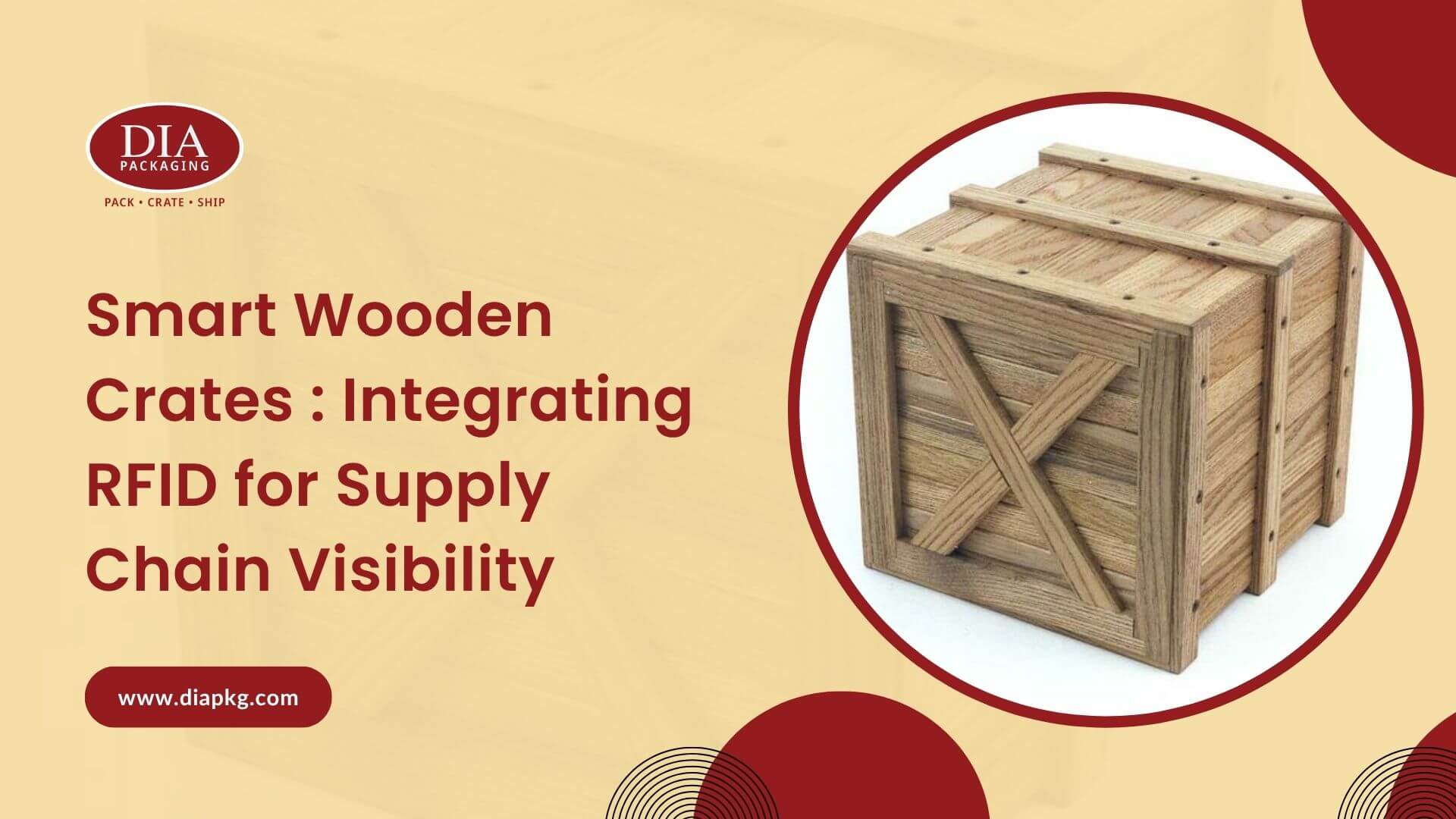
Smart wooden crates are standard wooden shipping containers equipped with RFID technology. RFID stands for Radio Frequency Identification. It uses radio waves to identify and track objects automatically.
Each crate contains an RFID tag that stores important information. RFID readers placed in warehouses, trucks, or loading docks can scan these tags without direct contact.
Unlike traditional barcode systems, RFID does not require line-of-sight scanning. This makes tracking faster and more reliable.
These crates are commonly used in industries such as:
- Manufacturing
- Automotive
- Pharmaceuticals
- Agriculture
- Aerospace
- Food and beverage
- Retail logistics
The combination of durable wooden packaging and automated tracking creates a smarter logistics solution.
How RFID Technology Works
RFID systems usually include three main components:
RFID Tags
These small electronic devices are attached to the wooden crate. They contain a microchip and antenna that store data.
Tags may include information such as:
- Product details
- Shipment origin
- Destination
- Batch numbers
- Inventory status
- Temperature history
RFID Readers
Readers send radio signals to detect nearby RFID tags. They collect the stored data and transfer it to software systems.
Readers can be fixed or mobile. Fixed readers are often installed at warehouse entrances or loading docks. Mobile readers may be handheld devices used by workers.
Software System
The software collects and organizes the RFID data. Managers can view shipment movement, stock levels, and delivery updates in real time.
This improves visibility across the entire supply chain.
Why Wooden Crates Are Ideal for RFID Integration
Wooden crates remain popular because they are durable, reusable, and cost-effective. They also work well with RFID systems for several reasons.
Strong Structural Support
Wooden crates provide solid surfaces for mounting RFID tags securely. This helps protect the tags during transportation.
Reduced Signal Interference
Unlike metal containers, wood does not heavily interfere with radio signals. RFID readers can scan wooden crates more effectively.
Long-Term Reusability
Reusable wooden crates are ideal for long-term RFID investments. Companies can track the same crates across multiple shipments over many years.
Customization Options
Manufacturers can design wooden crates with built-in RFID compartments or protective tag housing for harsh environments.
Benefits of RFID-Enabled Wooden Crates
Businesses are adopting smart wooden crates because they solve many common logistics problems.
Better Supply Chain Visibility
RFID technology allows companies to see where shipments are at any moment.
Real-time tracking helps reduce uncertainty and improves communication between suppliers, warehouses, and customers.
Managers can quickly identify delays or missing shipments before they become larger issues.
Faster Inventory Management
Manual inventory counting takes time and often leads to mistakes.
RFID systems automate inventory tracking. Workers can scan multiple crates instantly without opening shipments.
This saves labor costs and improves accuracy.
Reduced Product Loss
Lost shipments create major financial problems for businesses.
Smart crates help companies track products throughout the supply chain. If a crate goes missing, managers can identify the last scanned location.
This reduces theft, misplacement, and shipping errors.
Improved Warehouse Efficiency
Warehouse teams spend less time searching for products.
RFID systems can quickly locate crates inside large storage facilities. This speeds up picking, packing, and shipping operations.
As a result, businesses improve productivity and reduce operational delays.
Better Data Collection
RFID-enabled crates generate valuable logistics data.
Companies can analyze:
- Delivery times
- Shipment routes
- Warehouse movement
- Handling conditions
- Inventory turnover
This data helps businesses improve planning and optimize operations.
Enhanced Product Safety
Some RFID systems include environmental sensors.
These sensors can monitor:
- Temperature
- Humidity
- Shock exposure
This is especially useful for pharmaceuticals, electronics, and food products that require careful handling.
Industries Using Smart Wooden Crates
Many industries are already benefiting from RFID-integrated wooden crates.
Automotive Industry
Automotive manufacturers transport expensive components across multiple facilities.
RFID-enabled crates help track engine parts, tools, and assembly components with greater accuracy.
This reduces production delays caused by missing inventory.
Pharmaceutical Industry
Drug manufacturers need strict tracking and temperature control.
Smart crates help monitor sensitive medications during transportation and storage.
RFID systems also improve compliance with safety regulations.
Food and Beverage Industry
Perishable products require careful monitoring.
RFID-enabled wooden crates can track freshness, shipping times, and storage conditions.
This helps reduce waste and maintain food quality.
Aerospace Industry
Aircraft components are expensive and highly regulated.
RFID tracking improves traceability and helps aerospace companies maintain detailed shipment records.
Retail and E-Commerce
Retailers use smart crates to improve inventory management and speed up deliveries.
RFID tracking helps businesses maintain accurate stock levels and reduce fulfillment errors.
Challenges of RFID Integration
While RFID technology offers many benefits, businesses may face some challenges during implementation.
Initial Investment Costs
RFID systems require spending on:
- Tags
- Readers
- Software
- Infrastructure upgrades
Small businesses may find the upfront cost difficult at first.
However, many companies recover these costs through long-term efficiency improvements.
System Integration
Businesses often need to connect RFID systems with existing warehouse or enterprise software.
This process can take time and require technical support.
Environmental Conditions
Extreme temperatures, moisture, or rough handling can damage RFID components if they are not properly protected.
Companies must choose durable tags designed for industrial environments.
Employee Training
Workers need training to use RFID systems correctly.
Proper implementation is important for maximizing the benefits of smart crate technology.
Best Practices for Implementing RFID Smart Crates
Choose the Right RFID Tags
Different environments require different tag types.
Businesses should select tags based on:
- Shipping conditions
- Reading distance
- Durability requirements
- Data storage needs
Test Before Full Deployment
Pilot programs help businesses identify issues early.
Testing RFID systems in a small section of the supply chain reduces risk before larger implementation.
Use Durable Tag Protection
Protective casings can prevent RFID damage during shipping and handling.
This is especially important for international transportation or heavy industrial use.
Integrate with Existing Systems
RFID systems work best when connected with warehouse management and inventory software.
Integration improves automation and data accuracy.
Monitor Performance Regularly
Businesses should regularly review RFID performance metrics.
This helps identify inefficiencies and improve operational processes over time.
The Future of Smart Wooden Crates
RFID technology continues to evolve. Smart wooden crates are expected to become even more advanced in the coming years.
Future developments may include:
- GPS-enabled tracking
- IoT connectivity
- AI-driven logistics analysis
- Blockchain shipment verification
- Real-time environmental monitoring
These innovations could create fully connected supply chains with greater transparency and automation.
Sustainability will also play an important role. Many companies are already using reusable wooden crates to reduce packaging waste. RFID tracking can improve reuse cycles and support environmentally responsible logistics practices.
As supply chains become more data-driven, smart packaging solutions will continue gaining importance.
Final Thoughts
Smart wooden crates with RFID integration are transforming modern logistics. They provide real-time tracking, better inventory control, and improved operational efficiency.
Businesses across industries are using this technology to reduce losses, improve visibility, and strengthen supply chain performance.
Although implementation requires investment and planning, the long-term benefits can be significant. Companies that adopt RFID-enabled wooden crates today may gain a strong competitive advantage in the future.
As logistics operations continue to evolve, smart packaging solutions will become an essential part of efficient and transparent supply chains.