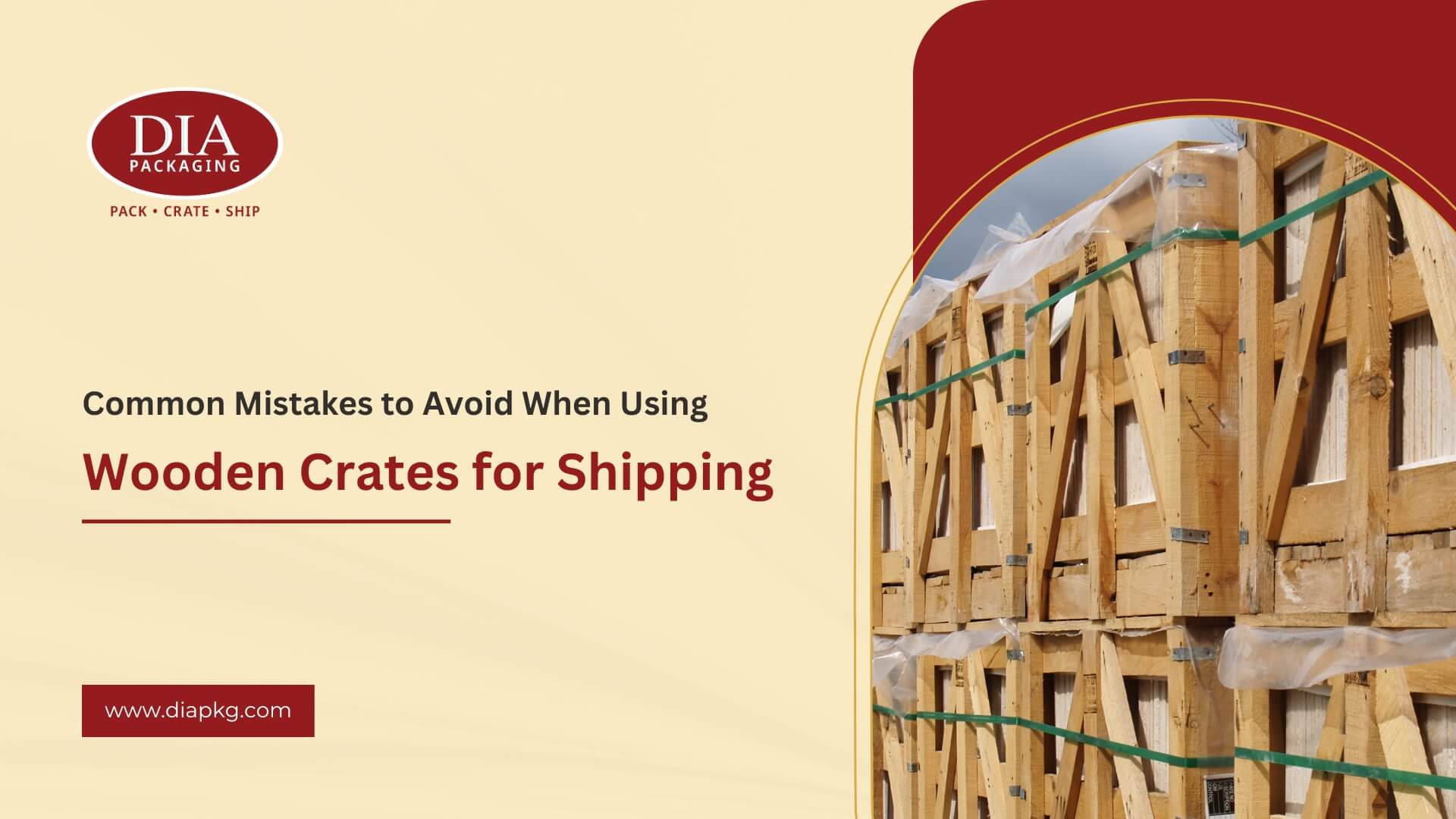
Wooden crates have been used for decades as one of the most reliable ways to move goods from one place to another. They are sturdy, reusable, and can protect items during long trips. Businesses and individuals alike trust them for shipping both locally and internationally. Yet, even though wooden crates seem simple, mistakes in using them can lead to broken goods, added costs, or shipping delays.
If you are preparing to ship items in wooden crates, it helps to know the most common mistakes people make and how to avoid them. This guide will walk you through those mistakes in simple terms so you can ship with confidence and save money.
Mistake 1: Choosing the Wrong Size of Crate
One of the biggest errors people make is selecting a crate that is either too large or too small for the item being shipped. A crate that is too large may leave too much empty space, causing the item to move around during transport. On the other hand, a crate that is too small may not provide enough cushioning space.
How to avoid this:
- Measure your item carefully before choosing a crate.
- Leave enough room to add padding materials such as foam, bubble wrap, or blankets.
- Try to strike a balance. The crate should fit the item snugly but not squeeze it.
Mistake 2: Ignoring the Weight of the Item
Crates come in different grades of strength, and not every crate can handle heavy loads. A common mistake is assuming all wooden crates are equally strong. Placing a very heavy object in a crate that is not design to handle it can cause the crate to break during handling or transport.
How to avoid this:
- Check the weight capacity of the crate before using it.
- Reinforce the crate if you plan to ship something very heavy. Adding extra boards or using a stronger wood can help.
- If possible, consult with the supplier to match the crate to your product’s weight.
Mistake 3: Poor Packing Inside the Crate
Even if you choose the right size, the way you pack the inside matters a lot. Many people simply place the item in the crate without adding proper support or cushioning. During shipping, trucks, ships, or planes can shake the crate. Without padding, items may hit against the crate walls or each other, leading to damage.
How to avoid this:
- Always use packing material such as foam, airbags, cardboard dividers, or bubble wrap.
- Make sure fragile items are cushioned on all sides.
- Fill empty gaps so the item does not shift inside the crate.
Mistake 4: Not Securing the Crate Properly
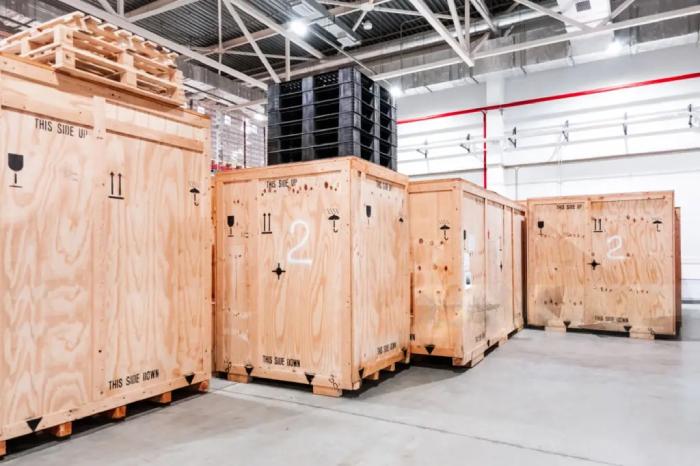
A crate that is not nailed or screwed shut properly can open up during transport. Some people only partially close the crate, thinking it is good enough. Others may use weak nails or fasteners that bend or pop out under stress. This can cause serious damage or loss of goods.
How to avoid this:
- Use strong nails, screws, or metal fasteners to secure the crate.
- Check that all corners are tight and reinforced.
- For valuable items, consider using metal strapping around the crate for extra security.
Mistake 5: Forgetting to Treat the Wood for International Shipping
If you are shipping across borders, untreated wood can cause problems at customs. Many countries require wooden crates to be heat treated or fumigated to prevent the spread of pests and diseases. Using untreated wood may lead to delays, fines, or even the destruction of your shipment.
How to avoid this:
- Ask your supplier for crates that meet international shipping standards.
- Look for the ISPM-15 stamp, which proves the crate has been properly treated.
- Always check the regulations of the country you are shipping to.
Mistake 6: Poor Labeling of the Crate
Another common mistake is not labeling the crate clearly. Shipping companies handle thousands of packages daily. A crate without proper labels may get lost, misplaced, or mishandled.
How to avoid this:
- Use large, clear labels that include the address, contact information, and handling instructions.
- Mark fragile items with “Fragile” signs on more than one side.
- For heavy crates, mark “This Side Up” or “Handle with Care” to guide handlers.
Mistake 7: Ignoring Moisture Protection
Wood is strong, but it is not waterproof. Moisture from rain, humidity, or shipping near the ocean can damage the crate or the goods inside. People often forget to protect against water, leading to warped wood and damaged items.
How to avoid this:
- Wrap your items in plastic or use waterproof liners inside the crate.
- Seal the crate with protective coatings if you expect it to face wet conditions.
- Store the crate in a dry place before shipping.
Mistake 8: Overlooking Safety for Handlers
Crates are not only about protecting goods but also about the people moving them. Sometimes crates are built with rough edges, splinters, or loose boards. This can injure workers and cause your shipment to be delayed.
How to avoid this:
- Smooth out rough edges and hammer down any loose nails.
- Provide handholds or forklift slots if the crate is very heavy.
- Follow safety guidelines to make sure the crate can be handled without risk.
Mistake 9: Skipping Insurance
Many shippers try to save money by skipping insurance, thinking the crate alone will provide enough protection. While wooden crates are reliable, accidents can still happen. Losing or damaging a shipment without insurance can cost far more than the premium.
How to avoid this:
- Always check insurance options for valuable shipments.
- Compare different plans and pick one that covers damage, theft, and delays.
- Think of insurance as a backup plan, not an extra cost.
Mistake 10: Reusing Crates Without Inspection
Wooden crates are often re-use because they are durable. While this is a good practice, some people forget to inspect reused crates. A crate that looks fine at first glance may have hidden cracks, loose joints, or weak spots. Shipping with a damaged crate can put the goods at risk.
How to avoid this:
- Always check reused crates for cracks, broken boards, or signs of pests.
- Repair or reinforce them before loading items.
- When in doubt, replace the crate with a new one.
Final Thoughts
Wooden crates remain one of the most trusted solutions for shipping. They are strong, reusable, and adaptable to a wide range of products. But using them incorrectly can cause big problems, from damaged goods to costly delays.
The most common mistakes involve the wrong size, poor packing, weak closures, ignoring regulations, and forgetting small but important details like labeling and moisture protection. By paying attention to these areas, you can avoid most issues and ensure your goods reach their destination safely.
Shipping may seem complicated, but with a little care, wooden crates can provide a safe and reliable way to move your items anywhere in the world.