Wooden crates play an important role in moving and storing goods. They are used to carry machines, tools, furniture, electronic items, and many other products from one place to another. These crates help protect goods from damage during transport and storage. However, as shipping needs change, traditional wooden crates may not always meet every requirement. Businesses now need packaging that is strong, easy to handle, cost-effective, and better for the environment.
This is where engineered wood can make a difference. Engineered wood is made by joining wood pieces, fibres, or thin layers together to create a useful and strong material. Plywood and medium-density fibreboard, also called MDF, are common examples of engineered wood.
When used in crate design, engineered wood can help improve strength, reduce material waste, and make better use of available resources. It can also help businesses prepare for changing transport needs and packaging rules. Understanding its role can help manufacturers choose the right materials for crates that remain useful for years to come.
What Is Engineered Wood?
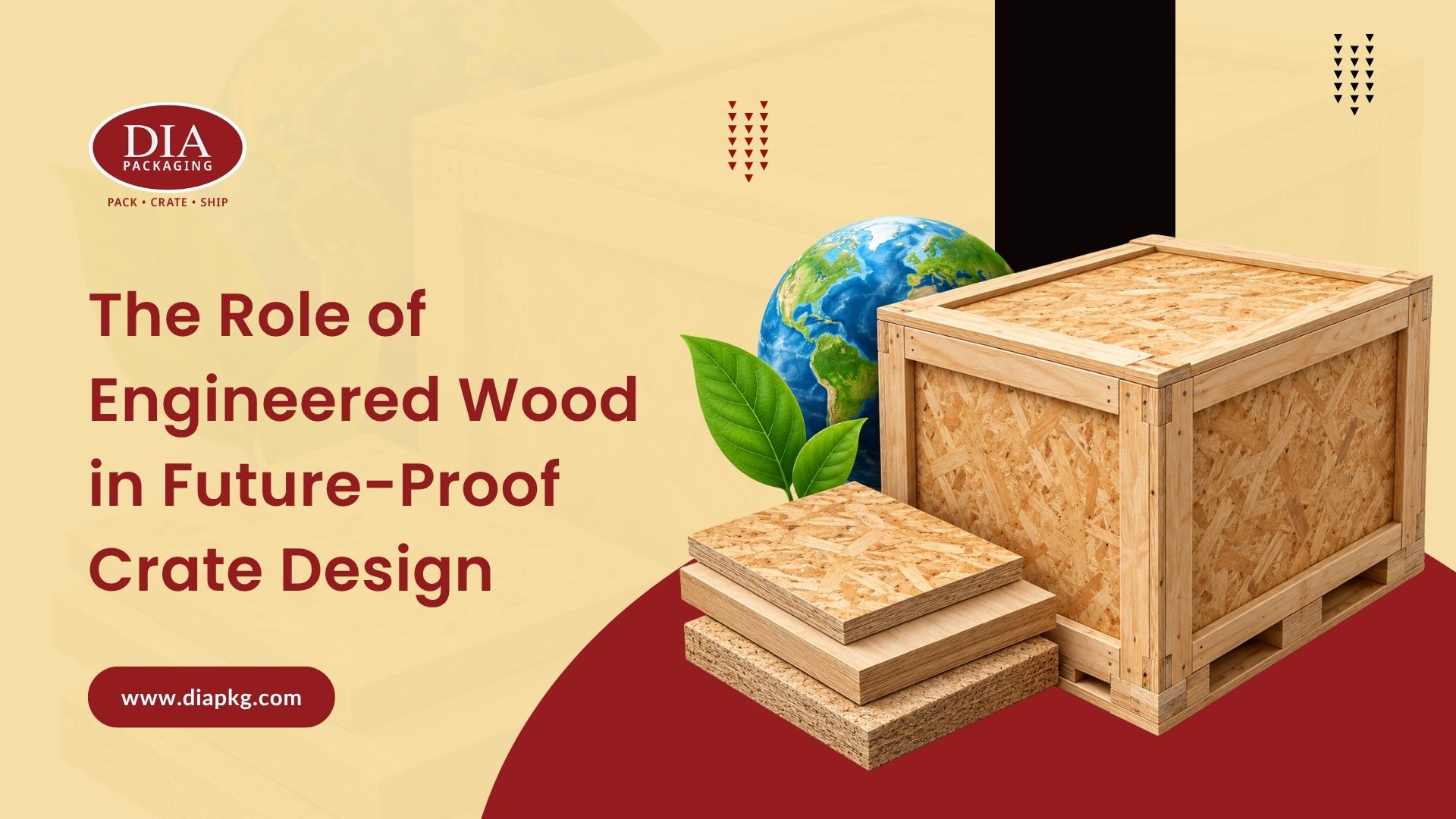
Engineered wood is made by joining wood parts together instead of using only one solid piece of timber. Depending on the product, manufacturers may use thin wood sheets, small wood pieces, or wood fibres. These parts are joined with glue, heat, or pressure to create a finished board.
One common type is plywood. It is made by placing thin layers of wood on top of one another, with the direction of the wood grain changing between layers. This helps the board stay strong and reduces the chance of splitting.
Another type is oriented strand board, or OSB. It is made from small wood strands pressed together with glue. MDF is made from fine wood fibres and is often used for smooth, even surfaces.
Each type has different strengths and limits. Plywood is often a useful choice for strong shipping crates, while OSB may suit some packaging needs. MDF is more suitable for certain indoor uses because it can be heavy and may not handle moisture well.
The best choice depends on the weight of the goods, travel conditions, crate size, and expected cost.
Why Crate Design Needs to Change
The way goods are shipped and stored continues to change. Products may travel through several locations before reaching their final destination. During this journey, crates may face rough handling, pressure from stacked loads, changes in temperature, and exposure to moisture.
A well-designed crate must protect its contents while making loading and unloading easier. It should also use materials wisely and avoid adding too much weight to the shipment.
Traditional solid wood remains useful for many heavy loads. However, the quality and strength of solid wood can vary from one piece to another. It may also contain knots or natural cracks that affect its performance.
Engineered wood offers a more even surface and more predictable properties when it is made to suitable standards. This can make it easier to plan crate sizes and build parts that fit together properly.
Future ready crate design is not just about using a new material. It is about choosing the right material and shape for the job, while keeping safety, cost, and waste in mind.
1. Better Strength and Product Protection
One of the main jobs of a crate is to protect the goods inside it. A damaged crate can lead to broken products, delivery delays, and extra costs.
Engineered wood can help provide reliable support when the right grade and thickness are selected. For example, plywood can be used for crate walls, floors, and covers. Its layered structure helps it resist splitting and makes it suitable for many shipping tasks.
Crate designers can also combine engineered wood panels with timber supports at corners and along the base. This creates a structure that can carry heavy goods while keeping the walls and floor in place.
However, no material can make every crate strong enough for every load. The design must consider the product’s weight, shape, and centre of gravity. The crate should also be tested when it will carry valuable, fragile, or heavy items.
2. Easier Handling and Lower Shipping Weight
Weight matters when goods are moved by road, rail, sea, or air. A heavy crate adds to the total shipment weight. This may increase transport costs, especially when many crates are shipped together.
Engineered wood can help designers use materials more carefully. By selecting suitable panel thicknesses and adding support only where it is needed, they may be able to reduce unnecessary weight without losing the strength required for safe transport.
Lighter crates can also be easier for workers to move, although heavy loads should still be handled with suitable lifting equipment.
The aim is not to make every crate as light as possible. A crate that is too thin or weak may break during transport and cause greater losses. The goal is to find a good balance between weight, strength, and cost.
3. Better Use of Wood and Less Waste
Wood is a useful natural resource, but it should not be wasted. Engineered wood can make use of smaller wood pieces, fibres, and layers that might not be suitable for some solid wood products.
This can help manufacturers use more of the available wood. Standard sized panels may also allow crate makers to plan cuts carefully and reduce leftover material.
For example, a manufacturer producing many crates of the same size can prepare a cutting plan before production begins. This helps workers arrange the parts on each panel so that fewer pieces are left unused.
Still, engineered wood is not automatically better for the environment in every situation. Some products use glue, coatings, or treatments that affect how they can be reused or recycled. The source of the wood and the way the material is made also matter.
Choosing responsibly sourced materials and reducing waste during production can make crate manufacturing more careful and efficient.
4. Protection Against Changing Weather Conditions
Crates often travel through places with different weather conditions. They may face rain, damp storage areas, or changes in temperature. Moisture can weaken wood, change its shape, and damage the goods inside.
Some engineered wood products are made for better moisture resistance. When selected correctly, they can be useful for crates that face damp conditions during transport.
However, moisture resistance does not mean that a panel is waterproof. Water can still enter through exposed edges, damaged surfaces, or poorly sealed joints.
Crate makers should choose panels suited to the expected conditions. They can also use suitable coatings, edge protection, covers, and designs that help keep water away from the contents.
For shipments that travel long distances or remain outdoors, testing the complete crate under expected conditions is important. The performance of the whole crate matters more than the name of the material alone.
5. Supporting Faster and More Consistent Production
Businesses that ship goods regularly often need crates in different sizes. Making every crate from separate pieces of solid wood can take time, especially when parts need careful cutting and fitting.
Engineered wood panels usually have more even thickness and smooth surfaces. This can make measuring, cutting, and joining parts easier. It can also help manufacturers produce crates with similar sizes and shapes.
When parts fit properly, workers may spend less time correcting mistakes. Standard crate designs can also make it easier to replace damaged panels or produce the same crate again.
For example, a company that ships machine parts every month may use a standard crate design for products with similar sizes and weights. This makes planning and production simpler.
The benefits depend on the tools, skills, and production methods used. Careful design and quality checks remain necessary to ensure that every crate is safe.
6. Designing Crates for Reuse and Repair
A future ready crate should not always be treated as a single use product. When a crate is built well, it may be possible to use it several times before it needs to be replaced.
Engineered wood can support this goal when panels are protected from damage and joined in a way that allows repairs. For example, screws and suitable fittings may make it easier to replace a damaged side panel instead of throwing away the entire crate.
Reusable crates can reduce the need for new packaging, especially when goods move between the same locations regularly. However, the crate must be checked after each trip. Loose joints, cracked panels, and damaged bases should be repaired before the next use.
Crates designed for reuse should also be easy to open, inspect, and repair. These simple design choices can help businesses save materials over time.
7. Choosing Materials That Meet Shipping Rules
Some goods travel across national borders and must follow special packaging rules. For example, solid wood packaging used in international trade may need treatment and marking under ISPM 15, an international standard that helps prevent the spread of harmful insects through wood packaging.
Certain processed wood products, including plywood and particleboard made using glue, are generally exempt from these requirements when they meet the standard’s definitions. However, not every wood product is exempt, and requirements should be checked for the exact material and shipment.
This is another reason to understand the type of wood used in a crate. Choosing the right material can help avoid delays and reduce the risk of problems during shipping.
Businesses should check the latest rules for the countries involved and confirm that the complete packaging meets the required conditions.
Conclusion
Engineered wood has an important role to play in the future of crate design. It can provide reliable strength, help reduce unnecessary weight, support better use of wood, and make crate production more consistent. With suitable design choices, it can also help businesses build crates that are easier to repair and reuse.
However, there is no single material that works best for every shipment. Plywood, OSB, MDF, and solid wood all have different uses. The right choice depends on the load, weather conditions, travel distance, budget, and shipping rules.
The best approach is to design crates around the needs of the goods they protect. By choosing suitable materials, reducing waste, checking quality, and planning for reuse, businesses can create packaging that serves them well today and remains useful as shipping needs change in the future.