In the fast-paced world of QSR (Quick Service Restaurants) packaging plays a much larger role than simply holding food. It serves as a silent ambassador of your brand, and it can directly impact how customers view your business. But customizing packaging can be expensive, especially for small and mid-sized QSRs that run on tight margins. The good news is that there are several smart ways to personalize your packaging without breaking the bank.
This article will walk you through practical and affordable strategies to customize QSR packaging while keeping costs in check.
Why Custom Packaging Matters
Before diving into the strategies, it’s important to understand why custom packaging is worth considering in the first place. It’s more than just looks custom packaging can boost your brand, improve customer experience, and even help protect your products better.
- Branding: Custom packaging is one of the easiest ways to make your brand more memorable. Your logo, colors, and messaging can leave a lasting impression.
- Customer Experience: A thoughtful packaging design can improve the customer’s dining experience, especially for takeout and delivery.
- Marketing: Packaging can be a free marketing tool. It travels with your food, showing off your brand wherever it goes.
Now, let’s look at how you can achieve all this without spending a lot of money.
1. Start Simple with Stickers and Stamps
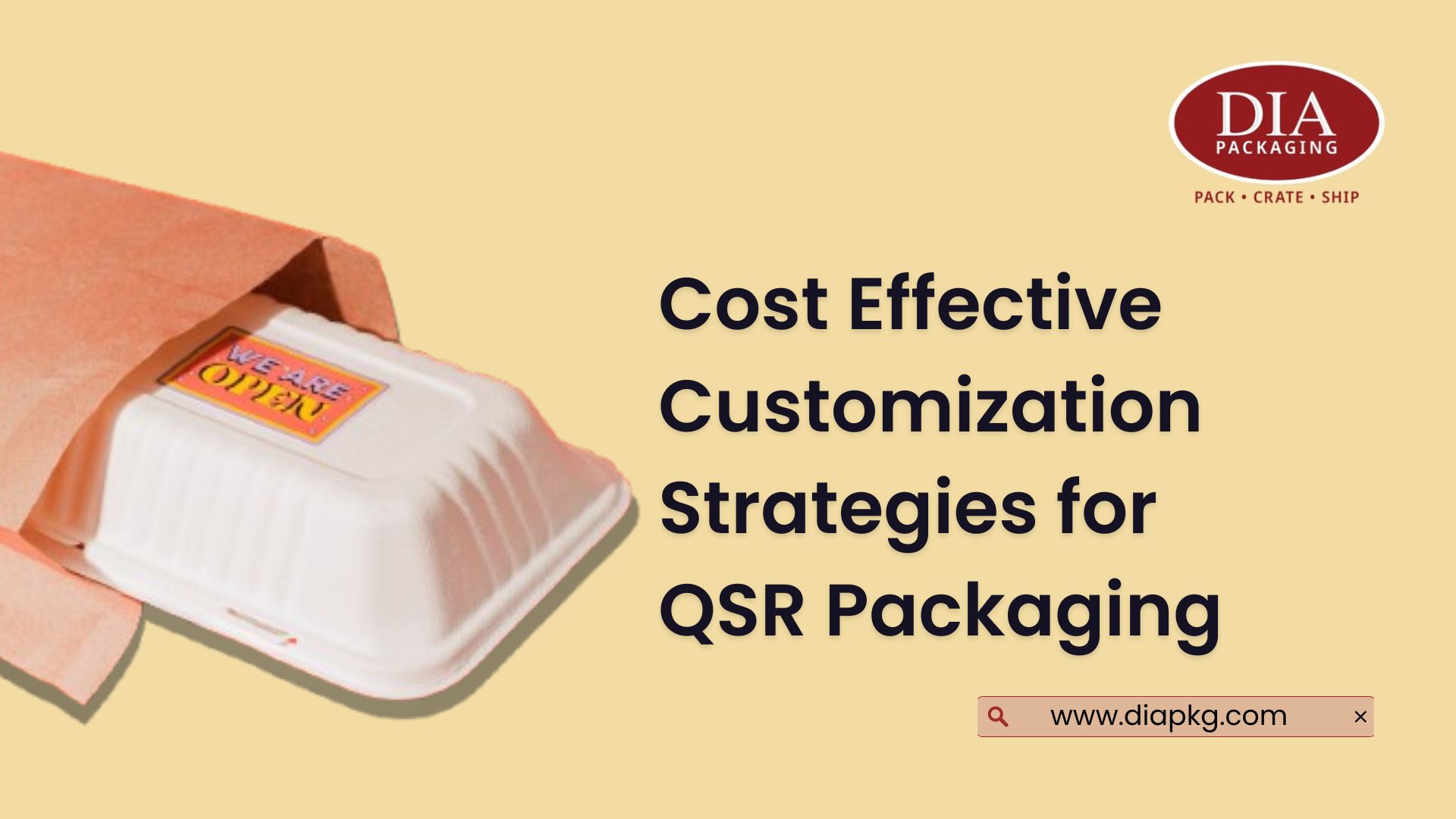
Instead of printing your logo or design directly onto the packaging, consider using stickers or rubber stamps. This is one of the most affordable ways to add branding to plain containers, bags, or boxes.
Pros:
- Lower cost than custom printed boxes
- Easy to update designs or promotions
- Ideal for small orders or seasonal specials
Tips:
- Use high-quality stamps and ink to avoid smudging
- Stickers can also include promotional offers or QR codes
2. Choose One or Two Signature Packaging Items
Rather than customizing every piece of packaging, focus on one or two items that your customers see most often. For example, you might personalize your sandwich wraps or coffee cups while keeping the rest of the packaging plain.
Pros:
- Cuts down on overall printing costs
- Creates a strong brand association with specific items
Tips:
- Pick packaging that is highly visible and used regularly
- Use consistent branding elements like your logo and color scheme
3. Use Digital Printing for Small Batches
If you’re running a small QSR or want to test a new design, digital printing is a cost-effective option. Unlike traditional printing methods, digital printing does not require making plates or large minimum orders.
Pros:
- Ideal for short runs or test batches
- Faster turnaround time
- Less waste if you decide to change your design later
Tips:
- Use digital printing for seasonal themes or limited-time offers
- Great for pilot programs and marketing campaigns
4. Partner with Local Suppliers
Working with local packaging suppliers can save you both time and money. They often have better flexibility with smaller orders, and you can avoid high shipping costs. Local businesses may also be open to negotiation or collaboration.
Pros:
- Lower delivery costs
- Faster reordering
- Personalized customer service
Tips:
- Ask for sample runs or mixed bundles to test designs
- Consider co-branding with local suppliers if it benefits both sides
5. Use Minimalist Design
Sometimes, less is more. A clean, minimalist design can be eye-catching, especially if you use bold colors or interesting textures. Best of all, fewer colors and simple artwork mean lower printing costs.
Pros:
- Timeless and professional look
- Reduces printing expenses
- Appeals to modern customer tastes
Tips:
- Stick to one or two brand colors
- Use simple typography and avoid clutter
6. Go for Multi-Use Packaging
Try to use packaging that works for different types of food or drink items. This can reduce the number of different containers you need to stock. For example, a simple box could be used for both sandwiches and wraps with only a small change in the internal liner.
Pros:
- Reduces storage needs
- Fewer packaging types to order
- Easier inventory management
Tips:
- Choose neutral sizes and shapes
- Add labels or stickers to distinguish different uses
7. Customize Only When It Adds Value
Not every part of your packaging needs to be custom. Focus your budget on the parts that create the biggest customer impact. For example, you might use a plain bag but customize the cup that’s always in the customer’s hand.
Pros:
- Better use of budget
- More impact for less money
Tips:
- Track which items are seen the most by customers
- Prioritize customizing those high-visibility items
8. Include Digital Touchpoints
You can add value without spending much on physical customization. Consider adding QR codes that link to your menu, customer feedback form, or loyalty program. This helps you connect with customers beyond the meal and encourages repeat visits.
Pros:
- Low cost
- Builds long-term engagement
- Easy to change as needed
Tips:
- Make sure your digital content is mobile-friendly
- Use analytics to track QR code engagement
Final Thoughts
Custom packaging is a great way to make your QSR stand out, but it doesn’t have to be expensive. By using smart, simple strategies, you can create packaging that supports your brand and delights your customers without stretching your budget.
Start small, measure what works, and adjust as you grow. Even on a tight budget, your packaging can still carry your message loud and clear.