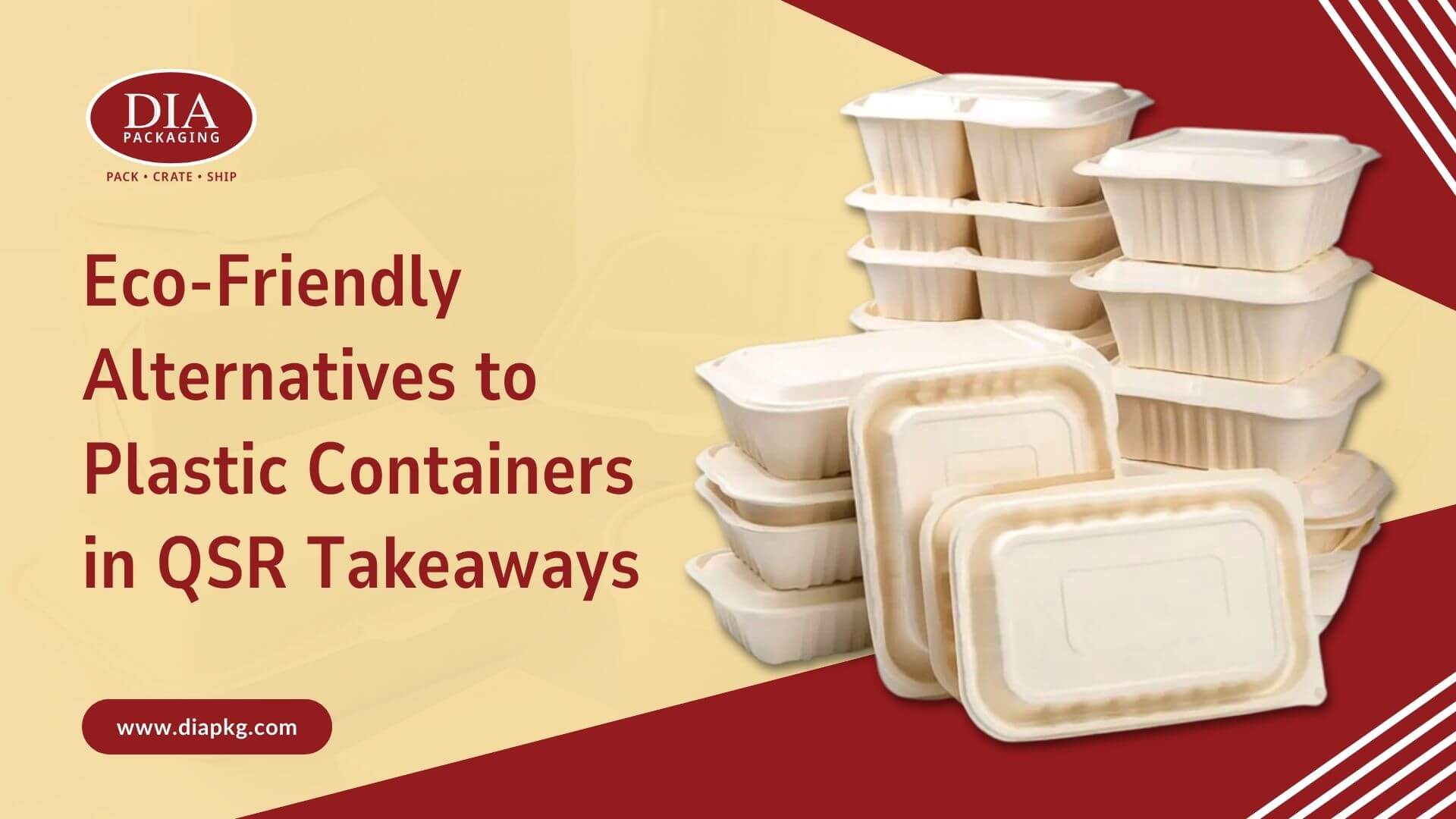
Quick service restaurants, often called QSRs, have changed the way we eat. People now pick up a burger on the way home, order a bowl of noodles online, or grab a quick coffee during a lunch break, making takeaway culture part of daily life. Along with this convenience comes a serious problem. Most takeaway meals are packed in plastic containers that are used once and then thrown away.
Plastic may be cheap and light, but it stays in the environment for many years. It clogs drains, harms animals, and breaks down into tiny particles that can end up in soil and water. Many customers are now asking restaurants to find better options.
For QSR owners, this change can feel challenging. However, there are many eco friendly alternatives that work well for takeaway packaging. These options protect food, maintain quality, and reduce harm to the planet. Let us explore some of the most practical and widely used alternatives.
Paper Based Containers
Paper is one of the oldest packaging materials. Today, it has improved a lot in strength and design. Many QSRs are shifting to thick paper boxes and bowls for burgers, fries, salads, and rice meals.
Paper containers are usually made from renewable sources like wood pulp. If sourced responsibly, trees are replanted to replace those that are cut down. Paper also breaks down faster than plastic when thrown away.
To make paper containers suitable for food, especially greasy or wet food, they are often coated with a thin layer of plant based material instead of plastic. This helps prevent leaks without harming the environment too much.
Paper works best for dry foods and light meals. However, very oily or liquid heavy dishes may still require stronger alternatives.
Bagasse Containers
Manufacturers make bagasse from the sugarcane fiber that remains after they extract the juice. Instead of throwing this waste away, they turn it into sturdy plates, bowls, and clamshell boxes.
Bagasse containers are strong, heat resistant, and suitable for both hot and cold food. They are commonly used for rice bowls, curries, pasta, and combo meals in QSRs.
One major benefit is that bagasse is compostable. When disposed of properly, it can break down within a few months under the right conditions. It also gives a natural look and feel, which many customers appreciate.
Since sugarcane is widely grown in countries like Brazil and Thailand, bagasse is available in large quantities. This makes it a practical choice for food businesses.
Areca Leaf Plates and Containers
Manufacturers make areca leaf products from the fallen leaves of the areca palm tree. They collect, clean, and press these leaves into different shapes using heat. The process does not require any chemicals.
Areca leaf containers are strong, natural, and compostable. They can handle both dry and semi wet foods. Many small QSRs and food stalls use them for snacks, meals, and desserts.
They are especially popular in countries like India where areca trees are widely available. Customers often see them as a traditional and eco friendly option.
One thing to keep in mind is that areca leaf containers may not be ideal for very liquid dishes unless paired with an inner lining.
Cornstarch and PLA Containers
Cornstarch based packaging is another alternative to plastic. PLA, which stands for polylactic acid, is made from plant starch, often corn. It looks and feels similar to plastic but is derived from renewable resources.
PLA containers are commonly used for cold drinks, salads, and clear lids. They are transparent, which helps customers see the food inside.
However, PLA requires specific composting conditions to break down properly. In regular landfill conditions, it may not decompose quickly. Therefore, QSRs using PLA should check if composting facilities are available in their area.
Even with this limitation, cornstarch and PLA are considered better options compared to traditional petroleum based plastics.
Bamboo Packaging
Bamboo is a fast growing plant that requires little water and no pesticides. This makes it a strong candidate for sustainable packaging.
Bamboo containers are durable and can handle heat well. Some QSRs use bamboo bowls, trays, and cutlery for dine in and takeaway orders.
Because bamboo grows quickly, it is often seen as a renewable resource. It also has a clean and premium appearance that appeals to customers who care about the environment.
The cost of bamboo packaging can be slightly higher than plastic, but many customers are willing to support businesses that make responsible choices.
Reusable Container Programs
Another approach is not just switching materials but changing the system itself. Some QSRs are experimenting with reusable containers. Customers pay a small deposit for a durable container and return it after use.
Cities like Berlin have pilot programs where restaurants offer reusable takeaway boxes. Customers return them to any participating outlet.
This system reduces single use waste completely. However, it requires proper washing, storage, and customer participation. It may work best in urban areas with regular customers.
For QSR chains, this model can build loyalty and show real commitment to reducing waste.
Edible Packaging
Although still developing, edible packaging is an interesting idea. Some companies are creating food wraps and cups that can be eaten along with the meal.
For example, edible spoons made from grains are already available in some markets. These products reduce waste while adding a unique experience for customers.
While edible packaging may not yet replace all plastic containers, it shows how innovation can help solve environmental problems.
Benefits of Switching to Eco Friendly Containers
Moving away from plastic is not only good for the planet. It also offers practical benefits for QSR businesses.
First, customers today are more aware of environmental issues. Many prefer to order from restaurants that use sustainable packaging. This can improve brand image and attract repeat customers.
Second, government regulations are becoming stricter. By switching early, QSRs can avoid penalties and stay ahead of future rules.
Third, eco friendly packaging often provides better insulation and strength than thin plastic. This helps maintain food quality during delivery.
Finally, using natural materials sends a positive message. It shows that the restaurant cares about more than just profit.
Challenges to Consider
Despite the benefits, there are some challenges.
Cost is often the biggest concern. Eco friendly materials can be more expensive than plastic, especially when ordered in small quantities. However, as demand increases, prices are gradually becoming more competitive.
Supply consistency is another issue. QSRs need reliable vendors to ensure steady packaging supply.
There is also the question of proper disposal. Compostable materials only break down efficiently if they are disposed of correctly. Restaurants may need to educate customers on how to discard packaging responsibly.
How QSRs Can Make the Transition
The shift does not have to happen all at once. QSRs can start small.
They can begin by replacing plastic cutlery with wooden or bamboo alternatives. Next, they can switch to paper or bagasse containers for selected menu items. Over time, they can fully phase out plastic packaging.
Clear communication is important. Restaurants should inform customers about the changes through simple signs, menu notes, or social media posts. When customers understand the reason behind the switch, they are more likely to support it.
Partnering with local suppliers can also reduce transport costs and support the local economy.
The Road Ahead
The takeaway culture is here to stay. People value speed and convenience, and QSRs packaging play an important role in modern food habits. However, convenience should not come at the cost of environmental damage.
Eco friendly alternatives to plastic containers are no longer rare or impractical. From paper and bagasse to bamboo and reusable systems, there are many options available. Each material has its strengths and limits, but together they offer a clear path forward.
As more businesses adopt these alternatives, the impact can be significant. Less plastic waste means cleaner streets, healthier oceans, and safer wildlife.
For QSR owners, the change is not just about following a trend. It is about taking responsibility and building a business that can thrive without harming the planet. For customers, it is about making small choices that add up to a big difference.
The next time someone orders a takeaway meal, the container it comes in should not become a long term burden on the environment. With thoughtful decisions and steady effort, QSRs can serve food that is quick, tasty, and kinder to the world around us.