Running a small e-commerce business comes with many choices, and packaging is one of the most important ones. It is often the first physical interaction a customer has with your brand. While it protects products during shipping, it also sends a message about your values. Today, more customers are paying attention to how their orders are packed and delivered. They want less waste and more responsible choices. This is where eco-friendly packaging comes in.
This article explains simple and practical ways small e-commerce businesses can switch to eco-friendly packaging without making things complicated or expensive.
Why Eco-Friendly Packaging Matters
Packaging waste is a growing problem across the world. A large portion of shipping materials ends up in landfills, especially plastic-based packaging. Many of these materials take hundreds of years to break down. As online shopping grows, so does the amount of waste generated.
Customers are becoming more aware of this issue. Many prefer to support brands that care about the environment. Choosing eco-friendly packaging is not just about helping the planet. It can also build trust and improve your brand image. When customers see that you are making an effort, they are more likely to remember and recommend your business.
What Makes Packaging Eco-Friendly
Eco-friendly packaging is not just about using paper instead of plastic. It involves a few key ideas:
First, the material should be recyclable, compostable, or reusable. This means it can be processed again instead of being thrown away.
Second, it should use fewer resources. Lightweight and minimal packaging reduces waste and shipping costs.
Third, it should be made from sustainable sources. For example, materials that come from responsibly managed forests or recycled content.
Simple Eco-Friendly Packaging Options
There are many easy options available today that do not require a big investment. Here are some of the most practical ones for small businesses:
1. Recycled Cardboard Boxes
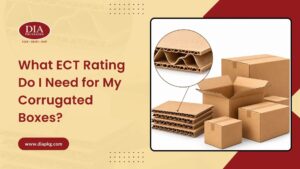
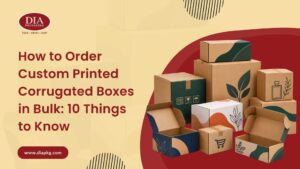
Cardboard boxes made from recycled paper are widely available and affordable. They are strong, easy to customize, and can be recycled again by customers. Try to choose boxes that match the size of your product to avoid extra space.
2. Paper-Based Mailers
For smaller items like clothing or accessories, paper mailers are a great alternative to plastic ones. They are lightweight and can be recycled easily.
3. Compostable Mailers
These are made from plant-based materials and can break down naturally in compost conditions. They look similar to plastic mailers but are much better for the environment.
4. Paper Tape Instead of Plastic Tape
Switching to paper tape is a small change that makes a big difference. It can be recycled along with the box, unlike plastic tape which often needs to be removed.
5. Recycled Filling Materials
Instead of bubble wrap or foam, consider using shredded paper, recycled kraft paper, or cardboard inserts. These materials protect products while staying eco-friendly.
6. Minimal Packaging Approach
One of the easiest ways to reduce waste is to use less packaging in the first place. Avoid adding unnecessary layers, wrappers, or decorations. Focus on what is needed to keep the product safe.
For example, if your product is already in a sturdy box, you may not need an extra outer box. You can simply add a shipping label and send it as is. This approach reduces both material usage and shipping costs.
7. Encourage Reuse
Packaging does not always have to be thrown away after one use. You can design it in a way that encourages customers to reuse it.
For example, you can use durable boxes that customers can use for storage. You can also include a simple message asking them to reuse or recycle the packaging. Small reminders like this can make a difference.
Work with Responsible Suppliers
Choosing the right suppliers is just as important as choosing the right materials. Look for suppliers who provide clear information about their products. Certifications and labels can help you understand whether the materials are responsibly sourced.
Building a relationship with reliable suppliers ensures consistent quality and helps you stay committed to your eco-friendly goals.
Balance Cost and Sustainability
Many small business owners worry that eco-friendly packaging will be too expensive. While some options may cost more at first, there are ways to manage costs.
Buying in bulk can reduce the price per unit. Using smaller and lighter packaging can also lower shipping costs. Over time, these savings can balance out the initial expense.
Also, consider the long-term value. Customers who appreciate your efforts may be more loyal and willing to support your brand.
Communicate Your Efforts
If you are making changes to your packaging, let your customers know. You can include a small note inside the package explaining your choices. You can also share your efforts on your website or social media.
This helps customers understand your values and feel connected to your brand. It also encourages them to make eco-friendly choices in their own lives.
Start Small and Improve Over Time
You do not have to change everything at once. Start with one or two simple changes, such as switching to paper tape or using recycled boxes. Once you are comfortable, you can explore more options.
Sustainability is a journey. Even small steps can lead to meaningful impact over time.
Final Thoughts
Eco-friendly packaging is not just a trend. It is becoming an important part of running a responsible business. For small e-commerce brands, it offers a chance to stand out while making a positive impact.
By choosing better materials, reducing waste, and communicating your efforts, you can create a packaging experience that customers appreciate. It does not have to be complicated or costly. With thoughtful choices, you can protect both your products and the environment.
Making the switch may take some effort, but the benefits for your business and the planet are well worth it.