Choosing the right box may seem like a simple task, but it can make a big difference in how your products are stored, packed, and delivered. A box that is too small can damage the product. A box that is too large can waste space and packing material. The right box keeps your products safe while also making packing easier.
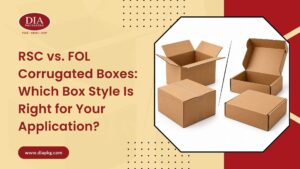
One of the most common box styles is the Regular Slotted Container, often called an RISC box. It is the simple, familiar cardboard box used for many types of products. Its top and bottom flaps meet in the middle when the box is closed.
RISC boxes come in many sizes and strengths. So, how do you choose the right one for your products? Here are the main things to consider.
1. Start With Your Product Size
The first step is to measure the product you want to pack.
Measure the length, width, and height of the product. Make sure your measurements are accurate. Even a small difference can matter when the box is a tight fit.
Do not choose a box that matches the product size exactly. Your product may need some extra room for wrapping, paper, foam, or other packing material.
For example, if your product is 10 inches long, 6 inches wide, and 4 inches high, you should look for a box that gives you a little extra space in each direction.
At the same time, avoid choosing a much larger box just because it is easy to find. Extra empty space can allow the product to move around during shipping.
2. Think About the Product’s Weight
Product weight is another important factor.
A light product, such as clothing, may not need a very strong box. A heavier product, such as books, tools, or small machines, needs stronger cardboard.
If you place a heavy product in a weak box, the bottom may bend or break. The sides may also lose their shape when the box is moved.
Check the box’s weight rating before buying it. If you are unsure, it is safer to choose a stronger box rather than one that is just strong enough.
Remember that the box must support not only the product but also any other items packed inside it.
3. Choose the Right Cardboard Strength
Not all cardboard boxes are made the same way. Some have thicker or stronger walls than others.
The right strength depends on what you are packing and how the box will be handled.
For light products that travel short distances, a standard box may work well. For heavy products or items that will travel far, you may need a stronger box.
You should also think about how many boxes will be stacked during storage or shipping. Boxes at the bottom of a stack carry the weight of the boxes above them.
If your products will spend a long time in storage, or if they may face rough handling, choosing stronger cardboard can help reduce damage.
4. Leave Enough Room for Packing Material
Many products need protection inside the box.
You may use bubble wrap, paper, foam, cardboard inserts, or other materials. These materials need space around the product.
Before choosing your box size, think about how much protection your product needs.
A glass item, for example, needs more protection than a soft fabric item. A product with sharp corners may also need extra padding.
The goal is to leave enough room for protection without creating a large amount of empty space.
A good fit helps keep the product from moving too much inside the box.
5. Consider How the Box Will Be Shipped
Think about the journey your box will take.
- Will it be delivered by a local driver?
- Will it travel through a shipping company?
- Will it be placed on a truck, stored in a warehouse, or sent by air?
The longer and more complicated the journey, the more care you should take when choosing the box.
Boxes used for shipping may be moved several times before they reach the customer. They can also be stacked with other boxes.
If your product is being shipped directly to customers, choose a box that can handle normal movement and handling during delivery.
6. Check the Box’s Inside and Outside Size
When shopping for boxes, pay attention to the measurements listed by the supplier.
Box sizes can be given as either inside measurements or outside measurements. The inside size tells you how much room you have for your product. The outside size tells you how much space the box takes up.
For packing, inside measurements are usually the most useful starting point.
For shipping costs and storage space, outside measurements are also important.
If you are not sure which measurement a supplier uses, ask before ordering. This simple check can save you from receiving boxes that are smaller than expected.
7. Think About Storage Space
Your boxes need a place to stay before they are used.
If you order a large number of boxes, they can take up a lot of room. Choose a box size that works well with your storage area.
Flat boxes are easier to store because they take up less space before they are put together.
You should also think about how the boxes will be stacked. Keep them in a clean, dry place away from water and high moisture. Damp cardboard can become weak and lose its shape.
Good storage helps keep your boxes ready to use when you need them.
8. Avoid Using Too Many Different Sizes
If your business sells many products, you may be tempted to use a different box for every item.
That is not always necessary.
Try to group products that can safely fit into the same box size. Using a smaller number of box sizes can make packing easier and help your team work faster.
However, do not force different products into the same box if it creates a poor fit. A product that moves around or gets squeezed can be damaged.
Find a balance between having fewer box sizes and giving each product enough protection.
9. Consider the Cost
Price matters, but the cheapest box is not always the best choice.
A low-cost box may save money when you buy it, but if it breaks and damages your products, the total cost can be much higher.
On the other hand, buying very strong boxes for light products may waste money.
Look at the full picture. Consider the box price, packing materials, shipping costs, storage space, and possible product damage.
The best box is one that gives your product the protection it needs at a reasonable cost.
10. Test the Box Before Buying in Bulk
Before placing a large order, test the box with your actual product.
Put the product inside and add the packing material you normally use. Close the box and check whether everything fits properly.
Then look at the finished package.
- Does the product move around?
- Are the flaps closing correctly?
- Does the box feel strong enough?
- Is there too much empty space?
If possible, send a test package through your normal delivery method. This can show you how the box handles real shipping conditions.
A small test can prevent a much bigger problem later.
Final Thoughts
Choosing the right Regular Slotted Container box does not have to be difficult. Start with the size and weight of your product. Then think about protection, cardboard strength, shipping, storage, and cost.
The right box should fit your product well without squeezing it. It should leave enough room for protection but not so much that the product moves freely inside.
It is also worth testing a box before ordering a large quantity. A few simple checks can help you avoid damaged products, wasted materials, and packing problems.
In the end, the best RISC box is not simply the biggest, smallest, cheapest, or strongest option. It is the one that fits your product, protects it during handling and delivery, and works well for the way your business packs and ships its goods.