When we think about reducing pollution and saving the planet, our minds often go to things like electric cars, renewable energy, or cutting down on plastic. But there is another area that plays a big role in our daily lives which we rarely notice: logistics. Logistics is the system that moves goods from one place to another. Everything we buy, from fruits to furniture, travels through this system. And within this system, packaging has a huge impact on how much energy is used and how much waste is created.
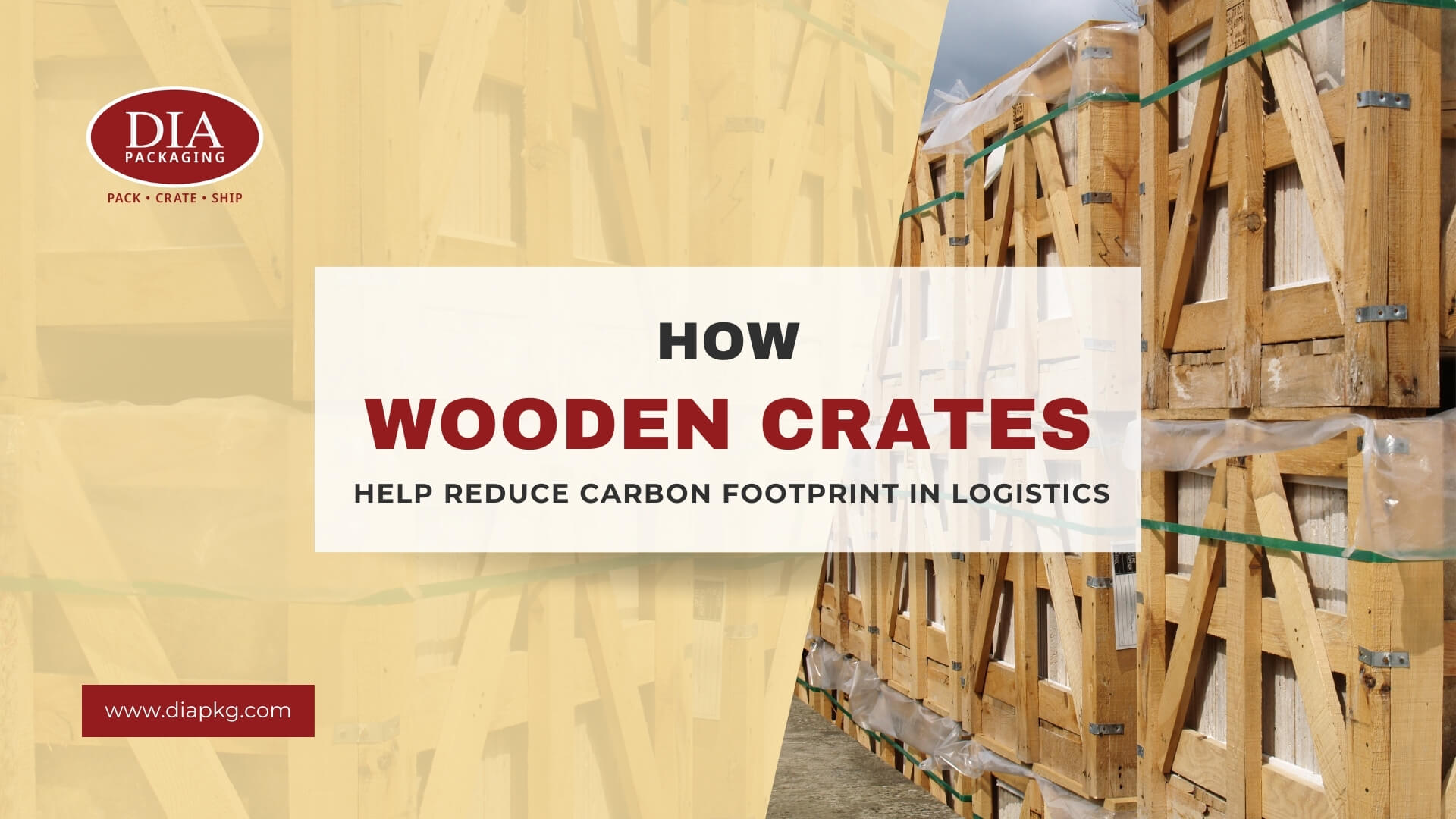
One type of packaging that is making a big difference is the wooden crate. Wooden crates have been used for hundreds of years to store and move goods. Today, they are proving to be a simple but powerful way to reduce carbon footprint in logistics. Let us look at how they help.
What is Carbon Footprint in Logistics?
Before we dive into wooden crates, it is important to understand what carbon footprint means in this context. Carbon footprint is the total amount of carbon dioxide and other greenhouse gases released into the atmosphere as a result of human activities. In logistics, the main sources of carbon footprint include:
- Fuel used by trucks, ships, and planes
- Energy used in warehouses
- Materials used in packaging and storage
- Waste generated after goods are delivered
Even though packaging may seem small compared to fuel or transport, it still adds up. If packaging is heavy, it makes vehicles burn more fuel. If it is made of plastic or other non-recyclable material, it adds to waste. This is why choosing the right packaging can lower the overall carbon footprint.
Why Wooden Crates are a Smarter Choice
Wooden crates stand out from other packaging materials such as plastic or metal. Here are the main reasons:
1. They Come from a Renewable Resource
Wood is a natural material. When managed properly, trees can be replanted to replace the ones cut down. Many companies that make wooden crates use wood from sustainable forests. This means the resource is not getting permanently used up, unlike plastic which is made from oil.
2. Wooden Crates Last Longer
A wooden crate is strong and durable. Unlike cardboard, which may tear or lose shape if it gets wet, wooden crates can hold heavy items and withstand rough handling. Because they last longer, the same crate can be used again and again. This reduces the need to produce new packaging materials, which saves energy and lowers emissions.
3. They Can Be Repaired Easily
If a wooden crate breaks, it does not have to be thrown away. It can often be fixed with simple tools. This is not the case with plastic or metal crates, which may require more energy to recycle or repair. The ability to repair wooden crates extends their life and reduces waste.
4. They Are Recyclable and Biodegradable
At the end of their life, wooden crates can be recycled into other products like wood chips, mulch, or even paper. If left to decompose, wood will break down naturally without leaving behind harmful chemicals. This makes wooden crates far more eco-friendly compared to plastics which can take hundreds of years to degrade.
Lowering Fuel Use in Transport
Weight plays a huge role in transport emissions. The heavier the load, the more fuel trucks, ships, or planes must use. Wooden crates are generally lighter than metal containers. While they may be heavier than cardboard, their durability means fewer crates are needed overall. For example, a cardboard box may collapse after one shipment of heavy goods, while a wooden crate can be used for dozens of trips. Over time, this reduces the total amount of packaging material that needs to be moved, which lowers fuel use.
Also, wooden crates can be designed to fit goods perfectly. This reduces wasted space in transport vehicles. When more items fit into a single trip, fewer trips are needed. This efficiency directly cuts down on fuel use and lowers the carbon footprint.
Reducing Waste in the Supply Chain
One of the biggest environmental problems in logistics is packaging waste. Every year, millions of tons of packaging materials end up in landfills. Wooden crates help reduce this waste in several ways:
- They can be reused many times.
- They are often collected, repaired, and put back into circulation.
- At the end of their life, they can be recycled or composted.
This circular use of wooden crates means that very little actually goes to waste. In comparison, single use packaging like cardboard or plastic wrap often goes straight to the trash after one use.
Storing and Protecting Goods More Efficiently
Another way wooden crates help reduce carbon footprint is by protecting goods more effectively. Damaged goods often need to be replaced, which doubles the transport, packaging, and energy required. Wooden crates are sturdy enough to prevent damage during shipping. This means fewer products are wasted and fewer replacement shipments are needed. By cutting down on product loss, wooden crates indirectly save fuel, materials, and energy.
A Practical Example
Imagine a company that ships fruits across the country. If it uses cardboard boxes, many boxes may break during transport because fruits are heavy and sometimes moist. Each broken box means wasted fruit, wasted packaging, and wasted effort. Now imagine the same company using wooden crates. The crates hold the fruit safely without breaking. Fewer fruits are spoiled, fewer boxes are thrown away, and the same crates can be used again for the next shipment. The result is less waste and lower fuel use, which means a smaller carbon footprint.
Challenges and Solutions
Of course, wooden crates are not perfect. They do have some challenges:
- They take more space than foldable cardboard boxes.
- If not treated properly, they can attract pests or mold.
- They may be more expensive upfront compared to cardboard.
However, these challenges can be managed. Many wooden crates are now designed to be stackable, which saves space. Heat treatment can make them safe from pests. And although the upfront cost may be higher, the long-term savings from reuse and durability often make them cheaper overall.
The Bigger Picture
Wooden crates may seem like a small part of the logistics system, but when you look at the bigger picture, their impact is significant. Every truckload saved, every box reused, and every ton of waste prevented adds up to a meaningful reduction in carbon emissions. If more companies choose wooden crates for packaging and shipping, the combined effect can be very powerful.
This also sends a positive message to customers. People are becoming more aware of the environmental impact of the products they buy. When businesses choose packaging that reduces carbon footprint, they show responsibility and care for the planet. This not only helps the environment but can also build customer trust and loyalty.
Conclusion
Reducing carbon footprint is not always about big, flashy solutions. Sometimes, it is about simple choices that add up over time. Wooden crates are one of those simple choices. They are strong, reusable, repairable, recyclable, and made from a renewable resource. They help cut down on waste, lower fuel use, and protect goods better.
In logistics, where every step affects the environment, wooden crates play a quiet but important role in making the system more sustainable. Choosing them over single-use or non-recyclable packaging is a practical way to move closer to a greener future.
By rethinking something as ordinary as a shipping crate, we can make a big difference in the fight against climate change.