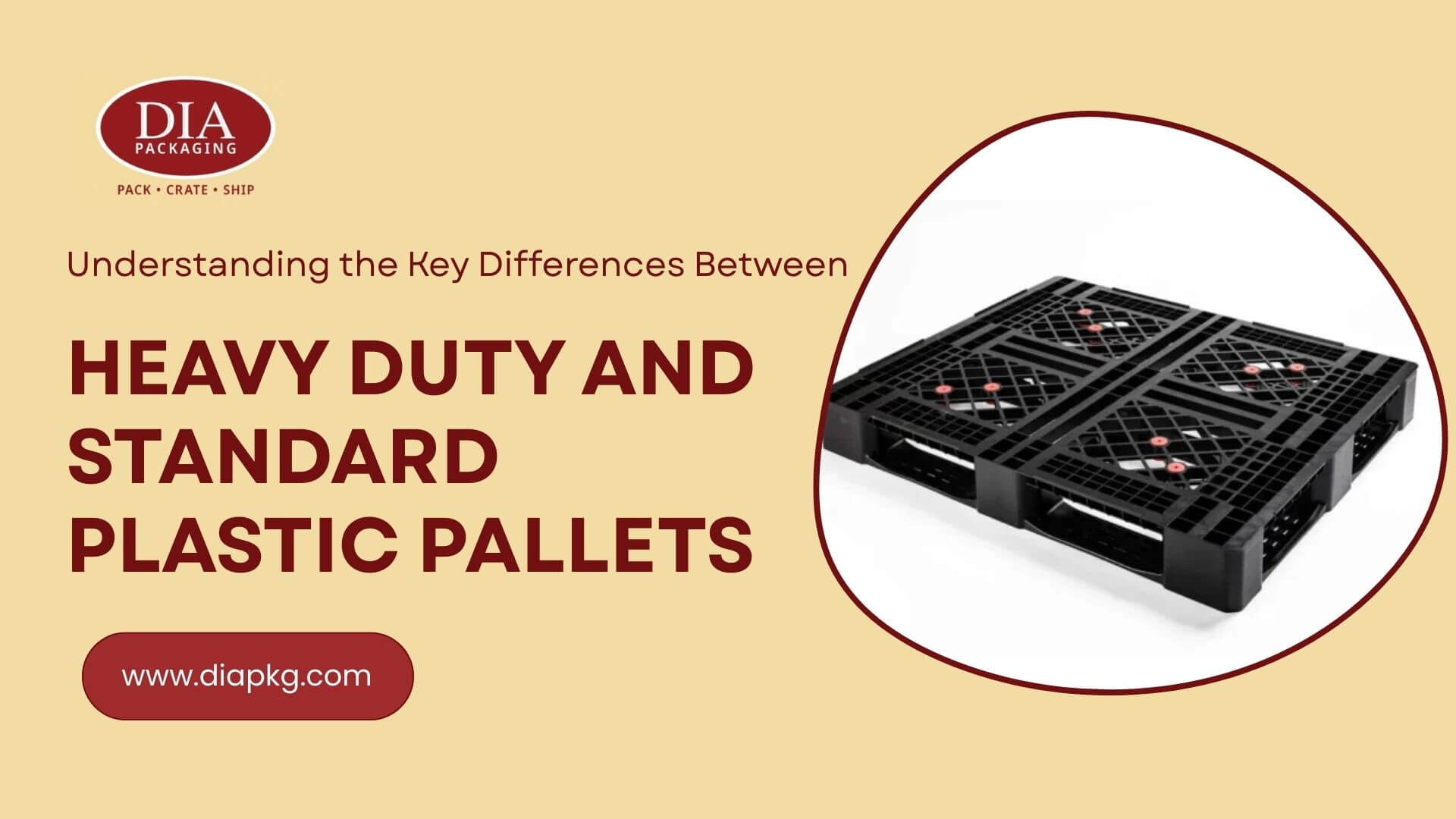
Plastic pallets are an essential tool in the world of logistics and shipping. They are commonly used to store, transport, and organize goods in various industries. However, when it comes to plastic pallets, there are different types to choose from. Two of the most common types are heavy-duty plastic pallets and standard plastic pallets.
While both are designed for handling and carrying goods, there are some key differences between the two. In this article, we will break down these differences and help you understand when to use each type.
What Are Plastic Pallets?
Before diving into the differences between heavy-duty and standard plastic pallets, it’s important to understand what plastic pallets are and how they are used.
A plastic pallet is a flat platform used to store and transport goods. It is typically made of durable plastic materials like HDPE (High-Density Polyethylene) or PP (Polypropylene). These pallets are often used in warehouses, distribution centers, and shipping operations. They are an alternative to wooden pallets and offer many benefits, such as being lighter, more durable, and easier to clean.
The Basics of Standard Plastic Pallets
Standard plastic pallets are the most commonly used pallets in many industries. These pallets are typically designed for lighter loads and less demanding applications. They are made to handle the everyday transportation and storage needs of businesses that do not deal with excessively heavy or bulky items.
Features of Standard Plastic Pallets:
- Weight Capacity: Standard plastic pallets usually have a weight capacity ranging from 1,000 to 2,000 pounds. These pallets are designed to handle typical loads like small boxes, bags, and lightweight materials.
- Size: Standard pallets are often designed to fit into common racking systems. The most common size is 48 inches by 40 inches, which is a standard size used in the U.S. and Europe.
- Durability: While standard plastic pallets are durable, they are not built to handle extreme conditions or heavy-duty loads. They can last for several years with proper care, but they are more susceptible to damage if exposed to harsh environments.
- Weight: Standard plastic pallets are lightweight, making them easy to move around by hand or with a forklift. Their lower weight also makes them easier to handle in transit.
- Cost: Standard plastic pallets tend to be more affordable than their heavy-duty counterparts, making them a popular choice for businesses that don’t need a pallet with a high weight capacity.
Applications of Standard Plastic Pallets:
Standard plastic pallets are ideal for a wide range of industries, including:
- Retail
- Food and beverage
- Pharmaceuticals
- Electronics
- Consumer goods
These pallets are best suited for situations where the items being stored or transported are relatively light in weight and don’t require specialized handling.
What Are Heavy Duty Plastic Pallets?
Heavy-duty plastic pallets, as the name suggests, are designed for much tougher and more demanding applications. These pallets are built to withstand heavier loads, extreme temperatures, and more frequent use. Heavy-duty pallets are made with reinforced materials and often have a more robust design to ensure they can handle the weight and conditions without failing.
Features of Heavy Duty Plastic Pallets:
- Weight Capacity: Heavy-duty plastic pallets are built to handle much heavier loads than standard plastic pallets. Their weight capacity typically ranges from 3,000 to 5,000 pounds or even more. These pallets can safely carry large, heavy products like industrial equipment, machinery, or bulk materials.
- Size: Like standard pallets, heavy-duty plastic pallets are available in various sizes, but they are often made with thicker dimensions and a sturdier structure. Some are designed for specialized industries that require specific sizes, such as automotive or manufacturing.
- Durability: Heavy-duty pallets are incredibly durable and can withstand extreme conditions. They are made from high-quality plastic materials that are resistant to cracking, breaking, and warping. These pallets are often used in environments where pallets are exposed to harsh chemicals, extreme temperatures, or heavy impacts.
- Weight: While heavy-duty plastic pallets are sturdier, they are also heavier than standard pallets. However, their added weight gives them the strength needed to support larger loads.
- Cost: Due to the added strength, durability, and material quality, heavy-duty plastic pallets are more expensive than standard plastic pallets. However, their longer lifespan and ability to handle more demanding tasks can make them a worthwhile investment for businesses that need a stronger pallet.
Applications of Heavy Duty Plastic Pallets:
Heavy-duty plastic pallets are used in industries where the payload is substantial and where the environment might be harsh. Some common industries include:
- Manufacturing
- Automotive
- Pharmaceuticals
- Chemical processing
- Large-scale warehousing
These pallets are ideal for companies that need to transport heavy products or operate in environments with extreme conditions that could damage standard pallets.
Key Differences Between Heavy Duty and Standard Plastic Pallets
Now that we’ve looked at the characteristics of both types of plastic pallets, let’s summarize the key differences:
1. Weight Capacity:
- Standard Plastic Pallets: Can typically handle loads of 1,000 to 2,000 pounds.
- Heavy Duty Plastic Pallets: Can support loads from 3,000 to 5,000 pounds or more.
2. Design and Construction:
- Standard Plastic Pallets: Lighter in design with a simpler structure. They are not meant for heavy-duty use.
- Heavy Duty Plastic Pallets: Reinforced with stronger materials and have a more robust construction to support heavier loads and withstand more wear and tear.
3. Durability:
- Standard Plastic Pallets: Adequate for lighter, less demanding environments.
- Heavy Duty Plastic Pallets: Built to last longer and perform better in harsher conditions, such as extreme temperatures or exposure to chemicals.
4. Cost:
- Standard Plastic Pallets: Typically more affordable.
- Heavy Duty Plastic Pallets: Higher in cost due to their added strength and durability.
5. Applications:
- Standard Plastic Pallets: Best for businesses with lighter loads, such as retail or food industries.
- Heavy Duty Plastic Pallets: Ideal for industries dealing with large or heavy items like automotive, chemicals, or manufacturing.
Comparison Table: Heavy-Duty vs. Standard Plastic Pallets
| Feature | Standard Plastic Pallets | Heavy-Duty Plastic Pallets |
|---|---|---|
| Load capacity | Low to medium | High |
| Durability | Moderate | Excellent |
| Weight | Lightweight | Heavier |
| Cost | Lower upfront | Higher upfront |
| Reusability | Limited | Long-term |
| Automation-ready | Limited | Yes |
| Best for | Light goods | Heavy industrial loads |
Choosing the Right Pallet for Your Needs
The choice between heavy-duty and standard plastic pallets ultimately comes down to your specific needs. Here are some factors to consider when making your decision:
- Weight of the Products: If you are transporting or storing heavy products, a heavy-duty pallet is the better choice. If your goods are lightweight, a standard plastic pallet should suffice.
- Environmental Conditions: If your pallets will be exposed to extreme temperatures, harsh chemicals, or heavy impacts, heavy-duty pallets are built to withstand these conditions.
- Budget: If you are working with a tighter budget and don’t require the extra strength, a standard pallet might be the most cost-effective option.
- Longevity and Frequency of Use: If your pallets will see regular use and need to last longer, investing in heavy-duty pallets can help reduce long-term replacement costs.
Conclusion
Both heavy-duty and standard plastic pallets have their place in the logistics and supply chain industries. While standard plastic pallets are great for lighter loads and less demanding environments, heavy-duty plastic pallets are designed for tougher applications that require higher strength, durability, and performance. By understanding the key differences between the two types of pallets, you can make an informed decision that will best suit your business needs, whether that means prioritizing cost, durability, or load capacity.