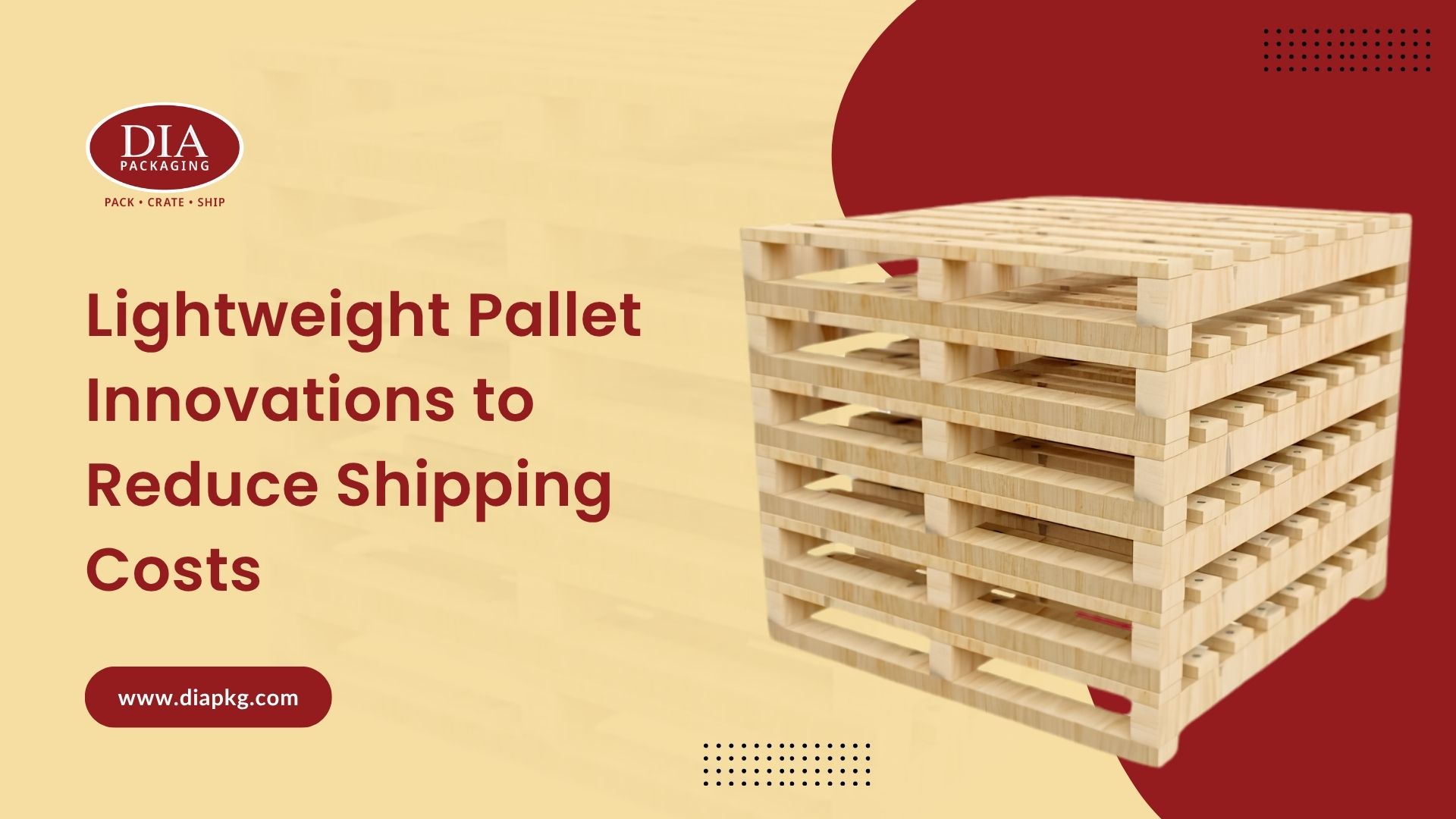
Shipping costs continue to rise for businesses of all sizes. Fuel prices, transportation fees, and storage expenses all affect the final cost of moving products from one place to another.
While many companies focus on packaging and route planning to save money, one important area is often overlooked: pallets.
Pallets are the foundation of modern shipping and warehousing. They support products during storage and transportation.
Traditional wooden pallets have been used for decades, but they are often heavy and can add unnecessary weight to shipments.
Today, businesses are exploring lightweight pallet innovations to lower shipping expenses. These modern pallets are designed to be strong while weighing much less than traditional options.
As a result, companies can move more products, reduce transportation costs, and improve overall efficiency.
This article explains how lightweight pallets work, the materials used, their benefits, and why they are becoming increasingly popular across industries.
Why Pallet Weight Matters
Many businesses focus on the weight of the products being shipped. However, the weight of the pallet also contributes to the total shipment weight.
When pallets are heavier, companies may face:
- Higher transportation costs
- Increased fuel consumption
- Lower cargo capacity
- More strain on workers
- Higher handling expenses
Even a small reduction in pallet weight can create significant savings when thousands of shipments are made each year.
For example, if a company ships hundreds of pallet loads daily, reducing the pallet weight by several kilograms can result in substantial annual transportation savings.
The Shift Toward Lightweight Pallets
The logistics industry is constantly looking for ways to improve efficiency. Lightweight pallets have emerged as a practical solution.
Modern pallet designs focus on:
- Reducing unnecessary material
- Maintaining load strength
- Improving durability
- Supporting sustainability goals
Manufacturers now use advanced materials and smarter designs to create pallets that are both lightweight and reliable.
Common Lightweight Pallet Materials
Plastic Pallets
Plastic pallets have become one of the most popular alternatives to wood.
Benefits include:
- Lower weight
- Resistance to moisture
- Longer lifespan
- Easy cleaning
- Consistent dimensions
Unlike wooden pallets, plastic pallets do not absorb water or develop splinters. This makes them useful in industries such as food processing and pharmaceuticals.
Composite Pallets
Composite pallets combine different materials to achieve strength and weight reduction.
These pallets may include:
- Recycled plastics
- Wood fibers
- Industrial resins
Composite pallets often provide a balance between durability and cost.
Corrugated Paper Pallets
Paper pallets may sound fragile, but modern designs can support surprisingly heavy loads.
Advantages include:
- Extremely lightweight
- Recyclable
- Easy disposal
- Lower shipping costs
These pallets are commonly used for export shipments and lightweight products.
Aluminum Pallets
Aluminum is known for its strength and low weight.
Key benefits include:
- High durability
- Corrosion resistance
- Long service life
- Reduced maintenance
Although aluminum pallets typically cost more upfront, they can provide value over many years of use.
Smart Design Innovations in Lightweight Pallets
Lightweight pallets are not only about materials. Design improvements also play an important role.
Optimized Structural Design
Modern engineering software helps manufacturers identify areas where material can be reduced without affecting strength.
This results in:
- Less overall weight
- Better load distribution
- Improved performance
Hollow Construction
Many lightweight pallets use hollow sections instead of solid structures.
Benefits include:
- Reduced material usage
- Lower manufacturing costs
- Easier handling
Despite being lighter, these pallets can still support substantial loads.
Ribbed Reinforcement Systems
Some pallets include reinforced ribs within their structure.
These ribs help:
- Increase strength
- Prevent bending
- Improve stability
This design allows manufacturers to use less material while maintaining durability.
How Lightweight Pallets Reduce Shipping Costs
Lower Freight Charges
Many transportation providers calculate costs based on weight.
When pallet weight decreases:
- Total shipment weight drops
- Freight expenses may be reduced
- More products can be shipped per load
Over time, these savings can become significant.
Better Fuel Efficiency
Lighter loads require less fuel during transportation.
This helps companies:
- Reduce operating expenses
- Improve transportation efficiency
- Lower environmental impact
For businesses with large distribution networks, fuel savings can be substantial.
Increased Cargo Capacity
A lighter pallet leaves more weight allowance for products.
For example:
| Shipment Component | Traditional Pallet | Lightweight Pallet |
|---|---|---|
| Pallet Weight | 25 kg | 10 kg |
| Product Weight Capacity | Lower | Higher |
| Total Freight Efficiency | Moderate | Improved |
This means businesses can maximize each shipment.
Reduced Labor Costs
Workers often move pallets throughout warehouses and distribution centers.
Lighter pallets:
- Require less physical effort
- Improve handling speed
- Reduce workplace strain
This can improve productivity and workplace safety.
Environmental Benefits
- Sustainability has become a major concern in modern logistics.
- Lightweight pallets support environmental goals in several ways.
Reduced Carbon Emissions
Lighter shipments use less fuel.
This can lead to:
- Lower greenhouse gas emissions
- Reduced environmental impact
- Improved sustainability performance
Recyclable Materials
Many lightweight pallets are made from recyclable materials.
Examples include:
- Recycled plastic
- Corrugated paper
- Composite materials
This helps reduce waste and supports circular economy practices.
Longer Lifespan
Durable lightweight pallets often last longer than traditional wooden pallets.
This means:
- Fewer replacements
- Less material consumption
- Lower long-term waste generation
Industries Benefiting from Lightweight Pallets
Several industries are adopting lightweight pallet solutions.
Retail
Retail companies manage large volumes of inventory.
Lightweight pallets help:
- Lower transportation costs
- Improve warehouse efficiency
- Speed up distribution
Food and Beverage
Food manufacturers often prefer lightweight plastic pallets because they are easy to clean and resistant to moisture.
Benefits include:
- Better hygiene
- Easier maintenance
- Consistent performance
Pharmaceutical Industry
Pharmaceutical companies require strict cleanliness standards.
Lightweight pallets provide:
- Reduced contamination risks
- Easy sanitization
- Reliable product handling
E Commerce
Online retailers ship products constantly.
Using lightweight pallets can help:
- Reduce shipping expenses
- Improve fulfillment efficiency
- Support faster logistics operations
Challenges to Consider
Although lightweight pallets offer many advantages, businesses should evaluate potential challenges before switching.
Initial Investment
Some lightweight pallet options have higher purchase prices than wooden pallets.
However, long-term savings often offset these costs.
Load Requirements
Not every lightweight pallet is suitable for every product.
Businesses should consider:
- Product weight
- Storage conditions
- Transportation methods
Choosing the right pallet type is essential.
Repair Options
Wooden pallets can often be repaired easily.
Some lightweight alternatives may require replacement when damaged.
Companies should consider maintenance and replacement costs during planning.
Tips for Choosing the Right Lightweight Pallet
Before investing in lightweight pallets, businesses should evaluate several factors.
Consider:
- Average shipment weight
- Transportation distance
- Warehouse environment
- Product type
- Reuse requirements
- Sustainability goals
It is also helpful to conduct pilot testing before a full rollout.
Testing allows companies to measure:
- Cost savings
- Durability
- Operational efficiency
- Employee feedback
This approach reduces risk and improves decision making.
The Future of Lightweight Pallet Technology
Innovation in pallet manufacturing continues to grow.
Future developments may include:
- Stronger recycled materials
- Smart pallets with tracking technology
- Improved load monitoring systems
- More sustainable manufacturing methods
As supply chains become more focused on efficiency, lightweight pallets are likely to play an even larger role.
Manufacturers are investing in research to create pallets that are lighter, stronger, and more environmentally friendly.
Conclusion
Lightweight pallet innovations are changing the way businesses manage shipping and logistics. By reducing pallet weight, companies can lower freight costs, improve fuel efficiency, increase cargo capacity, and support sustainability efforts.
Modern materials such as plastic, composites, paper, and aluminum offer practical alternatives to traditional wooden pallets. Combined with smart engineering designs, these solutions help businesses move products more efficiently while controlling costs.
As transportation expenses continue to rise, lightweight pallets represent a simple but effective strategy for improving supply chain performance. Companies that adopt these innovations can benefit from both immediate savings and long-term operational advantages.