Businesses around the world are looking for practical ways to reduce waste and use resources more responsibly. One area that often gets overlooked is packaging and transportation materials. Every day, products move from manufacturers to warehouses, retailers, and customers using a wide range of packaging solutions. Many of these materials are used only once before being discarded.
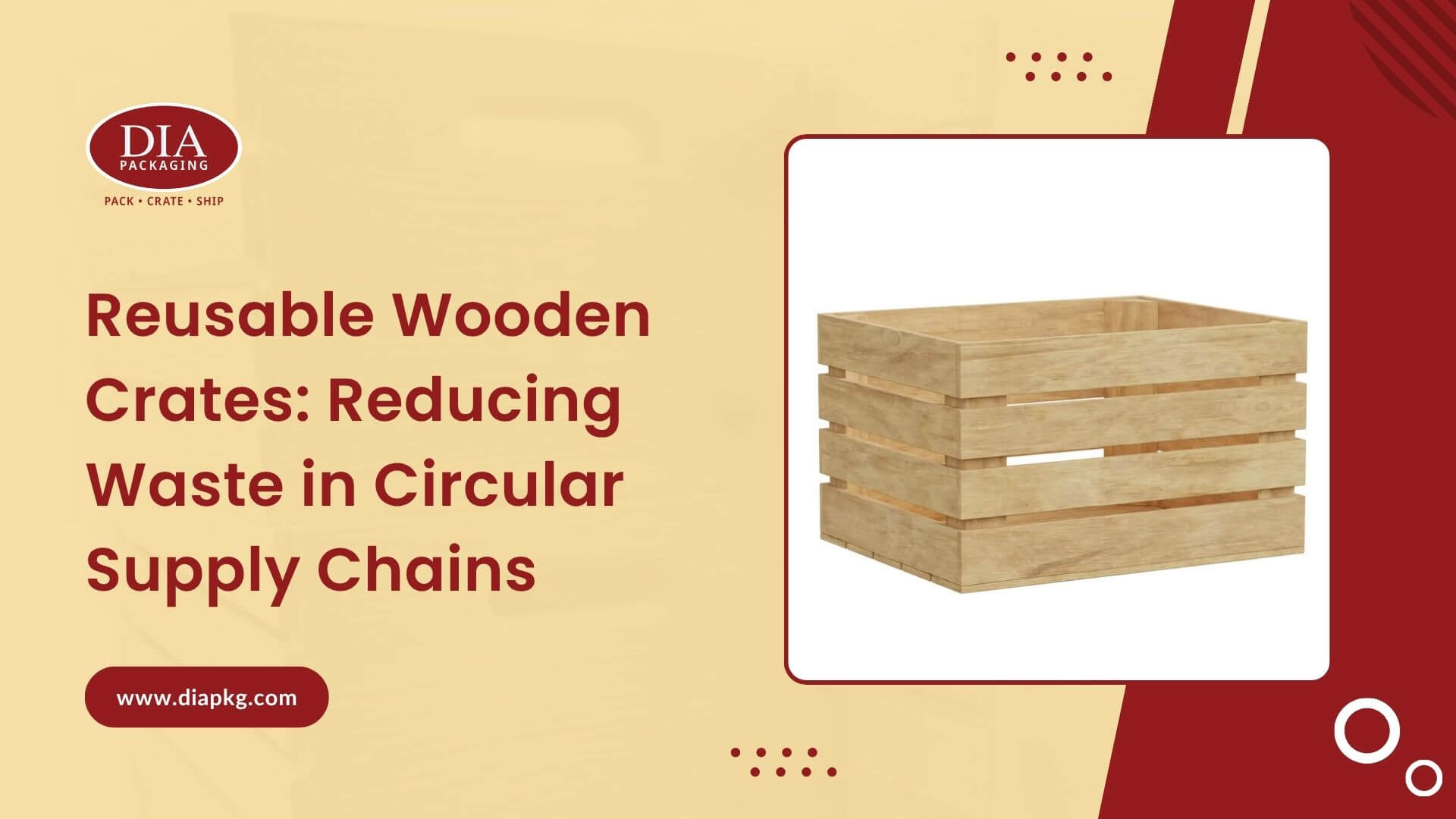
Reusable wooden crates offer a simple yet effective solution to this problem. Unlike single use packaging, wooden crates can be used repeatedly for transporting goods across different stages of the supply chain. Their durability, repairability, and long lifespan make them an important tool in supporting circular supply chains.
As companies seek to improve sustainability while managing costs, reusable wooden crates are becoming a preferred choice across industries such as agriculture, manufacturing, automotive, retail, and logistics.
Understanding Circular Supply Chains
A circular supply chain is a system designed to keep materials and products in use for as long as possible. Instead of following the traditional model of producing, using, and disposing, circular supply chains focus on reusing, repairing, refurbishing, and recycling materials.
The goal is to minimize waste and make better use of resources. Products and packaging are designed to have multiple life cycles rather than ending up in landfills after a single use.
Packaging plays a major role in this process. Since goods are constantly being moved between locations, reusable transport packaging can significantly reduce waste generation. Wooden crates fit naturally into this model because they are built for repeated use and can often be repaired when damaged.
Why Single Use Packaging Creates Waste
Many businesses still rely on disposable packaging materials such as cardboard boxes, plastic wraps, and lightweight containers. While these options may seem convenient, they often generate large amounts of waste.
Single use packaging creates several challenges:
- Frequent replacement increases material consumption.
- Disposal costs continue to rise.
- More waste ends up in landfills.
- Additional energy is needed to manufacture replacement packaging.
- Businesses face growing pressure to meet environmental goals.
When thousands of shipments occur each year, the environmental impact of disposable packaging becomes significant.
Even recyclable materials require collection, sorting, and processing before they can be reused.
Reusable wooden crates help reduce these issues by extending the useful life of packaging materials.
The Benefits of Reusable Wooden Crates
1. Long Service Life
One of the biggest advantages of wooden crates is their durability. High quality wooden crates are designed to withstand repeated transportation cycles. They can carry heavy loads, protect valuable products, and perform well in demanding environments.
Instead of being discarded after a single shipment, the same crate can be used many times. This reduces the need to manufacture replacement packaging and lowers overall resource consumption.
2. Reduced Packaging Waste
Every reuse cycle prevents additional waste from entering the waste stream. Businesses that switch to reusable wooden crates often see a noticeable reduction in discarded packaging materials.
Since the crates remain in circulation for extended periods, fewer materials need to be produced and disposed of over time.
This approach aligns closely with the principles of waste reduction and resource efficiency.
3. Easy Repair and Maintenance
Unlike many disposable packaging solutions, wooden crates can often be repaired rather than replaced.
If a board becomes damaged or a component breaks, it can usually be repaired using simple tools and replacement parts. This ability to extend the life of the crate further reduces waste and improves overall value.
Repairability is one of the key reasons wooden crates support circular supply chain practices.
4. Strong Product Protection
Transportation can expose goods to impacts, vibration, moisture, and rough handling. Wooden crates provide strong protection for products during transit.
Industries transporting machinery, equipment, electronics, agricultural products, and fragile items often choose wooden crates because of their strength and reliability.
Better product protection also reduces losses caused by damaged goods, which contributes to overall resource conservation.
5. Supporting Sustainability Goals
Many organizations have established sustainability targets focused on reducing waste, lowering emissions, and improving resource efficiency.
Reusable wooden crates can contribute to these goals in several ways.
First, they reduce the demand for single use packaging materials. Second, they help decrease waste generation throughout the supply chain. Third, they encourage a more circular approach to packaging management.
Wood is also a renewable resource when sourced from responsibly managed forests. This makes wooden crates an attractive option for companies seeking environmentally responsible packaging solutions.
As sustainability reporting becomes more important, reusable transport packaging can help businesses demonstrate measurable improvements in waste reduction efforts.
6. Cost Savings Through Reuse
While reusable wooden crates may require a higher initial investment than disposable packaging, they often provide long term cost savings.
The cost of packaging should be evaluated over its entire lifespan rather than a single shipment. A crate that can be used dozens or even hundreds of times can offer significant value over time.
Businesses may benefit from:
- Lower packaging replacement costs
- Reduced waste disposal expenses
- Fewer damaged products during transport
- Improved asset utilization
- Better return on packaging investments
Many companies find that the long service life of wooden crates helps offset their initial purchase cost.
Applications Across Different Industries
Reusable wooden crates are used in a wide range of industries because of their versatility.
Agriculture
Farmers and food producers use wooden crates to transport fruits, vegetables, and other agricultural products. The crates can be collected, cleaned, and reused for multiple harvest seasons.
Manufacturing
Manufacturers often move components and finished products between facilities. Reusable crates provide reliable protection while reducing packaging waste.
Automotive
The automotive sector uses wooden crates for transporting parts, engines, and specialized equipment. Their strength makes them suitable for handling heavy loads.
Retail Distribution
Retail supply chains depend on efficient product movement. Reusable wooden crates can support distribution operations while helping retailers reduce packaging waste.
Industrial Equipment
Large machinery and industrial components require durable transport solutions. Wooden crates offer the protection needed for high value shipments.
Challenges and Considerations
Although reusable wooden crates provide many benefits, businesses must plan carefully to maximize their value.
One important factor is crate tracking. Since crates are intended for repeated use, companies need systems to monitor their location and condition.
Return logistics are also important. Crates must be collected and returned for future use. Effective coordination between suppliers, distributors, and customers helps maintain smooth crate circulation.
Regular inspections can ensure that crates remain safe and functional. Damaged units should be repaired promptly to extend their lifespan.
By addressing these considerations, organizations can create efficient reusable packaging programs that support long term sustainability goals.
The Role of Wooden Crates in the Circular Economy
The circular economy aims to reduce waste by keeping materials in productive use for as long as possible. Reusable wooden crates support this objective in a practical and measurable way.
Instead of following a cycle of production, use, and disposal, wooden crates remain part of an ongoing reuse system. They can be repaired when needed and eventually recycled at the end of their service life.
This approach helps conserve raw materials, reduce waste generation, and improve resource efficiency across supply chains.
As more businesses adopt circular economy principles, reusable transport packaging is likely to play an increasingly important role.
Conclusion
Reusable wooden crates offer a practical solution for businesses seeking to reduce waste and support circular supply chains. Their durability, repairability, and long service life make them an effective alternative to disposable packaging materials.
By keeping packaging in use for longer periods, organizations can reduce waste, lower resource consumption, and improve operational efficiency. These benefits extend across industries ranging from agriculture and manufacturing to retail and logistics.
As sustainability continues to influence business decisions, reusable wooden crates represent a simple yet powerful way to support responsible resource management. Companies that embrace reusable packaging systems can move closer to achieving their environmental goals while creating more efficient and resilient supply chains.