Shipping products from one place to another is a common part of many businesses. Products travel by trucks, trains, ships, and planes before they reach shops or customers. During this journey, packages may face rough handling, sudden movements, pressure from other boxes, and changes in weather. Without proper protection, products can get damaged before they reach their destination.
One of the most common ways to protect products during shipping is to use cardboard boxes. Among the many types of cardboard boxes available, Regular Slotted Containers, also known as RSC boxes, are widely used. They are simple, useful, and suitable for packing many kinds of products.
RSC boxes help keep products safe, make packing easier, and allow businesses to use storage and shipping space wisely. However, choosing the right box and packing products correctly are just as important as using a strong box.
This article explains what Regular Slotted Containers are, how they protect products during shipping, and how to use them to reduce damage during transit.
What Are Regular Slotted Containers?
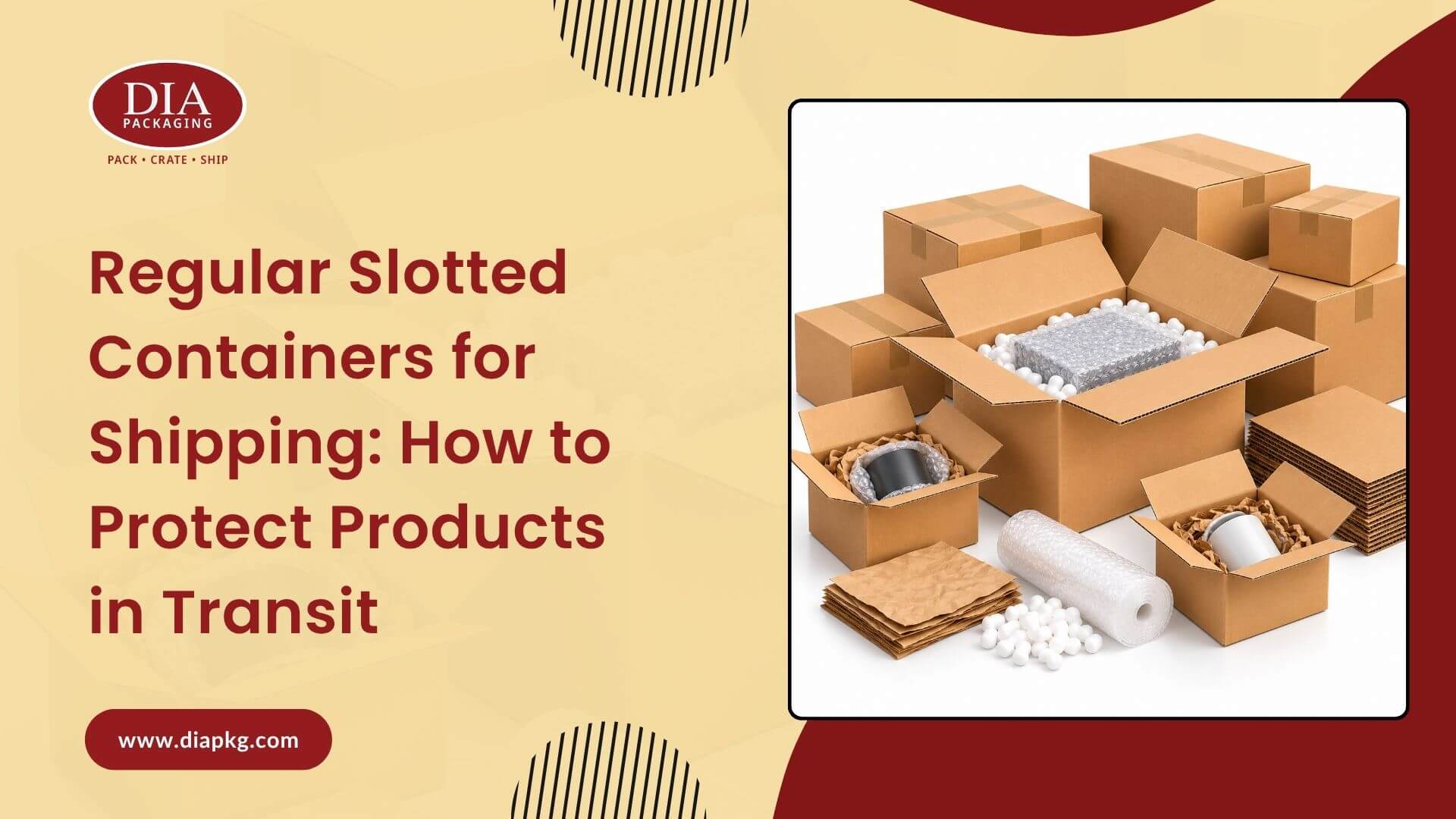
Regular Slotted Containers are cardboard boxes made from a flat sheet of corrugated board. Corrugated board has a wavy layer of paper placed between two flat layers. This design makes the board stronger than a simple sheet of paper and helps it handle pressure.
RSC boxes have four flaps at the top and four flaps at the bottom. The two larger flaps on each side meet in the middle when the box is closed. The smaller flaps fold inward first.
Once the box is filled, the flaps are folded and sealed with packing tape. This creates a closed box that can hold products safely during storage and shipping.
RSC boxes are popular because they have a simple design and are easy to make, store, and use. They are also available in many sizes, which makes them useful for shipping small items, household goods, food packages, electronic products, and many other goods.
Why Product Protection Matters During Shipping
Products can face several risks while moving from a warehouse to their final destination. Even when a package looks fine from the outside, the product inside may have been damaged.
Here are some common problems that can happen during shipping.
1. Rough handling
Packages may be lifted, moved, or placed on the floor many times during their journey. If workers handle them roughly or drop them by mistake, products can break, crack, or become scratched.
2. Pressure from other boxes
Shipping boxes are often stacked on top of one another inside trucks and warehouses. The weight of the boxes above can press down on the lower boxes. If a box is too weak, it may bend or collapse.
3. Sudden movement
Vehicles may stop quickly, turn sharply, or travel over uneven roads. These movements can cause products to shift inside their boxes, especially when there is too much empty space.
4. Moisture and dust
Rain, damp storage areas, and wet floors can weaken cardboard. Dust can also affect products that need to stay clean during shipping.
5. Poor packing
Even a strong box may fail to protect a product if it is packed incorrectly. Loose items can hit one another, while fragile products may break if they do not have enough cushioning.
Understanding these risks helps businesses choose the right box and packing materials for each product.
How RSC Boxes Protect Products During Transit
RSC boxes offer several useful features that help protect products while they travel.
1. They Provide a Strong Outer Layer
Corrugated cardboard forms a protective layer around the product. It helps reduce the effect of small bumps, scratches, and light impacts during handling.
The strength of the box depends on the type of cardboard used, its thickness, and the quality of its construction. Heavier products may need stronger cardboard than lighter items.
For example, a box carrying books may need a different level of strength from a box carrying glass cups. Choosing the right box helps lower the chance of damage.
2. They Help Keep Products in Place
A properly sized RSC box leaves enough room for safe packing without allowing products to move around too much.
If a box is much larger than the product, the item may slide from side to side during transit. This movement can lead to scratches, dents, or breakage.
To prevent this, packers can use paper, cardboard inserts, foam, or other suitable materials to fill empty spaces. These materials help hold the product in place and reduce movement.
3. They Support Safe Stacking
During storage and transport, boxes are often stacked to save space. RSC boxes can handle stacking pressure when the cardboard is strong enough and the boxes are packed correctly.
The weight should be spread evenly, and heavier boxes should generally be placed below lighter ones. This helps reduce the risk of lower boxes becoming crushed.
It is also important not to stack boxes higher than their strength allows. Damaged, wet, or poorly sealed boxes should not be used as the base of a stack.
4. They Help Protect Products from Dust
When an RSC box is properly closed and sealed, it creates a barrier against much of the dust and dirt that products may meet during handling and storage.
This is useful for products such as clothing, books, toys, and household items.
However, cardboard boxes are not fully waterproof or airtight. Products that need special protection from moisture, air, or dirt may require inner bags, plastic wrapping, or other suitable packaging.
5. They Make Packing Easier
RSC boxes have a simple shape and a clear folding pattern. Workers can fold the flaps, place the products inside, and seal the box with tape.
This simple process can help packing teams prepare orders quickly and keep their work organized.
The boxes also arrive flat before use. Flat boxes take up less storage space than ready made boxes, which helps businesses keep their packing areas neat.
How to Choose the Right RSC Box
Choosing the right box is an important step in protecting products. A box that is too weak may collapse, while one that is too large may allow products to move around.
Consider these points before selecting an RSC box.
Product size: Measure the length, width, and height of the product. Choose a box that fits the product and leaves enough room for protective materials.
Product weight: Heavy products need stronger cardboard. Check that the box can carry the product’s weight without bending or breaking.
Product type: Fragile items need extra cushioning. Sharp or heavy objects may need stronger walls and added support to prevent damage.
Shipping distance: Products traveling long distances may pass through several warehouses and vehicles. They may need stronger boxes and better protection than products delivered nearby.
Storage conditions: If packages may face damp conditions, choose suitable moisture protection. Do not depend on cardboard alone to protect products from rain or standing water.
Stacking needs: If boxes will be stacked during storage or transport, choose a box that can handle the expected weight and stacking time.
Taking these points into account can help businesses avoid many common shipping problems.
Best Practices for Packing RSC Boxes
Using a good box is only the first step. The way products are packed also affects how well they survive shipping.
1. Check the Box Before Use
Make sure the box is clean, dry, and free from tears or crushed corners. Do not use boxes that have lost their shape or show signs of damage.
2. Place Protective Material at the Bottom
Add a suitable layer of cushioning before placing the product inside. Paper, foam, or other packing materials can help reduce the effects of small bumps.
3. Wrap Fragile Products Separately
Glass items, ceramic goods, and other breakable products should be wrapped or separated so they do not hit one another. Use dividers when packing several fragile items in the same box.
4. Fill Empty Spaces
Add enough packing material to stop products from moving. Avoid leaving large gaps around the items. At the same time, do not force too much material into the box, as this may put pressure on delicate products.
5. Close and Seal the Box Properly
Fold the smaller flaps inward first, followed by the larger flaps. Use suitable packing tape to seal the centre seam and other areas that need support.
For heavy packages, use a sealing method that suits the box weight and shipping conditions.
6. Label the Package Clearly
Add the delivery address and any required handling instructions. Labels such as “Fragile” or “This Side Up” can guide handlers, although they do not replace proper packing.
7. Test the Packing Method
For products that are easily damaged or shipped in large numbers, test the box and packing materials before sending many orders. A sample package can help reveal weak spots and show whether more protection is needed.
Common Mistakes to Avoid
Some packing mistakes can reduce the protection an RSC box provides.
- Using the wrong size: A box that is too large allows too much movement, while a box that is too small may put pressure on the product.
- Choosing weak cardboard: Thin or damaged cardboard may not support heavy products or stacked loads.
- Skipping cushioning: Products may break or become scratched when they move freely inside the box.
- Using too much weight: Overloading a box can cause its bottom or sides to fail.
- Ignoring moisture: Wet cardboard loses strength, which increases the risk of damage.
- Poor sealing: Loose flaps or weak tape can allow the box to open during handling.
Avoiding these mistakes can help products arrive in better condition and reduce the need for replacements.
Benefits of Using RSC Boxes for Shipping
RSC boxes offer several benefits for businesses of different sizes.
First, their simple design makes them easy to fold, fill, and seal. This helps workers pack products without complicated steps.
Second, they are available in many sizes and strengths, so businesses can choose boxes that suit different products.
Third, their flat shape before assembly helps save storage space. This is especially useful for warehouses that keep large numbers of empty boxes.
Finally, corrugated cardboard can often be recycled where suitable collection services are available. Reusing clean boxes when appropriate and choosing the correct box size can also help reduce packaging waste.
The main benefit is that a well chosen and correctly packed RSC box can help lower product damage during shipping.
Conclusion
Regular Slotted Containers are a simple and practical way to protect products during transit. Their corrugated cardboard walls provide support, their flaps allow easy closing, and their design makes them suitable for many types of goods.
However, the box alone cannot prevent every kind of damage. Businesses must also choose the right size and strength, add suitable cushioning, seal the package properly, and consider the conditions the package may face during its journey.
By following these basic steps, businesses can reduce shipping damage, avoid unnecessary costs, and help customers receive their products in good condition.
A well packed box does more than hold a product. It helps protect the time, effort, and money spent making that product, while making sure it reaches the customer as safely as possible.