Corrugated packaging, commonly seen in boxes that hold everything from household products to electronics, has become a backbone of the global shipping industry. Its strength, versatility, and eco-friendly nature make it one of the most popular choices for packaging.
But how does corrugated packaging manage to stay so strong and durable? What makes it able to withstand the rough handling that occurs during transportation? The answer lies in a combination of material properties, design, and technology that work together to create a reliable packaging solution.
In this article, we will explore the science behind corrugated packaging, uncovering the methods used to make it stronger, more durable, and able to protect items during transit.
What Is Corrugated Packaging?
Before we dive into the science, let’s first define what we mean by “corrugated packaging.” Corrugated packaging refers to the type of box made from corrugated cardboard. This cardboard is made up of three layers:
- The linerboard – This is the smooth outer surface of the box.
- The medium – This is the wavy, fluted layer sandwiched between the two linerboards.
The medium layer is what gives corrugated packaging its strength. It’s create by shaping paper into a wavy pattern, which increases its surface area and strength. The unique structure of this paper helps it to absorb shocks and provide better protection to the items inside.
The Role of Paper in Strength and Durability
The primary material in corrugated packaging is paper, often made from wood pulp or recycled paper. The quality of the paper plays a significant role in how strong and durable the final product will be.
The fibers in the paper are interwoven, which allows for greater tensile strength and flexibility.
Here are a few key points about the paper used in corrugated packaging:
- Fiber Quality: Stronger fibers result in stronger paper. The longer and more tightly packed the fibers are, the stronger the material. Some high-quality corrugated packaging uses virgin wood fibers to create a strong bond between the layers.
- Recycled Paper: Many corrugated boxes are made from recycled paper, which can still maintain a high degree of strength. The recycling process can slightly shorten the length of the paper fibers, but modern techniques have made it possible to create durable packaging from recycled materials as well.
- Pulp Processing: The process used to turn wood into pulp also affects the strength of the paper. The more refined the pulp is, the stronger the resulting paper becomes.
The Impact of Fluting – Structural Strength: Flute Types Explained
One of the most important components of corrugated packaging is the medium, which is made up of the fluted paper. The fluting gives the cardboard its characteristic wavy appearance and plays a huge role in its durability. The structure of the fluting makes the material more rigid and helps it to resist compression.
The height of the flutes, the type of paper used, and the flute configuration (A-flute, B-flute, C-flute, etc.) all have an impact on the box’s strength and durability. Here’s how the different flute types compare:
- A-flute: This is the thickest type of flute, providing excellent cushioning. It is commonly used for products that need extra protection, like glass or delicate electronics.
- B-flute: Slightly thinner than A-flute, B-flute offers good stacking strength and crush resistance. It is typically used for lightweight products or when boxes need to be stacked.
- C-flute: This is a combination of A and B-flute, providing a balance between strength and cushioning. It’s commonly used for general shipping needs.
- E-flute: These flutes are much smaller and finer, giving excellent printability and a smooth surface. E-flutes are often used in retail packaging for items that will be displayed in stores.
| Flute | Thickness (in mm) | Uses | Strength Profile |
|---|---|---|---|
| A | ~4.8 | Fragile items, cushioning | Excellent cushioning |
| B | ~2.5 | Cans, retail boxes | High crush resistance |
| C | ~3.6 | Shipping boxes, general use | Good all-round performance |
| E | ~1.2 | Small retail or display packs | Lightweight and print-friendly |
| F | ~0.8 | Folding cartons | Thin, good for fine printing |
Flute type, along with the number of layers, directly impacts how much weight a box can hold and how well it protects its contents.
The Importance of Linerboard
The two smooth layers of linerboard in corrugated packaging are just as important as the fluted medium. The linerboard is usually made from a denser paper material than the medium layer. It provides a flat, protective surface that helps prevent tearing or puncturing.
Linerboard is also responsible for the box’s resistance to bending, which is crucial when boxes are stacked on top of each other. The strength of the linerboard material, its thickness, and its bonding with the medium layer are all factors that contribute to the overall strength and durability of the box.
Double-Wall & Triple-Wall: When One Layer Isn’t Enough
When products are heavy or sensitive, multi-wall corrugated boards are the go-to solution. These structures stack two or three layers of fluting and liners.
Double-Wall (e.g. BC Flute):
- Combines two different flute types for strength + cushioning
- Used in automotive, appliances, and bulk packaging
Triple-Wall:
- Three fluted mediums + four liners
- Extremely strong can replace wooden crates in some applications
How Modern Technology Improves Durability
The science behind corrugated packaging doesn’t stop with the materials. Advances in technology have also played a major role in improving the strength and durability of these boxes.
Some of the key technological innovations include:
- Better Adhesives: The glue used to bond the layers of a corrugated box has evolved significantly. Modern adhesives are stronger and more durable, ensuring that the layers stay together under stress.
- Improved Manufacturing Processes: High-speed, precision machinery has made it easier to create corrugated boxes with more uniform layers and more precise fluting patterns. This means that the packaging is more consistent, and therefore, stronger.
- Coatings and Treatments: Corrugated boxes can be treated with special coatings to improve their resistance to moisture, oils, and other external factors. For instance, water-resistant coatings are used for boxes that will be exposed to rain or moisture during transportation. Anti-static treatments are also applied to boxes used to transport electronics, preventing damage from static electricity.
- Customization for Specific Uses: Today’s corrugated packaging can be customized with different flute types, linerboard materials, and coatings based on the specific needs of the product being shipped. For example, delicate items like wine bottles may require specialized cushioning, while heavier items like machinery parts might need thicker fluting for better support.
The Role of Design in Strength and Durability
The design of a corrugated box plays a crucial role in its ability to protect items during transit. When designing a box, several factors are considered to optimize strength and durability:
- Structural Design: The way a box is folded, sealed, and reinforced will influence its overall strength. Some boxes feature additional creases or reinforced corners that prevent collapsing or crushing.
- Size and Fit: A box that is too large or too small for the item inside can compromise the protection. An optimally sized box ensures that the item is secure and doesn’t shift during transit.
- Stacking Strength: The design of a box is also important for how well it stacks during shipping. Boxes that are poorly designed might buckle under the weight of other boxes, causing the contents to be damaged. Proper design helps to distribute weight evenly and prevent crushing.
Testing and Quality Control
Before corrugated packaging hits the market, it undergoes a series of rigorous tests to ensure it meets industry standards for strength and durability. Common tests include:
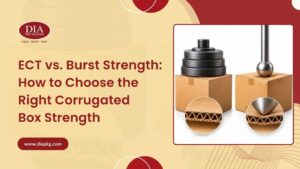
- Edge Crush Test (ECT): This measures the box’s ability to withstand pressure from the sides, simulating the weight of stacked boxes.
- Bursting Strength Test: This test measures the box’s resistance to puncture or rupture when subjected to pressure.
- Compression Test: This evaluates how well the box can handle vertical pressure, simulating the weight of other items stacked on top during transport.
These tests help manufacturers ensure that their boxes are up to the task of protecting products during shipping.
The Future of Corrugated Packaging
As e-commerce continues to grow and demand for sustainable solutions increases, the future of corrugated packaging looks bright. Advances in materials, design, and manufacturing processes will continue to make corrugated packaging stronger, more durable, and environmentally friendly.
New innovations, such as biodegradable or plant-based materials, are being explored to further enhance the sustainability of corrugated packaging. Additionally, the integration of smart technologies like RFID tags is being tested to provide more efficient tracking and management of packaging throughout the supply chain.
Durability doesn’t have to come at an environmental cost. Corrugated packaging is:
- 100% recyclable
- Often made with up to 90% recycled content
- Biodegradable and compostable (uncoated)
- Accepted in most curbside recycling programs
Unlike plastic packaging, which can take centuries to break down, corrugated materials decompose naturally and leave minimal environmental footprint.
In 2024, the global corrugated box recycling rate was over 92% in the U.S. alone.
Final Thoughts
Corrugated packaging has become one of the most reliable and go-to solutions for shipping products worldwide. The reason it’s so strong and durable comes down to the quality of the materials, the clever design of the box, and the technology used to make it. From the choice of paper and the structure of the fluting to the modern adhesives and coatings, every little detail plays a part in making sure these boxes can survive the bumps and bruises of transit.
No matter what industry you’re in whether it’s e-commerce, manufacturing, retail, or food services sturdy corrugated packaging isn’t just a box, it’s a key advantage in the market.
And with technology always improving, the durability and flexibility of corrugated packaging will keep getting better. This means it’ll only become more essential for businesses and consumers in the years to come.