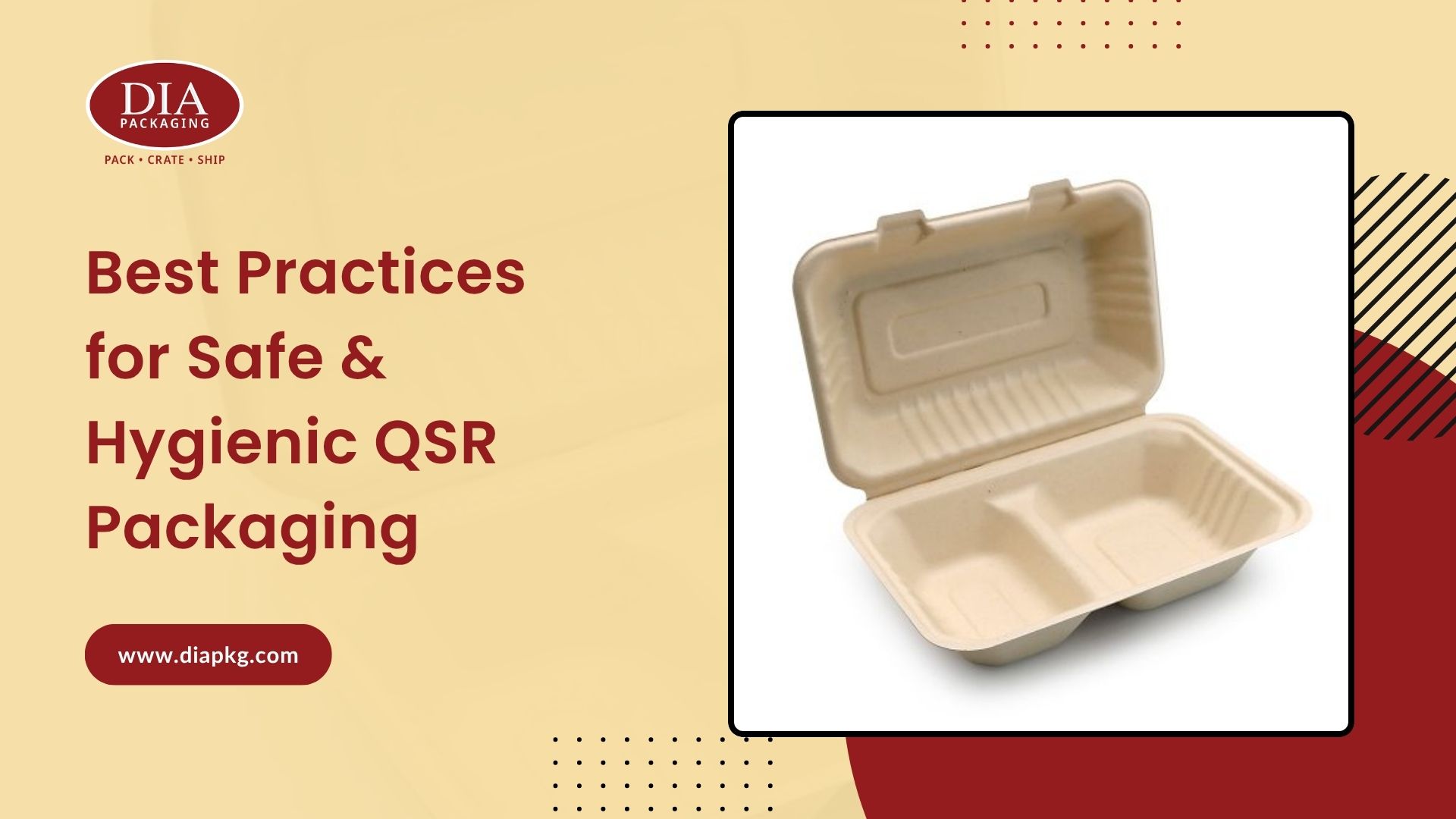
When people order food from a Quick Service Restaurant, they expect it to be fresh, tasty, and safe to eat. Good food is important, but the packaging is just as important. It helps protect the food from dirt, germs, and damage while it is being prepared, packed, and delivered.
Safe and hygienic packaging keeps food clean from the kitchen to the customer’s hands. It also helps restaurants build trust. When customers receive food in clean and well sealed packaging, they feel more confident about the quality of the meal.
In this article, we will look at the best practices for safe and hygienic QSR packaging. These simple steps can help restaurants serve better food and create a great experience for every customer.
Choose Food Safe Packaging Materials
The first step is choosing packaging that is made for food. Not every type of paper, plastic, or cardboard is safe for storing meals. Food packaging should be made from materials that do not affect the taste, smell, or quality of the food.
The packaging should also be strong enough to hold hot, cold, dry, or oily food without breaking or leaking. Using good quality materials helps keep the food fresh and safe during transport.
Restaurants should buy packaging from trusted suppliers who follow food safety rules.
Keep Packaging in a Clean Place
Even the best packaging can become dirty if it is not stored properly. Packaging should always be kept in a clean, dry place away from dust, insects, and moisture.
Boxes, cups, lids, and containers should stay covered until they are ready to be used. This helps prevent dirt and germs from getting on them.
The storage area should also be cleaned regularly. Staff should check for signs of water damage or pests that could affect the packaging.
Train Staff on Hygiene
Employees play a big role in keeping food packaging safe. They should wash their hands before touching food or packaging. Clean hands help reduce the spread of germs.
Workers should also wear clean uniforms and follow the restaurant’s hygiene rules. If someone is sick, they should avoid handling food and packaging until they are well.
Regular training helps staff understand why hygiene matters and how their actions affect customer safety.
Use Gloves When Needed
Gloves can help keep food clean when staff use them the right way. However, gloves only work if staff change them often. Wearing the same gloves for a long time can spread germs from one surface to another.
Employees should wash their hands before putting on gloves. They should also change gloves after handling money, cleaning surfaces, or touching anything that is not food safe.
Using gloves the right way is an extra step that helps protect customers.
Seal Packaging Properly
Food should be packed in containers that close tightly. A good seal helps keep out dust, insects, and outside dirt. It also reduces the chance of spills during delivery.
For delivery orders, sealed packaging helps customers trust that no one opened their food after it left the restaurant.
Staff should make sure the lids fit well and seal the bags before sending the food out of the kitchen.
Prevent Leaks and Spills
Nobody likes receiving food that has leaked inside the delivery bag. Leaks make the food look messy and may affect its quality.
Restaurants should choose containers that match the type of food they are serving. Soups need leak resistant containers. Burgers need wrappers that hold them together without making them soggy. Drinks should have secure lids to prevent spills.
Using the right packaging for each menu item helps keep food fresh and attractive.
Separate Different Types of Food
Some foods should never be packed together. Hot food can make cold food warm. Wet food can make dry food soft. Strong smells can also move from one item to another.
Restaurants should pack different foods in separate containers whenever possible. This helps each item stay fresh and keeps its original taste and texture.
It also reduces the risk of mixing ingredients that some customers may not be able to eat.
Protect Food During Delivery
Food often travels several miles before reaching the customer. During this time, it may be moved, stacked, or carried over rough roads.
Strong packaging helps protect the food from getting crushed or damaged. Delivery bags should also keep food at the right temperature for as long as possible.
Restaurants should work with delivery staff to make sure they handle the food carefully from pickup to delivery.
Check Packaging Before Use
Staff should check every piece of packaging before using it. They should throw away containers with cracks, tears, stains, or broken lids.
Damaged packaging may not protect the food properly. It can also leave a bad impression on customers.
A quick inspection only takes a few seconds but can prevent many problems.
Label Food Clearly
Labels help customers know what is inside the package. They are especially useful when people order several meals at once.
Labels can include the food name, order number, packing time, or special instructions. This helps reduce mistakes and makes it easier for customers to find the right meal.
If the food contains common allergens, clear labels can also help customers make safe choices.
Keep Hot and Cold Foods at the Right Temperature
Packaging should help food stay at a safe temperature until it reaches the customer.
Hot meals should stay hot, while cold items should stay cold. Choosing containers that help keep the right temperature improves both food safety and customer satisfaction.
Restaurants should avoid leaving packed food sitting for too long before it is pickup.
Reduce Direct Contact with Food
The fewer times food touched, the lower the chance of contamination.
Using serving tools such as tongs, scoops, or food paper helps reduce direct hand contact. Staff should avoid touching the inside of cups, lids, or containers where food will be placed.
Simple habits like these help keep meals cleaner.
Use Packaging That Is Easy to Handle
Customers appreciate packaging that is simple to open and carry. Containers should be easy to hold without spilling. Lids should stay closed during transport but still be easy to remove when it is time to eat.
Good packaging improves the overall dining experience and leaves a positive impression.
Clean Packing Stations Regularly
Staff should keep the food packing area clean at all times. They should clean counters, tools, and equipment often during the day.
They should wipe up spills right away to stop germs from spreading.
A clean packing area supports safe food handling and helps maintain high hygiene standards.
Listen to Customer Feedback
Customers often notice things that restaurants may miss. If people report leaking containers, damaged packaging, or food arriving cold, these comments should be taken seriously.
Regular feedback helps restaurants improve their packaging choices and service.
Making small changes based on customer experiences can lead to better results over time.
Conclusion
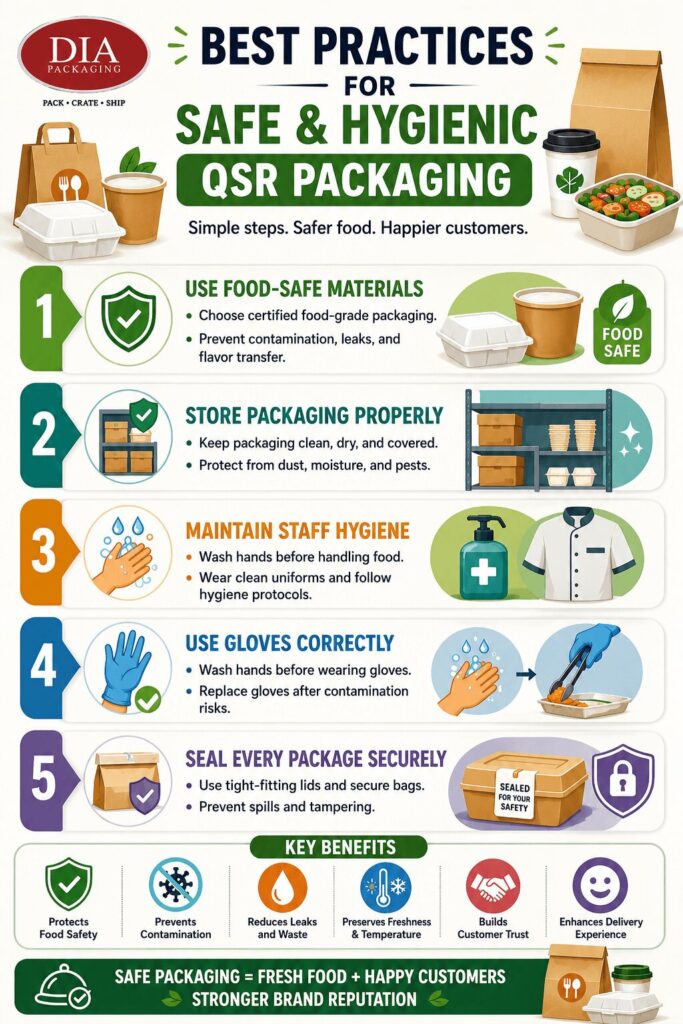
Safe and hygienic QSR packaging is an important part of serving quality food. It protects meals from dirt, damage, and contamination while helping customers enjoy fresh and clean food every time they order.
Simple steps such as using food safe materials, storing packaging correctly, training staff, sealing containers properly, and keeping packing areas clean can make a big difference.
Customers remember restaurants that deliver clean, fresh, and well packed meals. By following these best practices, QSR businesses can improve customer trust, reduce food safety risks, and provide a better dining experience from the kitchen to the customer’s doorstep.