The fast moving consumer goods industry, also called FMCG, deals with products people use every day. These include food, drinks, soap, shampoo, toothpaste, and cleaning items. These products sell very quickly, so companies must move them from factories to shops without delay.
A smooth supply chain is very important in this process. A supply chain means all the steps used to move products from one place to another. It includes packing, storing, loading, and delivery to stores. If one step slows down, products may not reach shops on time.
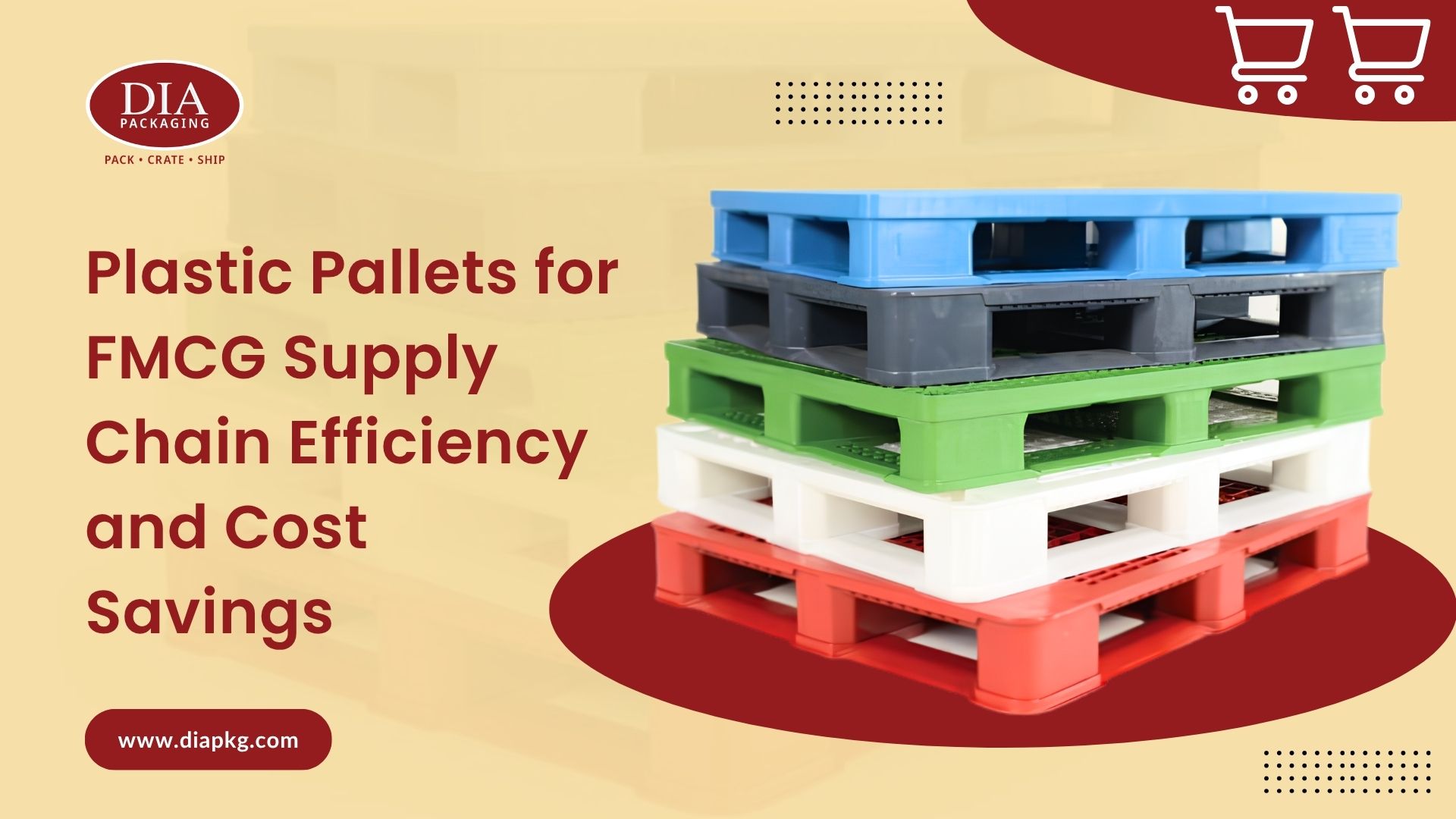
One important tool used in this process is the pallet. A pallet is a flat base used to stack and carry boxes. Workers use machines like forklifts to lift and move them easily.
Today, many companies prefer plastic pallets instead of wooden ones. Plastic pallets are strong and last a long time. They help keep products safe while they are being moved or stored.
They also reduce the chance of damage. This means fewer broken items and less waste. Cleanliness is another big benefit. Plastic pallets are easy to wash and do not soak up dirt or water.
They also help improve safety for workers. Unlike wood, they do not have sharp nails or rough edges.
Even though plastic pallets may cost more at first, they help save money over time. Companies spend less on repairs and replacements. They also lose fewer products due to damage.
Because of these benefits, plastic pallets are becoming a common choice in FMCG supply chains. They help companies move goods faster, safer, and in a more organized way.
What Is a Plastic Pallet?
A plastic pallet is a flat platform made from strong plastic materials. It supports boxes, cartons, and other products during storage and transportation.
Workers use forklifts or pallet jacks to lift and move loaded pallets. This makes handling faster and easier.
Plastic pallets come in different sizes and designs. Businesses can choose the right type based on the weight of their products and the way they move goods.
Why the FMCG Industry Needs Strong Pallets
FMCG products move quickly through the supply chain. A single product may travel from a factory to a warehouse, then to a distribution center, and finally to a retail store.
This means pallets are used many times every day.
If a pallet breaks during transport, products may fall and become damaged. This creates waste and delays. It also increases costs for the business.
Strong and reliable pallets help keep products safe throughout the journey.
Better Durability Means Longer Life
One of the biggest advantages of plastic pallets is their strength.
Unlike wood, plastic does not crack easily. It also does not break because of nails or loose boards. This allows plastic pallets to handle repeated use without losing their shape.
A good quality plastic pallet can last for many years when used properly.
Although the buying cost may be higher at first, the longer lifespan helps companies save money over time because they replace pallets less often.
Cleaner and More Hygienic
Cleanliness is very important in the FMCG industry, especially for food, drinks, and personal care products.
Plastic pallets have a smooth surface that is easy to wash. They do not absorb water, oils, or chemicals. This helps prevent dirt and bacteria from building up.
Wooden pallets can collect moisture and may become a place for mold or insects.
Using plastic pallets helps businesses maintain cleaner storage areas and meet hygiene standards more easily.
Lower Product Damage
Damaged products cost companies money. They also reduce customer satisfaction.
Plastic pallets have smooth edges and even surfaces. This lowers the chance of cartons getting torn or crushed during handling.
Since plastic pallets do not have loose nails or broken boards, products stay better protected.
Less product damage means fewer returns, fewer complaints, and lower replacement costs.
Easier to Handle
Plastic pallets are designed for easy movement.
Many models have a lighter weight than wooden pallets. This makes lifting and moving them easier for workers and equipment.
Their uniform shape also allows forklifts and pallet jacks to pick them up smoothly.
When workers spend less time handling goods, businesses can complete daily operations faster.
Better Performance in Warehouses
Modern warehouses depend on organized storage systems.
Plastic pallets have consistent sizes and shapes. This allows them to fit well in storage racks and automated systems.
Because every pallet is made to the same standard, products stay balanced during storage.
This improves warehouse safety and helps businesses use available space more efficiently.
Suitable for Different Weather Conditions
FMCG products often travel through different climates.
Some shipments pass through hot summers, rainy seasons, or cold storage rooms.
Plastic pallets perform well in many weather conditions. They do not absorb water during rain or become weak because of moisture.
This makes them a dependable choice for both indoor and outdoor use.
Lower Maintenance Costs
Wooden pallets often need repairs.
Broken boards, damaged corners, and loose nails require regular fixing. These repairs take time and increase operating costs.
Plastic pallets need very little maintenance.
If handled correctly, they remain in good condition for years without frequent repairs.
This allows businesses to spend less on pallet maintenance and focus on daily operations.
Improved Safety for Workers
A safe workplace is important for every company.
Wooden pallets may have splinters, exposed nails, or broken pieces. These can cause injuries while workers lift or move products.
Plastic pallets have smooth surfaces with no sharp edges.
This creates a safer working environment and reduces the risk of accidents.
Helps Reduce Transportation Costs
Transportation is one of the biggest expenses in the FMCG industry.
Lighter pallets can help reduce the total weight of shipments.
When trucks carry less weight, businesses may lower fuel use and improve transport efficiency.
Plastic pallets also stack neatly when empty. This allows companies to transport more empty pallets in one trip, reducing return shipping costs.
Supports Repeated Use
Many FMCG companies operate closed loop supply chains.
In this system, pallets move between factories, warehouses, and distribution centers before returning for reuse.
Plastic pallets are well suited for this process because they can complete many trips without major damage.
Their long service life provides better value for companies that use pallets every day.
Environment Friendly Choice
Many people think wood is always the greener option. However, plastic pallets can also support environmental goals.
Because they last longer, fewer pallets need to be manufactured over time.
Many plastic pallets are also made from recycled materials. At the end of their useful life, they can often be recycled again.
This helps reduce waste and supports responsible resource use.
Saves Money Over Time
Some businesses hesitate because plastic pallets cost more at the beginning.
However, the total cost tells a different story.
Plastic pallets usually last much longer than wooden ones. They require fewer repairs, reduce product damage, and lower replacement costs.
They also improve warehouse efficiency and reduce cleaning work.
When all these savings are added together, many companies find that plastic pallets offer better long term value.
Choosing the Right Plastic Pallet
Not every pallet is the same.
Businesses should consider the weight of their products, storage methods, and transport needs before making a choice.
For example, heavy goods require stronger pallets. Export shipments may need pallets that meet international shipping requirements.
Choosing the right pallet helps businesses get the best performance and the greatest return on their investment.
Conclusion
Plastic pallets are now widely used in FMCG supply chains. FMCG means fast moving consumer goods. These are everyday items like food, drinks, soaps, and cleaning products.
These pallets help companies move goods in a safe and simple way. They carry boxes from one place to another without damage.
Plastic pallets are strong and last for many years. This means companies do not need to replace them often. They are also easy to clean, which keeps products safe and hygienic.
They help reduce damage to goods during transport. This means fewer broken items and less waste. Workers also find them safer to handle because they do not have sharp nails or rough edges.
At first, plastic pallets may cost more than wooden ones. But over time, they help save money. Companies spend less on repairs and replacements. They also lose fewer products due to damage.
Because of all these benefits, plastic pallets are a smart choice for modern supply chains. They help businesses work faster, safer, and in a more organized way.