Nowadays, customers are more concerned than ever about the environmental and health impact of the products they use. For Quick Service Restaurants Packaging (QSRs), this concern is especially important when it comes to packaging. Traditional packaging materials, such as plastic, often contain harmful chemicals that can leach into food and harm the environment. This has led many businesses to reconsider their packaging choices and look for non-toxic alternatives. Choosing non-toxic packaging for your QSR can not only help protect your customers but also contribute to a healthier planet.
This article will walk you through the steps of selecting non-toxic packaging for your QSR business, helping you make informed choices that align with both customer expectations and environmental responsibility.
What is Non-Toxic Packaging?
Non-toxic packaging refers to materials that are free from harmful chemicals, substances, and additives that could potentially harm consumers, workers, or the environment. It avoids the use of materials like certain plastics (BPA, phthalates), harmful dyes, and other synthetic chemicals that can negatively affect health and the planet. Non-toxic packaging is usually biodegradable, recyclable, or compostable, making it a sustainable alternative to traditional packaging materials.
Why is Non-Toxic Packaging Important?
There are several reasons why non-toxic packaging should be a priority for your QSR business.
1. Health and Safety Concerns
Certain chemicals used in food packaging can leach into the food, especially when exposed to heat. For example, Bisphenol-A (BPA), commonly found in plastic containers, is linked to various health issues, including hormone disruption and increased cancer risks. By using non-toxic packaging, you eliminate these risks for your customers.
2. Environmental Impact
Traditional packaging materials, especially plastics, contribute to long-term environmental harm. They take hundreds of years to decompose, pollute oceans and rivers, and pose a threat to wildlife. Non-toxic packaging is often biodegradable or recyclable, helping to reduce waste and lessen your business’s environmental footprint.
3. Brand Image and Consumer Loyalty
More consumers are looking for businesses that prioritize sustainability. Offering non-toxic packaging can enhance your brand’s reputation and attract eco-conscious customers. This can also help foster customer loyalty, as people appreciate businesses that take their health and the environment seriously.
4. Compliance with Regulations
Governments around the world are increasingly regulating the use of harmful chemicals in packaging. By choosing non-toxic alternatives, your business can stay ahead of these regulations and avoid potential legal issues in the future.
Types of Non-Toxic Packaging Materials for Your QSR Business
Now that you understand the importance of non-toxic packaging, let’s dive into some of the best options for your QSR business.
1. Paper-Based Packaging
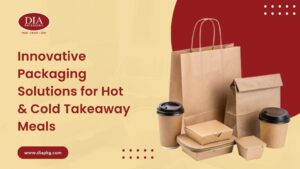
Paper is one of the most common non-toxic packaging materials used in QSRs. It is biodegradable, recyclable, and often comes from renewable resources like trees or recycled paper. Common paper-based options include:
Paper Bags: Used for sandwiches, burgers, and fries.
Cardboard Containers: Suitable for pizza, salads, or takeaway meals.
Paper Straws: An alternative to plastic straws that won’t harm the environment.
Make sure the paper products you choose are free from harmful coatings, such as those containing PFAS (Perfluoroalkyl substances), which are used for water and grease resistance. Look for “eco-friendly” certifications like FSC (Forest Stewardship Council), which ensures that the paper comes from responsibly managed forests.
2. Biodegradable Plastics (PLA)
PLA (polylactic acid) is a biodegradable plastic made from renewable resources like corn or sugarcane. PLA packaging can break down in composting environments, making it a safer choice for the planet than traditional petroleum-based plastics.
You can find PLA containers for salads, bowls, and even cutlery. PLA is also often used for beverage cups and lids. While PLA is compostable, it requires specific conditions to break down properly, so you may need a commercial composting facility for disposal.
3. Glass Containers
A Glass is an excellent non-toxic packaging material because it is natural, non-reactive, and doesn’t leach harmful chemicals into food. Glass containers are ideal for sauces, dressings, and beverages. Though heavier than plastic, glass can be reused and recycled infinitely without losing quality, making it an environmentally friendly choice.
The main downside of glass is its breakability and higher cost compared to plastic. However, for businesses aiming to offer premium quality or more eco-conscious customers, glass can be an appealing option.
4. Aluminum Containers
Aluminum is another sustainable option that is both lightweight and recyclable. It’s commonly used for beverage cans, food containers, and trays. Aluminum is non-toxic, and it can be recycled repeatedly without losing quality. While it still has some environmental impact due to the energy required in production, it remains a popular choice for eco-conscious packaging due to its recyclability.
When selecting aluminum packaging, ensure it is free from harmful coatings or additives that might affect the food inside.
5. Edible Packaging
Though still emerging in the market, edible packaging is a truly innovative way to reduce waste. Made from natural ingredients like rice, seaweed, or potatoes, edible packaging can be used for items like wraps, snacks, or even desserts. Customers can eat the packaging itself, reducing waste and providing a fun, unique experience.
While this option is still in the early stages of widespread use, it’s something to keep in mind for future packaging strategies.
How to Choose the Right Non-Toxic Packaging for Your QSR
Choosing the right non-toxic packaging for your QSR business can be overwhelming with so many options available. Here are some factors to consider to help you make the best decision:
1. Consider the Type of Food You Serve
The type of food you serve will largely determine the packaging you need. For example, hot foods like pizza or burgers might require heat-resistant packaging, while cold foods like salads and beverages may have different needs. Choose packaging that maintains the freshness and quality of the food while ensuring it’s non-toxic.
2. Check for Certifications
Look for certifications that ensure your packaging meets environmental and health standards. Some helpful certifications to consider are:
- FSC Certification: For paper and cardboard products that come from responsibly managed forests.
- Compostable/Industrial Composting: For packaging made from biodegradable materials like PLA.
- Recyclable Symbol: Indicates the packaging is recyclable.
These certifications provide transparency and peace of mind for both your business and your customers.
3. Think About Storage and Durability
While non-toxic packaging is a priority, you also want to choose materials that can withstand the rigors of food service. Consider factors like durability, storage space, and whether the packaging can hold up under heat or moisture. Some eco-friendly materials might not be as sturdy as traditional plastics, so it’s essential to find a balance.
4. Consider Cost and Supplier Options
The cost of non-toxic packaging can vary depending on the materials and suppliers you choose. While biodegradable or compostable packaging may be more expensive than traditional plastic, the long-term benefits to your brand and the environment may justify the extra cost. Additionally, suppliers that specialize in sustainable packaging may offer bulk discounts or customizable options for your business.
5. Incorporate Customer Feedback
Your customers’ preferences and opinions should also play a role in your packaging decisions. Consider conducting surveys or simply asking customers how they feel about the packaging used for their meals. If they appreciate the eco-friendly effort, you may gain a loyal customer base that supports your business’s sustainability goals.
Conclusion
Choosing non-toxic packaging for your QSR business is an essential step in ensuring that you’re offering a product that is both safe for your customers and environmentally responsible. The materials you select not only impact the health of those consuming your food but also play a role in shaping the reputation of your business. With so many eco-friendly options available, it’s easier than ever to make the switch to non-toxic packaging. Whether you opt for paper, biodegradable plastics, glass, or aluminum, you can be confident that your choice will contribute to a healthier planet and a more sustainable future.