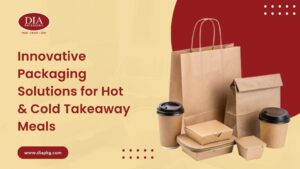
In the fast-food industry, speed, convenience, and consistency are key. Quick Service Restaurants (QSRs) know this better than anyone and over the years. they have fine-tuned their operations to deliver meals to customers in record time.
However, beyond the food itself, another crucial element of success in QSRs is how their food is packaged. While packaging may seem like a minor detail, it actually plays a significant role in shaping a brand’s identity and influencing customer behavior.
Branded QSR packaging is not just a way to wrap up food, it’s a powerful marketing tool that can boost recognition, reinforce brand values and even create memorable customer experiences.
1. Brand Recognition: The Power of Consistency
Customers have numerous choices when it comes to where to eat in the highly competitive food industry of today. Customers may become overwhelmed by the variety of options available, whether they are at a coffee shop or a burger joint. Branded packaging can help with that.
When a QSR uses distinctive, branded packaging, it instantly stands out. Think about a famous fast-food chain, and you likely have a vivid image of their packaging in your mind. McDonald’s golden arches, Starbucks’ iconic green cups or Taco Bell’s colorful wrappers they are all examples of how packaging can help make a brand instantly recognizable.
Branded packaging creates a visual link between the food and the restaurant’s name. It helps customers associate the food they’re eating with a particular brand, even before they taste it. Over time, this repeated exposure builds familiarity, which makes the brand more memorable and encourages customer loyalty.
2. A Vehicle for Brand Messaging
Packaging offers QSRs an opportunity to communicate much more than just the contents of the meal. Through the use of colors, logos, slogans, and even messaging on the packaging itself, restaurants can express their values, mission, and personality. For example, a QSR might use its packaging to highlight its commitment to sustainability by printing messages about eco-friendly practices or offering reusable packaging options.
For instance, McDonald’s has been promoting its sustainability efforts through eco-conscious packaging made from recycled materials. This not only reduces waste but also reflects the brand’s commitment to environmental responsibility, a key concern for today’s more eco-conscious consumers.
Packaging can also help QSRs convey a sense of fun and excitement. Take the example of limited-time promotions or seasonal packaging. Fast food chains often change the design of their packaging to align with holidays like Christmas or Halloween. This change can make the meal experience feel more special and connect with customers on a personal level.
In essence, branded packaging serves as an extra layer of communication between the restaurant and the customer. It’s a form of advertising that works even when customers aren’t actively looking for it.
3. Creating a Memorable Customer Experience
Packaging isn’t just about protecting food it’s about creating an experience. When you grab a bag or box from your favorite QSR, there’s a certain excitement about what’s inside. But the experience doesn’t end when you open the food container.
Well-designed packaging can make the whole process feel special. Whether it’s a vibrant, well designed box or a simple, clean bag, the moment a customer picks up their food, they’re engaging with the brand in a unique way. Think about how much more enjoyable it is to eat a meal when the packaging itself feels like part of the experience.
Starbucks is an excellent example of this idea. Once a standard paper coffee cup, the cup itself has taken on a different meaning and has become something that people now share on platforms and with friends. It’s common to see photos of the cup on social media, and the cup has become a form of marketing for the Starbucks brand without Starbucks having to do anything.
This interaction creates a bond between the brand and the customer, which is incredibly valuable in the competitive QSR space.
In addition to visual appeal, the durability and functionality of the packaging also affect the overall experience. Customers appreciate packaging that keeps their food fresh and easy to consume, especially if they’re eating on the go. Whether it’s a sturdy paper bag, a well-designed cup, or a box that keeps the fries warm and crispy, good packaging ensures that the meal is delivered as intended, helping to elevate the customer experience.
4. Leveraging Packaging for Social Media Marketing
In the digital world we live in today, social media has a tremendous effect on consumer behavior. People are constantly posting their experience, and if they enjoy a meal, they are going to take a photo and publish it. Therein lies an opportunity for branded packaging.
When QSR’s put effort into attractive packaging, they have a better chance of customers taking a photo of their food and sharing it to social media. A witty design, clever slogan, or beneficial shape can make packaging photo-worthy and inspire people to share their food experience.
Think of the bright yellow packaging used by In-N-Out Burger, which creates an impressive customer following, and those customers share meals in social media. An individual shares a photo of their meal, and the brand gets free marketing at showing off the packaging of the meal, and potentially encouraging their friends and followers to come visit.
Nothing beats this kind of organic marketing. Each picture posted online into the digital public sphere is a brand endorsement which exposes the brand to new potential customers, while reinforcing the relationship with existing customers.
5. Packaging as a Part of a Customer’s Lifestyle
A significant shift in consumer behavior in recent years is the increasing demand for convenience and on-the-go options. Today, people are busier than ever, and they want food that fits seamlessly into their lives. Branded packaging plays a key role in meeting this need.
Packaging that is portable, easy to carry, and resealable is an important aspect of the customer’s experience. If a QSR’s packaging helps make life easier for customers, they are more likely to return. A simple example could be a lid on a cup that makes it spill-proof or a bag with a handle that makes it easy to grab and go.
Additionally, packaging that reflects a brand’s values whether that’s a focus on health, sustainability, or indulgence can appeal to customers’ lifestyles. For instance, a QSR that promotes healthy living might use eco-friendly materials and advertise calorie counts on their packaging to appeal to health-conscious customers. By aligning packaging with the customer’s lifestyle, a restaurant creates a deeper connection and increases brand loyalty.
6. The Environmental Factor: Consumers Care About Sustainability
In recent years, sustainability has become a major concern for both consumers and businesses. Many customers today are increasingly aware of the environmental impact of their purchases, and they expect brands to take responsibility for their packaging choices.
Branded QSR packaging that is eco-friendly, recyclable, or made from renewable resources can make a big impact on customers. Brands like Chipotle have switched to more sustainable packaging options, and their efforts resonate with consumers who value environmental stewardship. This type of packaging not only helps the environment but also reflects the values of the brand, creating positive associations in the minds of consumers.
Sustainability is more than just a trend it’s becoming a key part of brand identity. By incorporating sustainable practices into their packaging, QSRs can enhance their reputation and appeal to environmentally conscious customers.
Conclusion
Branded packaging may seem like just a minor aspect of a larger business, but it has a significant impact on the overall success of a fast-food restaurant. From brand awareness to consumer experience, packaging is an important marketing tool that should not be ignored.
When executed effectively, packaging becomes an extension of a QSR’s brand, connecting and shaping consumer perceptions to encourage repeat business. Whether it be through the design, messaging or sustainable practices, branded packaging can provide a distinct and lasting impression that offers value for the restaurant long term.
For those QSRs wanting to stay competitive and move forward, investing in creative and result-driven packaging is a no-brainer, providing both short and long-term value.