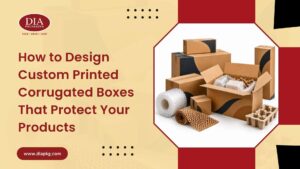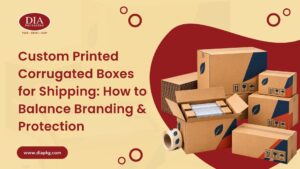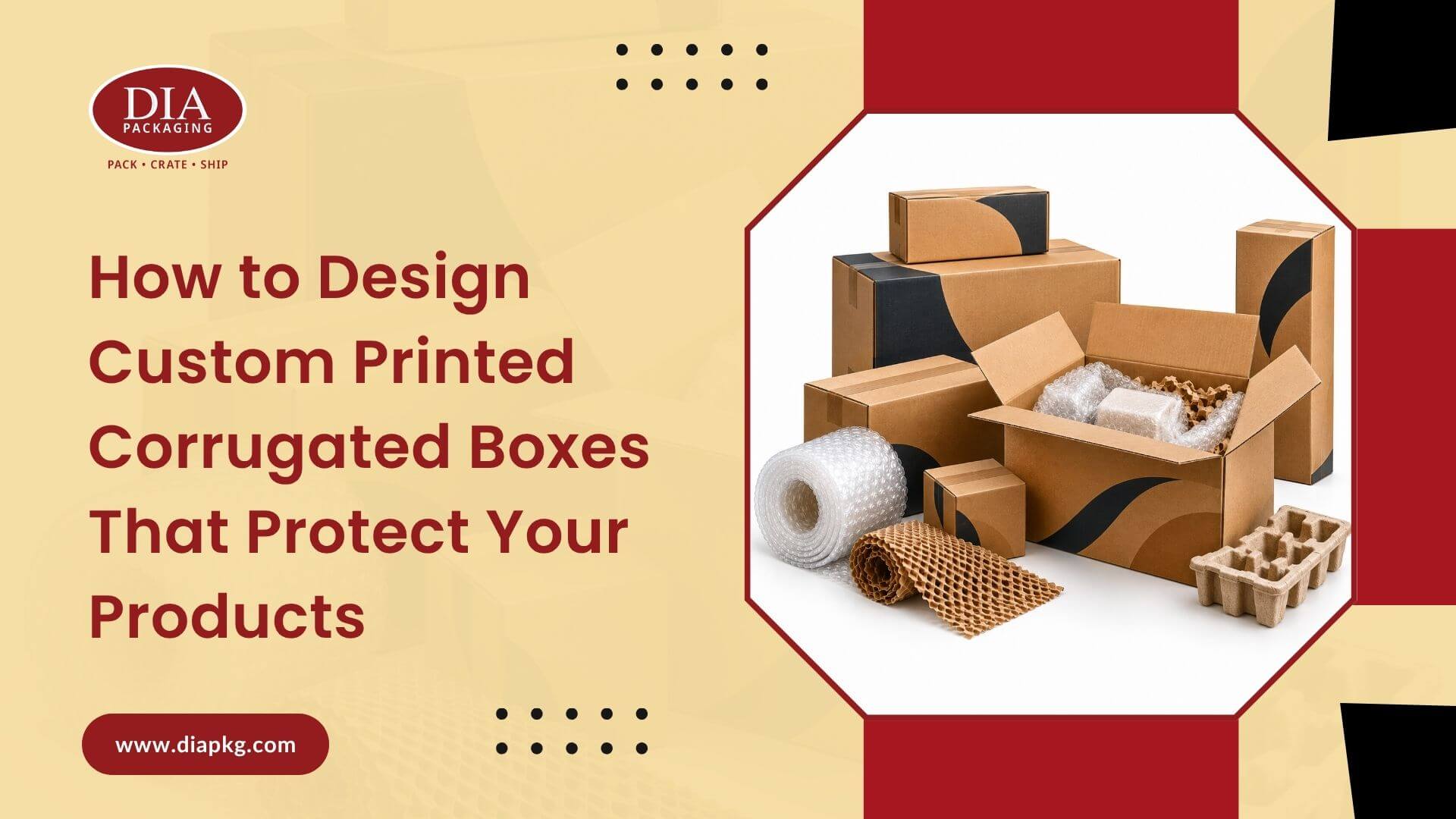
A box does more than hold a product. It also protects the product while it is being stored, moved, and delivered. A well-made box can help prevent scratches, dents, breaks, and other damage.
Custom printed corrugated boxes can do both jobs. They can keep products safe and also show your brand through colors, logos, pictures, and useful information.
But good box design is not only about making the package look nice. The box must have the right size, strength, shape, and printing. If these parts are not planned well, the product may arrive damaged.
Here are some simple steps to help you design custom printed corrugated boxes that protect your products.
1. Start With the Product
The first step is to understand what you are putting inside the box.
Think about the product’s size, weight, shape, and material. Is it small and light? Is it heavy? Does it need extra protection during shipping?
You should also think about how the product will be placed inside the box. A product that moves around during shipping may get damaged even if the box itself is strong.
Measure the length, width, and height of the product. Leave enough room for protective material if you need it, but do not make the box much larger than necessary.
A box that is too large can allow the product to move around. A box that is too small can press against the product and cause damage.
2. Choose the Right Corrugated Material
Corrugated boxes are made from layers of paper. The middle layer has a wavy shape that helps make the box stronger.
Different products need different levels of protection. A lightweight item may need a simple corrugated box. A heavy or fragile product may need a stronger box with thicker paper or more layers.
For example, a box for clothing may not need the same strength as a box for glass bottles.
Ask your box supplier about the right material for your product. The goal is to choose a box that is strong enough without adding unnecessary weight or cost.
3. Get the Box Size Right
Box size is one of the most important parts of packaging design.
A box should fit the product well. It should have enough space for padding, but not so much space that the product can move freely.
If the box is too large, you may need extra filling material. This can increase shipping costs and create more waste.
If the box is too small, the product may be squeezed during packing or shipping.
Before placing a large order, make a sample box and test the fit. Put the product inside and close the box. Shake it gently to see if the product moves too much.
This simple test can help you find problems before you make hundreds or thousands of boxes.
4. Add Protection Inside the Box
The box protects the product from outside pressure, but some products also need protection inside.
You can use paper, cardboard inserts, foam, or other suitable materials to keep the product in place.
For fragile items, inserts can be especially useful. They can create separate spaces for each item and stop products from hitting each other.
For example, if you are shipping several glass jars in one box, an insert can help keep each jar in its own space.
The type of inner protection should match the product. You do not want to use too much material if it is not needed.
5. Think About How the Box Will Be Handled
Your box may pass through many hands before it reaches the customer.
It may be loaded onto a truck, placed in a warehouse, moved between locations, and delivered to a doorstep. During this process, the box may be pushed, stacked, dropped, or pressed against other packages.
This means your design should consider real-world handling.
You can add simple handling instructions when needed. Messages such as “Handle With Care” or “This Side Up” can help workers understand how the package should be handled.
Keep in mind that printed instructions cannot replace a strong box. The packaging itself should still provide good protection.
6. Design the Printing Carefully
Custom printing gives you a chance to make your box easy to recognize.
You can add your company name, logo, product name, colors, website, contact details, or simple instructions.
However, do not cover the box with too much information. A clean design is often easier to read.
Use colors and text that are easy to see. Make sure the logo is placed where it will be visible when the box is stored or displayed.
You should also check that important information is not placed across folds, corners, or areas that may be covered by tape.
Before printing a large order, ask for a sample or digital proof. Check every word, number, color, and image carefully.
7. Keep the Design Strong and Practical
A printed box still needs to work like a box.
Avoid putting important design elements too close to the edges. Remember that the cardboard will be cut, folded, and joined together.
The design should also work well when the box is folded. A logo that looks great on a flat sheet may not look right after the box is assembled.
Your box supplier can help you understand where the folds, cuts, and joining areas will be.
A good design balances appearance with strength and function.
8. Test the Box Before Mass Production
Testing is an important step that should not be skipped.
Make a sample box and put the actual product inside it. Then check how it performs.
Look for loose products, weak corners, poor fitting, or areas where the box bends too easily.
You can also test how the package handles normal movement. For example, check what happens when boxes are stacked or moved from one place to another.
If the product is valuable or fragile, consider professional packaging tests. These can help find problems before the boxes are used for real shipments.
It is usually easier and less costly to fix a sample than to replace a large batch of finished boxes.
9. Consider Storage and Shipping
Think about where your boxes will be stored before they reach customers.
Corrugated boxes should be kept in a dry place. Moisture can weaken paper-based packaging.
Also consider how many boxes will be stacked during storage and shipping. A box that works well on its own may need more strength when several boxes are placed on top of each other.
The shape and size of your box can also affect shipping space. Boxes that stack neatly can make better use of storage and delivery space.
10. Work With a Reliable Box Supplier
A good packaging supplier can help turn your idea into a useful box.
Share the product size, weight, shipping needs, printing requirements, and any special concerns with the supplier.
Ask for a sample before placing a large order. Discuss the type of cardboard, printing method, box style, and protective features.
Do not focus only on the appearance of the finished box. Ask how the box will protect the product during storage and delivery.
Final Thoughts
Designing custom printed corrugated boxes is about more than adding a logo to a cardboard box. The box needs to fit the product, provide enough protection, handle normal shipping, and look clear and attractive.
Start by understanding your product. Choose the right cardboard, get the size right, add protection inside when needed, and create a simple print design.
Most importantly, test the box before ordering a large quantity.
A well-designed corrugated box can help your products reach customers in good condition while giving your brand a clear and professional appearance. When protection and design are planned together, the box becomes a useful part of the product experience, not just something used to carry the product.