Choosing the right shipping box is important for protecting products during storage, handling, and delivery. A box that is too weak can bend, tear, or crush under pressure. A box that is stronger than needed may cost more and use more material than necessary.
One of the most common shipping boxes is the Regular Slotted Container, or RSC box. RSC boxes are simple, useful, and available in many sizes and strengths. But not every RSC box is right for every product.
This guide explains RSC box strength in simple terms and shows how to choose the right corrugated box for shipping.
What Is an RSC Box?
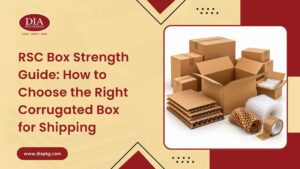
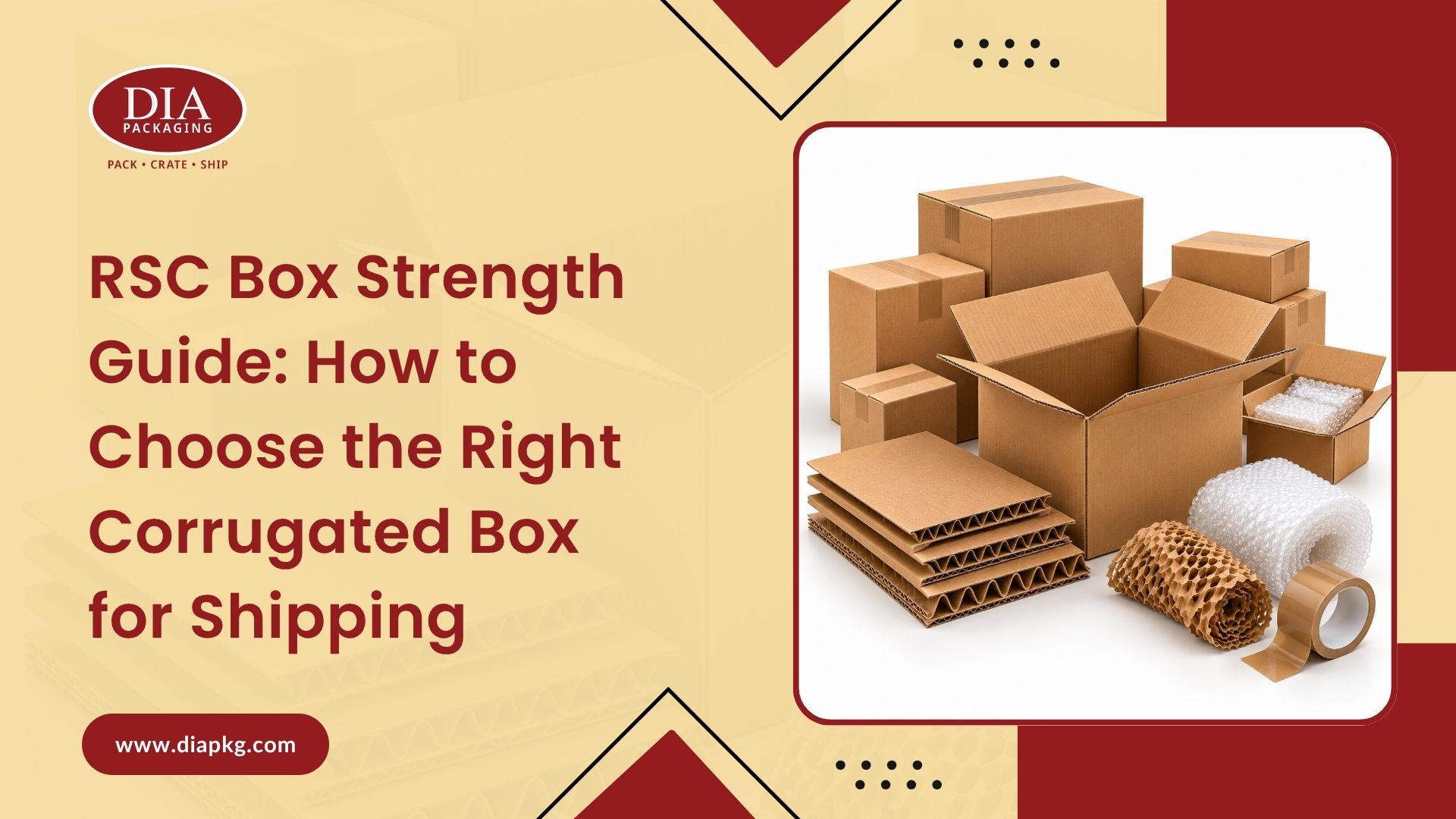
An RSC box is a corrugated shipping box with four top flaps and four bottom flaps. The flaps meet near the center when the box is closed.
RSC boxes are widely used because they are easy to make, store, tape, and ship. They can be used for products ranging from small parts to large industrial items.
The strength of an RSC box depends on several factors, including the type of corrugated board, paper weight, box size, and how the box will be used.
What Makes a Corrugated Box Strong?
Corrugated boxes are made from layers of paper. The middle layer has a wavy shape called a flute. This layer sits between flat sheets called liners.
The flute helps give the box strength and protects the product from bumps and pressure.
There are several common flute sizes:
- E flute: Thin and useful for smaller products and printed boxes
- B flute: Good for general shipping and retail packaging
- C flute: Common for shipping and provides good cushioning
- BC or double wall: Two layers of fluting for heavier products
The right choice depends on the weight, size, and protection needs of the product.
3 Ply vs. 5 Ply Corrugated Boxes
The number of paper layers also affects box strength.
A 3 ply corrugated box usually has two flat liners with one fluted layer between them. It is often used for light and medium weight products.
A 5 ply corrugated box has three liners and two fluted layers. It offers more strength and support than a standard 3 ply box.
For example, a 3 ply box may work well for clothing, packaged food, or small household items. A 5 ply box may be better for machinery parts, tools, or other heavier products.
However, ply count alone does not tell you how strong a box is. The type and weight of the paper also matter. detailed guide for 3ply vs 5 ply boxes
Understanding Box Strength Ratings
What Is ECT?
ECT stands for Edge Crush Test. It measures how much pressure a corrugated board can take when it is pressed on its edge.
In simple terms, ECT helps show how well a box may handle stacking.
A box with a higher ECT rating can generally support more weight when boxes are stacked. This can be useful when products are stored in warehouses or shipped on pallets.
What Is Bursting Strength?
The Bursting Test, sometimes called the burst test, measures how much force is needed to break through the corrugated board.
This test focuses more on the strength of the paper itself and its ability to resist punctures and rough handling.
ECT and bursting strength measure different things. One should not automatically be treated as better than the other. Your box supplier can help determine which rating fits your shipping needs.
How Box Size Affects Strength
Box size is another important factor.
A large box is not automatically stronger just because it uses thick corrugated board. Large boxes have more open space and larger panels. These panels can bend more easily under pressure.
If a product is placed in a box that is much larger than needed, empty space can also allow the product to move during shipping.
Try to choose a box that gives the product enough room for protective material without leaving too much unused space.
A well-sized box can help reduce product movement, material use, and shipping problems.
Consider the Weight of Your Product
Product weight is one of the first things to consider when choosing an RSC box.
Light products usually do not need heavy-duty corrugated board. Medium and heavy products need stronger boxes that can support their weight during handling and stacking.
For example:
- Clothing and soft goods may need a lighter box.
- Books and small equipment may need medium-strength board.
- Metal parts and tools may need stronger corrugated board.
- Heavy machinery parts may require heavy-duty or double-wall boxes.
Do not choose a box based only on the product’s weight. Consider how the box will be handled and transported as well.
Think About Shipping Conditions
A box may face many types of handling before it reaches the customer. It may be moved by hand, placed on a pallet, loaded into a truck, or stored in a warehouse.
Ask these questions before choosing your box:
Will the box be stacked?
If yes, choose a box with enough stacking strength for the expected load.
Is the box travel long distances?
Long shipping routes may involve more handling and movement.
Will the box be exposed to moisture?
Humidity can reduce the strength of paper-based packaging. If moisture is a concern, ask your packaging supplier about suitable board and protective options.
The box contain sharp or heavy products?
Products with sharp edges may need stronger board or extra protective material.
Understanding the shipping environment helps you choose a box that fits the actual job.
Do Not Leave Too Much Empty Space
Empty space inside a shipping box can create problems. If the product can move freely, it may hit the sides of the box during transportation.
Use suitable cushioning or protective packaging when needed. This can include paper, bubble cushioning, foam, or other materials.
At the same time, avoid filling a box with too much material. The goal is to keep the product secure without making the package unnecessarily large or heavy.
Check the Box Flaps and Seams
The box itself is only one part of the packaging system. The way it is closed also affects its performance.
RSC boxes are commonly sealed with packaging tape, staples, or other approved methods. The correct sealing method depends on the box size, product weight, and shipping conditions.
For heavier products, the bottom of the box deserves special attention. A weak seal can cause the bottom to open even when the corrugated board itself is strong.
Test Before Ordering in Bulk
If you are changing box sizes or materials, test the box before placing a large order.
Put the actual product inside the box. Add the protective materials you normally use and close the box as it would be shipped.
Then consider how the package performs during:
- Stacking
- Handling
- Transport
- Storage
- Loading and unloading
Testing can help identify problems before they affect a large shipment.
For businesses that ship products often, working with a corrugated box manufacturer can also make it easier to adjust box size, board strength, and construction based on actual shipping needs.
How to Choose the Right RSC Box
A simple way to choose the right RSC box is to look at five main factors:
1. Product weight
Know the total weight of the product and packaging.
2. Product size
Choose a box that fits the product without excessive empty space.
3. Shipping method
Consider how the package will be moved and delivered.
4. Stacking needs
If boxes will be stacked, pay close attention to box strength and ECT rating.
5. Product protection
Consider whether the product needs cushioning, moisture protection, or extra support.
These factors can help you avoid choosing a box that is either too weak or unnecessarily heavy.
Why Custom RSC Boxes Can Help
Standard box sizes are useful for many shipping needs, but they may not fit every product.
Custom RSC boxes can be made to match your product dimensions. This can help reduce empty space and make it easier to add the right amount of protective material.
A corrugated box manufacturer can also help you select the right board strength, flute type, and box size for your application.
For businesses shipping products in different sizes or weights, custom boxes can provide a more suitable packaging option than using one standard box for everything.
Final Thoughts
Choosing the right RSC box is about more than picking a box that fits the product. You also need to consider product weight, box size, corrugated board strength, stacking, shipping conditions, and protection needs.
A lightweight product may work well in a standard 3 ply box, while a heavier product may need a stronger 5 ply or double-wall box. ECT and bursting strength can also help you compare different corrugated boards.
The best approach is to match the box to the real shipping conditions. When in doubt, test the box with the actual product and ask a corrugated box manufacturer for guidance.
The right RSC box can help protect products, reduce shipping problems, and give your customers a better delivery experience.