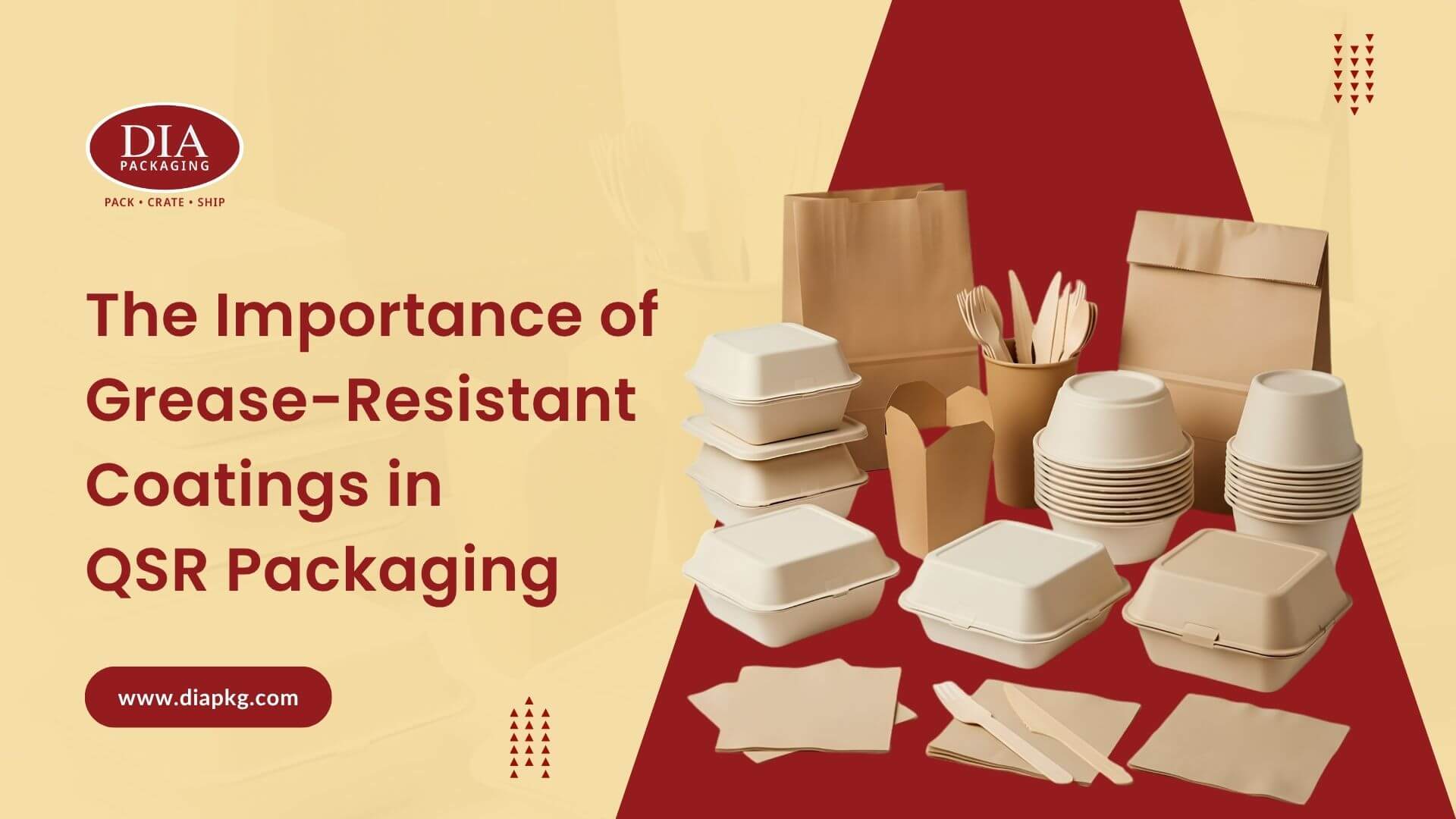
Quick Service Restaurants, often known as QSRs, serve millions of customers every day. From burgers and fries to fried chicken and wraps, these meals are designed to be prepared quickly and enjoyed on the go. While food quality is the main focus, packaging also plays a major role in the customer experience.
One of the biggest challenges in food packaging is handling grease and oil. Many popular fast food items contain fats that can seep through ordinary paper packaging. This can lead to messy hands, stained clothing, weakened packaging, and a poor impression of the brand. To solve this problem, manufacturers use grease-resistant coatings on food packaging materials.
Grease-resistant coatings may seem like a small detail, but they are essential for maintaining food quality, customer satisfaction, and packaging performance. As the demand for convenient food continues to grow, these coatings have become an important part of modern QSR packaging.
What Are Grease-Resistant Coatings?
Grease-resistant coatings are special layers applied to paper or paperboard packaging to prevent oils and fats from soaking through the material. These coatings create a protective barrier between the food and the packaging surface.
Without this barrier, grease can quickly penetrate paper packaging. This not only makes the package look unattractive but can also weaken its structure. A grease-resistant coating helps keep the packaging clean, durable, and functional throughout the food consumption process.
These coatings are commonly used on burger wrappers, sandwich wraps, fry cartons, bakery bags, pizza boxes, food trays, and takeaway containers.
Why Grease Resistance Matters in QSR Packaging
Fast food products are often rich in oils and fats. Customers expect packaging to hold their food securely without leaking or falling apart. Grease resistance helps meet these expectations.
When grease seeps through packaging, several problems can occur:
- Packaging becomes soft and weak.
- Customers may get grease on their hands.
- Food presentation suffers.
- Delivery bags can become stained.
- The brand may appear careless or low quality.
A grease-resistant barrier prevents these issues and helps maintain a positive customer experience.
Protecting Food Quality
Packaging does more than carry food. It also helps preserve the quality of the meal until it reaches the customer.
When grease migrates through packaging materials, it can affect the texture and appearance of the food. In some cases, excess oil absorption by the packaging may even reduce the freshness of the product.
Grease-resistant coatings help maintain the intended texture and presentation of food. A burger wrapper that remains intact and clean allows the customer to enjoy the meal as intended. The food looks more appealing, and the overall eating experience improves.
This is especially important for delivery and takeaway orders, where food may remain inside the packaging for an extended period before being consumed.
Improving Customer Satisfaction
Customer satisfaction is influenced by many small details. Packaging performance is one of them.
Imagine receiving a bag of fries in a container that has become soggy from oil. The packaging may feel unpleasant to hold and may even leak onto other items. This creates frustration and can affect the customer’s perception of the restaurant.
Grease-resistant coatings help create a cleaner and more convenient dining experience. Customers can handle their food with greater confidence, whether they are eating in a restaurant, in a car, or at home.
Clean packaging also reflects professionalism and attention to detail. These factors contribute to positive brand perception and customer loyalty.
Supporting Food Delivery Services
Food delivery has become a major part of the restaurant industry. Customers expect their meals to arrive in good condition, regardless of travel time.
Delivery creates additional challenges for packaging. Food remains enclosed for longer periods, and oils can continue to migrate during transport. If packaging lacks proper grease resistance, leaks and stains become more likely.
Grease-resistant coatings help maintain package integrity throughout the delivery journey. They reduce the risk of oil reaching delivery bags or other food items and help ensure that customers receive their meals in a presentable condition.
As delivery services continue to grow, effective grease protection becomes even more important.
Enhancing Packaging Strength
Paper-based packaging is widely used in QSR operations because it is lightweight, practical, and often more environmentally friendly than some alternatives.
However, paper can lose strength when exposed to grease and moisture. Oil penetration can weaken fibers and reduce the structural stability of the package.
Grease-resistant coatings provide an extra layer of protection that helps preserve the strength of the packaging. Containers remain sturdier, wrappers stay intact, and food trays maintain their shape during use.
This added durability reduces the likelihood of packaging failures and helps restaurants avoid customer complaints.
Supporting Brand Image
Packaging is often the first physical interaction customers have with a restaurant’s brand. Clean, attractive packaging creates a positive impression and reinforces trust.
Grease stains can make even high quality food appear less appealing. Customers may associate greasy packaging with poor hygiene or low standards, even if the food itself is excellent.
Grease-resistant coatings help maintain a neat and professional appearance. Logos, printed designs, and branding elements remain visible and attractive because grease does not soak through the material.
This allows restaurants to present a consistent and polished image to customers.
Meeting Sustainability Goals
Many QSR brands are working to reduce their environmental impact by adopting paper-based and recyclable packaging solutions.
Modern grease-resistant coatings are evolving to support these sustainability efforts. Packaging manufacturers are developing alternatives that provide grease protection while remaining compatible with recycling and composting requirements.
This shift allows restaurants to balance performance with environmental responsibility. Instead of relying solely on plastic barriers, businesses can explore coating technologies that align with their sustainability objectives.
As environmental awareness increases, the demand for effective and eco-conscious packaging solutions is expected to continue growing.
Food Safety Considerations
Food packaging materials must meet strict safety requirements. Grease-resistant coatings used in food contact applications are designed to comply with relevant regulations and standards.
These coatings help create a protective barrier that supports food handling and storage requirements. By preventing excessive grease migration, they contribute to a more controlled packaging environment.
Restaurants and packaging suppliers work closely to ensure that materials used in food packaging meet applicable safety guidelines and performance expectations.
Innovation in Grease-Resistant Technology
Packaging technology continues to evolve as restaurants seek better performance and sustainability.
Researchers and manufacturers are investing in new coating solutions that offer stronger grease resistance, improved recyclability, and reduced environmental impact. Water-based coatings and other advanced materials are becoming increasingly popular.
These innovations help address changing consumer expectations while supporting the operational needs of QSR businesses.
As food delivery, takeaway services, and convenience dining continue to expand, packaging technologies will likely play an even greater role in shaping customer experiences.
Conclusion
Grease-resistant coatings play an important role in QSR packaging. They stop oil and grease from soaking through packaging materials. This helps keep food fresh, packaging strong, and customers satisfied.
These coatings are used in burger wrappers, fry cartons, takeaway boxes, and delivery packaging. They improve packaging performance while helping brands maintain a clean and professional appearance. They can also support sustainability efforts when used with eco-friendly materials.
Most customers never think about grease-resistant coatings. However, they notice the results. Clean packaging, fewer leaks, and a better eating experience all depend on this simple but essential packaging feature.